Directed by Martin Berger.
In post-World War I Winnipeg, a Ukrainian immigrant and a Jewish woman get caught up in a labour strike.
The struggle of a small group of blacksmiths trapped between keeping a long going strike with claims for better fees and the necessity of getting back to work when there's no money left for basic necessities.
Ichiro’s family used to be a large landowner, but now he is living in poverty with his mother. His mother works hard to get her son through school. Under such circumstances, Ichiro meets Wakako, the daughter of a wealthy man, and they fall in love with each other, but they are opposed by those around them because of their different social status.
The workers in a small plough factory take over the firm, but when a large order falls through, the old management come back to help out.
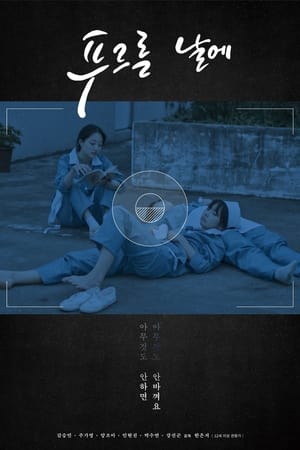
Sulan, who works in a factory in the summer of 1978, begins learning photos with other female workers from Seok-yoon, the owner of the photo studio across from the factory. Seok-yoon, who had been closed, began to open his heart to female workers, but began to feel uneasy about the female workers' labor movement.
La Califfa's husband was killed during the strikes so she takes the side of the strikers. Her conflict with the plant owner Doverdo gradually turns into a love relationship.
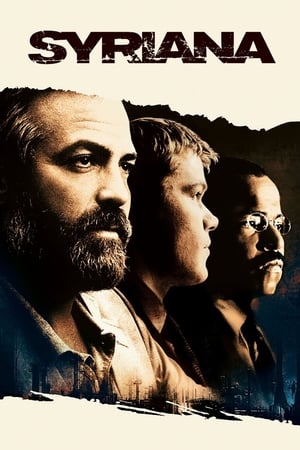
The Middle Eastern oil industry is the backdrop of this tense drama, which weaves together numerous story lines. Bennett Holiday is an American lawyer in charge of facilitating a dubious merger of oil companies, while Bryan Woodman, a Switzerland-based energy analyst, experiences both personal tragedy and opportunity during a visit with Arabian royalty. Meanwhile, veteran CIA agent Bob Barnes uncovers an assassination plot with unsettling origins.
Dramatization of the true story of the so-called Willmar Eight, a group of Minnesota bank workers who braved freezing conditions whilst picketing their branch in a struggle for union rights.
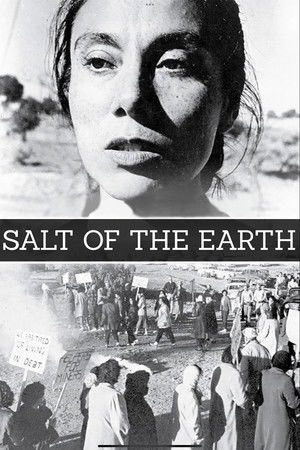
At New Mexico's Empire Zinc mine, Mexican-American workers protest the unsafe work conditions and unequal wages compared to their Anglo counterparts. Ramon Quintero helps organize the strike, but he is shown to be a hypocrite by treating his pregnant wife, Esperanza, with a similar unfairness. When an injunction stops the men from protesting, however, the gender roles are reversed, and women find themselves on the picket lines while the men stay at home.
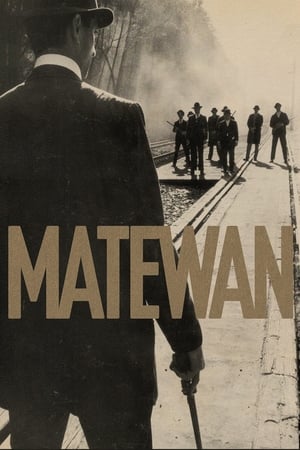
Filmed in the coal country of West Virginia, "Matewan" celebrates labor organizing in the context of a 1920s work stoppage. Union organizer, Joe Kenehan, a scab named "Few Clothes" Johnson and a sympathetic mayor and police chief heroically fight the power represented by a coal company and Matewan's vested interests so that justice and workers' rights need not take a back seat to squalid working conditions, exploitation and the bottom line.
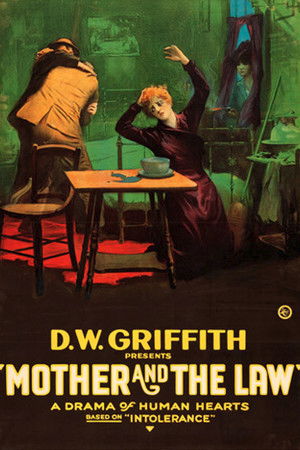
After the relatively low box office takings of 'Intolerance', D. W. Griffith would revisit his epic film three years later by releasing two of the film's interlocking stories as standalone features, with some new additional footage. The second of these was 'The Mother and the Law', which demonstrates how crime, moral puritanism, and conflicts between ruthless capitalists and striking workers help ruin the lives of marginal Americans.
In near-future New York, ten years after the “social-democratic war of liberation,” diverse groups of women organize a feminist uprising as equality remains unfulfilled.
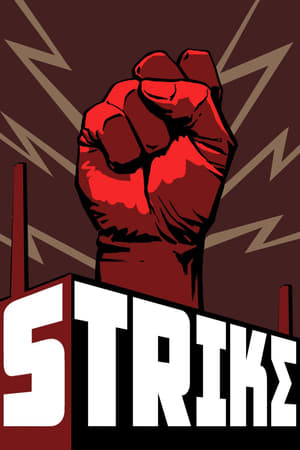
Workers in a factory in pre-revolutionary Russia go on strike and are met by violent suppression.
In the late 19th century, a former high school teacher turned unionist tries to organize workers laboring with inhuman conditions at a textile factory in Turin, Italy.
This "Play on One" story depicts Jack and his farming family in West Wales. They have built up their dairy herd with vast loans and are then told they must cut back on milk production and slaughter some of the herd. The community launches a campaign against the quotas, but Jack takes the law into his own hands.
Anna and Joe are newly married, playful and deeply in love. Joe is scraping by as cab driver in New York City during a period of corruption, mob control and violence between cab companies.
In 1910, women working in the silk industry in Bursa, protest against the working conditions. They go on strike.
In response to a sudden dismissal of staff, workers at a big retail store begin a protest against their employer's oppressive labor policies.
Megan Carter is a reporter duped into running an untrue story on Michael Gallagher, a suspected racketeer. He has an alibi for the time his crime was allegedly committed—but it involves an innocent party. When he tells Carter the truth and the newspaper runs it, tragedy follows, forcing Carter to face up to the responsibilities of her job when she is confronted by Gallagher.