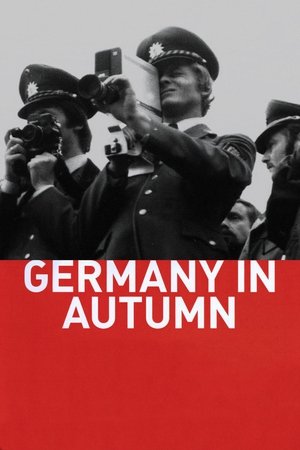
Nine fictitious documentaries and films reflect the mood of late 1970s Germany, particularly the two-month period in 1977 when a businessman was kidnapped by the RAF (Red Army Faction). The kidnap had been made to orchestrate the release of the original leaders of the RAF, aka the Baader-Meinhof.
May 27th, 1971 was a rainy day. In the small town Radevormwald, the world seems to be still in order. But on this day, 46 people die in a train crash, amongst them 41 schoolchildren. Since then, Radevormwald has been connected with one of the worst railway catastrophes of Germany. The touching documentary reconstructs the tragedy and shows how much the event still influences the life in the town until today.
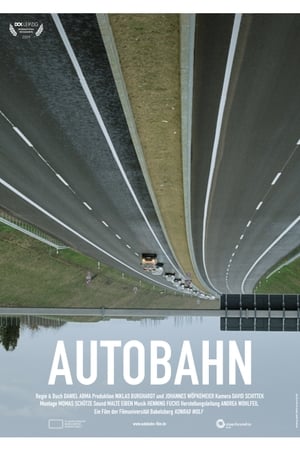
Traffic on the B61 road, which connects Rotterdam to Warsaw and cuts through the German spa town of Bad Oeynhausen, is permanently gridlocked. The promised cure is a bypass whose construction is documented for a period of eight years: the efforts of the mayor, police, fire brigade and construction companies, the delays in the construction of the northern bypass and above all the reactions of the affected residents.
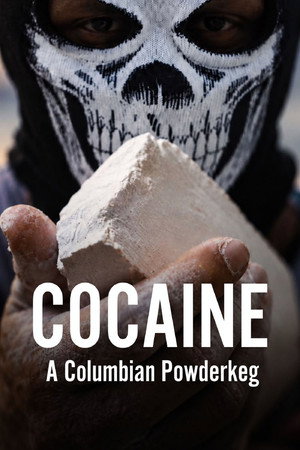
Operación Siglo XX
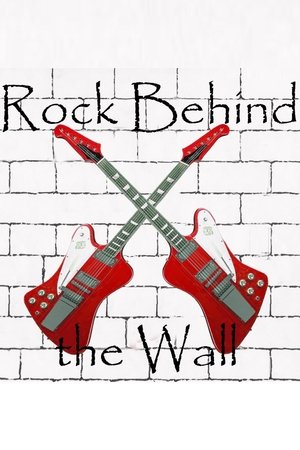
Berlin, summer 1988: While Michael Jackson and Pink Floyd perform in the West, East Berliners can look forward to Bruce Springsteen, Depeche Mode and James Brown. The documentary reveals how the organizers enforced the concerts with the state authorities. On the anniversary of the fall of the Wall.
Filmed in a village of the indigenous Mandaya people, located in a mountainous area of southeastern Mindanao, the country's second largest island, the documentary portrays the struggle of the Communist Party of the Philippines and its armed wing, the New People's Army, for the rights of indigenous Filipino peoples and the environment, which are constantly under threat from landowners, large logging companies and agribusiness.
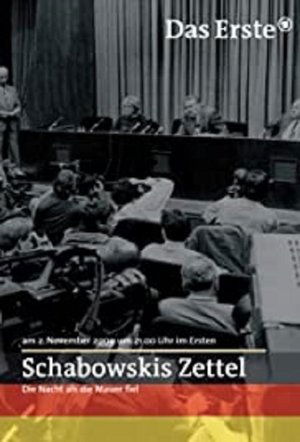
Schabowskis Zettel - Die Nacht, als die Mauer fiel
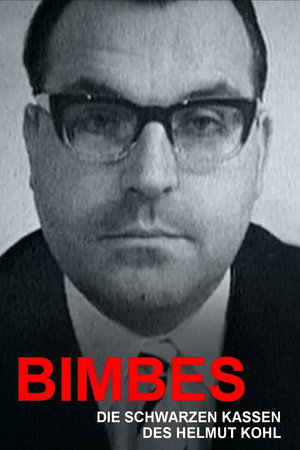
During the donations scandal of 1999/2000, Helmut Kohl gave his legendary "word of honor" not to name any donors. This documentary explores the question of what this word of honor was really all about
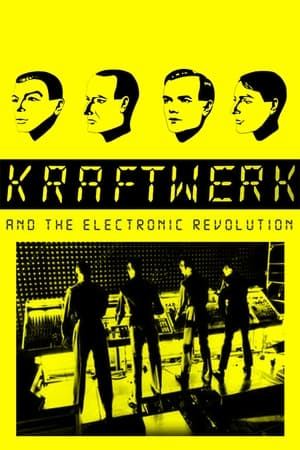
Kraftwerk's vision of a keyboard-driven world of clicking metronomic rhythms and digitised sound bites may have been the stuff of avant fantasy in the 1970s (the decade that saw the band's first groundbreaking albums), but it is a reality in the new millennium. Their visionary style is explored in KRAFTWERK AND THE ELECTRONIC REVOLUTION, a study of the group, their career and their emergence as the most influential electronic band in the world.
Ruud Gullit, Marco van Basten, The brothers Koeman… These were some of the superstars from Holland whose blazing talents made the European Championship of 1988 so memorable and one to log indelibly in the whole recent legend of outstanding international football. Eight teams qualified for the tournament finals, including England who scored more goals than any other side, 18, to reach the final stages – and the Cinderella side from the Republic of Ireland, managed by Jack Charlton. But most of all Euro ’88 had a winning side who swept all before them in a colourful and passionate series of displays that will be viewed again and again by anyone fascinated and intrigued by the way the world’s most popular game is so sumptuously developing as it enters its second organised century. It is a must for fans and serious students alike.
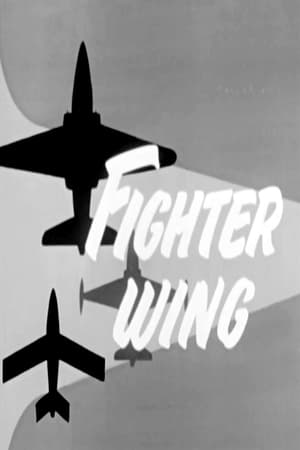
Fred Davis introduces us to Canadian Air Force operations in Zweibrucken, West Germany. Follow Green Section as they perform drills and explain what it takes to be a fighter pilot.
On November 25, 1973, the first of four car-free Sundays transformed West Germany's deserted highways into spaces for walking, cycling, and horse-drawn carriages, while towns and cities took on a festive atmosphere. Introduced during the oil crisis to conserve fuel after the Arab oil embargo and production cuts following the Yom Kippur War, the measure became an unforgettable collective experience. Beyond the immediate energy shortage, the crisis marked a turning point, ending the postwar economic boom and encouraging greater awareness of energy use, consumerism, and environmental issues.
A film about and with Max Ernst.
Marcel Ophüls interviews various important Eastern European figures for their thoughts on the reunification of Germany and the fall of Communism.
A BAFTA award nominated documentary intended for secondary schools exploring the three distinct geographical regions of Germany from a British perspective.
This James A. FitzPatrick Traveltalks short visits the West German cities of Hamburg, Bremen, Munich, and Heidelberg. Included are scenes of World War II destruction that lingered at the time.
The 1974 finals in West Germany saw the emergence of "Total Football" in the shape of the classy Dutch led by the legendary Johan Cruyff. The Dutch swept all before them until they came up against the solid hosts in the final. Beckenbauer led West Germany to a tense 2-1 victory.
In buildings where foreign workers lived in Germany, there were strict rules of conduct, defined by the house rules and supervised by the building superintendents. Many rights regarding the freedom of movement, communication and behavior were abused. Interviews with the tenants and with the "orderlies" which point out absurd situations and clashes caused by these restrictions.
The film was shot in an old, decrepit building where dozens of guest-workers' families live. The owner, a local influential politician, has avoided paying for the maintenance of the building under the legal standards by using his connections to proclaim the building a national cultural heritage. However, the rent he has been charging was as if the building were an object that offered standard comfort. The only German tenant takes the crew around and speaks of his battle against the landlord’s manipulation.
In August 1988, two armed bank robbers keep German police at bay for 54 hours during a hostage-taking drama that ends in a shootout and three deaths.