It’s Christmas in Alaska, but a sparsely populated state means a scarce amount of priests. From Christmas eve to Christmas day, two Dominicans traverse icy roads and harsh winds to celebrate Christmas mass for 3 remote communities in the last frontier.
Alaska may be best known as the land of moose, bears and intense winters, but few know about the hidden jewel that is the Alaska Baseball League. For the first time on film, Touching The Game Alaska takes a captivating inside look at this fascinating institution and its incredible history as a proving-ground for more than 500 Major Leaguers and Hall of Famers like Tom Seaver and Dave Winfield, many of whom appear in the film. This feature length documentary is highlighted by superb baseball, stunning imagery and humorous anecdotes, from planes crashing on fields during games to bear encounters to salmon fishing misadventures to the more than century old tradition of the Midnight Sun Game. Four years in the making, the film not only showcases baseball played in a place where the summer sun never sets, but also gives insight into the colorful, rugged and fiercely independent people of this frontier land.
The sequel of feature-publicistic film «You Can’t Live Like That». Showing the countrymen charmless and sometimes scaring life picture of once great power with pain and anger, the author tries to uncover the reason of the country’s and nation’s tragedy.
The Tlingit and Haida people of Alaska were confused by the idea of America “buying” the land they lived on from the Russians. They would be among the first native people to make a successful claim on their homeland and rights.
The "Alaska at War" film project was an effort to document events of World War II in Alaska. It was funded by the Alaska Legislature through the Alaska Historical Commission and was supported by the Alaska Historical Society and private subscription. The production work was performed by aurora Films, assisted by a citizen's advisory committee. The production "Alaska at War" was first shown in public on Alaska Day, October 18th 1986.
'Alaska Far Away' tells the story of the Matanuska Colonization Project of 1935, a creative and controversial New Deal program that relocated 202 families devastated by the Great Depression, taking them from the upper Midwest to the Matanuska Valley in Alaska to start an experimental farming colony. It generated a whirlwind of publicity and controversy at the time, not only as a federally-funded social experiment, but also as one of the last pioneer movements in America. The Matanuska Colony isn't just a fascinating footnote to the history of Alaska. It encompasses the despair of the Depression, the creative energy of the New Deal, the adventure of pioneering in Alaska, and the best and worst of our government and ordinary citizens in facing those extraordinary challenges.
The wildlife of the tundra on Alaska's north coast is particularly threatened by climate change.
This film shows the splendor, enormous scope and indescribable beauty of this untouched land far to the north of Alaska, one of the last havens for caribou herds and polar bears. Shot over a period of four years, this film offers a unique insight in the lives of the most charismatic arctic animals.
Deep inside the arctic, scientists are experimenting with extreme palaeontology methods to unlock the secrets of polar dinosaurs, and perhaps the key to our own survival on Earth. On Alaska's north slope there are dinosaur bones, lots of them. But they're trapped in an icy tomb - an impenetrable wall of permafrost. Dinosaurs on Ice follows the journey of two scientists, Dr Tom Rich and Dr Tony Fiorillo, who undertake separate expeditions to the Colville River in Alaska's far north to uncover the dinosaurs' bones and break the ice on a prehistoric world that until now has been unreachable. But the task is not easy. The weather is extreme, the location remote.
The documentary follows a crew of snowboarders for six weeks in the Chugach mountains, and showcases what it takes to ride these unique Alaskan mountains: the waiting, the stress, the dangers, everything that goes into it and is usually never shown. It also retraces some of the history of this unknown discipline and pays tribute to the pioneers. But the film really focuses on the human aspect and why these people do what they do.
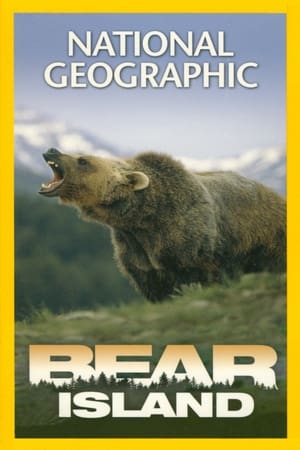
The majestic Alaskan brown bear is the largest predator in southeastern Alaska, but everywhere, its ancient haunts are under siege. As the modern world closes in, the great bear’s world is shrinking and encounters between humans and bears are on the rise. Join researcher LaVern Beier as he uses cutting edge technology to protect this extraordinary species. To observe them on their turf, without risking life and limb, LaVern attempts to deploy National Geographic’s CRITTERCAM. Until now, CRITTERCAM has been used almost exclusively on marine animals. Vern and his colleagues are on the cusp of a revolution in terrestrial field science…the opportunity to vicariously walk with bears into the deepest corners of their habitats, where even great hunters barely dare venture.
A mini documentary following a group of motorcycle adventurers on a four-day journey across south-central Alaska.
Alex Gray, Josh Mulcoy, and Pete Devries went on a journey through the remote Aleutian Arc of Alaska, the birthplace of storm systems that send swell back to the rest of us in civilization. They braved heavy weather, flew on rickety prop planes, and ate seal meat en route to discovering one of the best cold-water slabs in the world. The film follows the cold-water crew as they traverse the island on quad bikes, tracking pulses of swell to remote bays and never before surfed points. Set against the stunning volcanic backdrop of the Aleutian Islands, The Cradle of Storms is cold-water surf exploration at its finest.
A man shows the gentle and agressive side of Brown and Black Bears living with and around them. After "Grizzly Man" died in Alaska trying to do the same thing, it's truly amazing to watch this documentary.
In the bitter winter of 1978, four desperate council members from a small Virginia town hatched a daring Bigfoot hoax to save it from the brink of bankruptcy. But as the money grew, so did the greed-triggering the town's first unsolved murder.
Children of the Arctic is a portrait of five Native Alaskan teenagers growing up in Barrow - the northernmost community in the United States. As their climate and culture undergo profound changes, they strive to balance being modern American kids and the inheritors of an endangered way of life.
You must once in a while uproot yourself from the daily routine to better see what doesn’t serve you anymore - not to run away from but to get closer to yourself.
Captain Kleinschmidt leads an expedition sponsored by the Carnegie Museum to the arctic regions of Alaska and Siberia to study the natives and the animal life.
Freeride, Freestyle and Alpine racing united! Legs of Steel presents the multi-discipline ski film 'Same Difference’. True to the credo –‘a film about skiers’, this documentary will provides a one-of-a-kind view into skiing’s diversity. Follow Alpine race legend Felix Neureuther through a testing competitive season full of ultimate highs and lows. Take a ride with Fabian Lentsch, Bene Mayr & Sven Kueenle as they venture to the nerve centre of freeride skiing in Alaska, and watch on with anticipation as Freestyler Paddy Graham and his gang attempt to redefine gravity with the biggest jump ever attempted. The start gates and slopes are different and the rewards may seem wildly contrasting, but it’s all just skiing in the end.
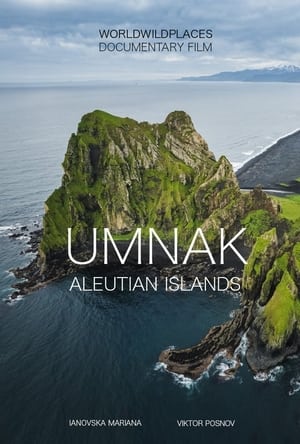
Explorers and amateur directors Mariana Ianovska and Viktor Posnov embark on a 40 day long trip across Umnak Island.