Outrage kiss-in at Bow Street police station in London, with a demonstration against homophobic government bills clause 25/28.
The tenth edition of Polish Pride parades a colorful trail of rainbow flags through the streets of Warsaw. Along the route, Antek and his friends line up to warn of the “pink threat” in prayer and edifying hymns. As traditional Catholics, he and his Brotherhood hold deeply conservative views: sex before marriage is out of the question, homosexuality can be cured, abortion is a great evil and Poland is for the Poles. His sister thinks his homophobic ranting is pointless, because in a few years the planet will be destroyed anyway as nobody is doing anything about climate change.
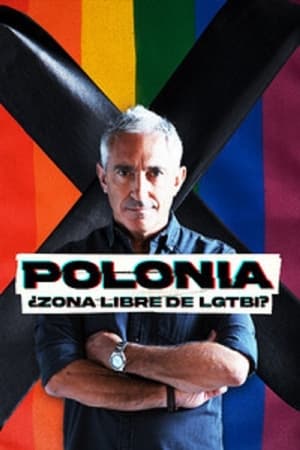
Jon Sistiaga takes an immersive trip to Poland, a country divided into two zones: on the one hand, the urban and pro-European, and on the other, the rural and ultra-Catholic, still anchored in the traumas of the war and the post-war period. Is Poland a homophobic country or does it have a homophobic government? How does the European Union allow this situation?
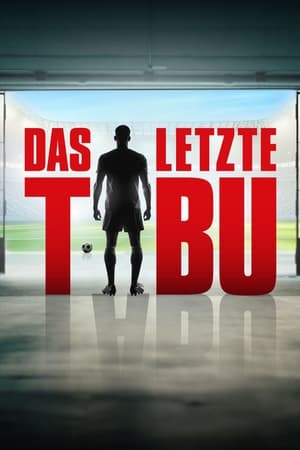
Hard to imagine, but true: According to current estimates, out of 500,000 active male football professionals worldwide, under ten (10) are openly homosexual. While homosexuality hardly plays a role in other areas of life today, the topic seems to be completely taboo in professional football. The feature-length documentary THE LAST TABOO lets those who broke exactly this taboo tell their very personal stories alongside Thomas Hitzlsperger. Like the British professional footballer Justin Fashanu (*1961 in London; † 1998 in London), who broke this taboo for the first time in 1990 and paid for it with his life. His niece Amal tells his story. Marcus Urban, on the other hand, was about to make the jump to the Bundesliga as a teenager and, by deciding to come out, he also went against his big dream. The stories of the US professional Collin Martin and the British player-coach Matt Morton, on the other hand, suggest that normality is not far away.
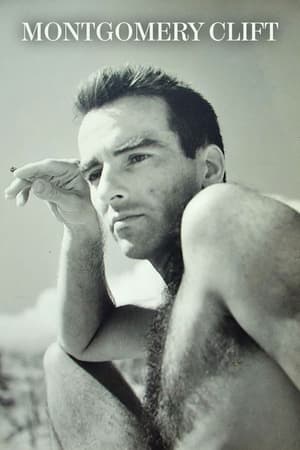
A documentary incorporating footage of Montgomery Clift’s most memorable films; interviews with family and friends, and rare archival material stretching back to his childhood. What develops is the story of an intense young boy who yearned for stardom, achieved notable success in such classic films as From Here to Eternity and I Confess, only to be ruined by alcohol addiction and his inability to face his own fears and homosexual desires. Montgomery Clift, as this film portrays him, may not have been a happy man but he never compromised his acting talents for Hollywood.
Documentary on the growth of Toronto's gay community including positive developments as well as the infamous "Operation Soap" where the Toronto Police raided gay bath houses, and the subsequent protests.
In 2019, some still consider homosexuality as a disease that needs to be cured. Focusing on movements with roots in the United States, which draw on both religion and psychiatry to justify so-called conversion therapies, an investigation into the devastating consequences of certain practices that seem to successfully avoid any control by European public authorities.
A short documentary exploring the ways LGBT couples show affection, and how small interactions like holding hands in public can carry, not only huge personal significance, but also the power to create social change.
Homosexuality has been condemned for centuries. But why? What do some people find offensive about the homosexual behavior? Meet a man who was convicted for the murder of an homosexual, along with the president of 'Jurists for life', the spokesperson of 'la Manif pour Tous' as well as the national representative of 'Standing Sentinels' and the spokesperson of 'Forza Nuova'.
Ricardo was once Sara, a homeless HIV positive transvestite, living in the underbelly of Manhattan. Today he is a churchgoing, married man, "saved" by a Dallas ministry. He has renounced his homosexuality, but is his conversion complete? Susana Aiken and Carlos Aparicio offer an intimate look at Ricardo's transformation.
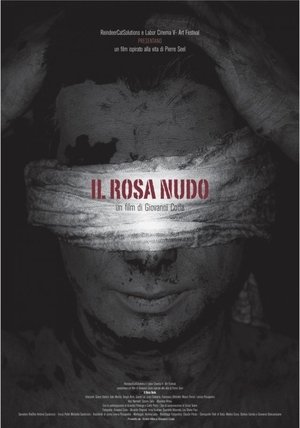
Among the millions of victims of the Nazi madness during the Second World War, Pierre Seel was charged with homosexuality and imprisoned in the Schirmeck concentration camp. He survived this terrifying experience of torture and humiliation, and after the war he married, had three children, and tried to live a normal life. In 1982, however, he came to terms with his past and his true nature and decided to publicly reveal what he and thousands of other homosexuals branded with the Pink Triangle had undergone during the Nazi regime. Il Rosa Nudo (Naked Rose), inspired by the true story of Pierre Seel, depicts in a theatrical and evocative way the Homocaust, focusing on the scientific theories of SS Physician Carl Peter Værnet for the treatment of homosexuality, which paved the way for the Nazi persecution of gay men.
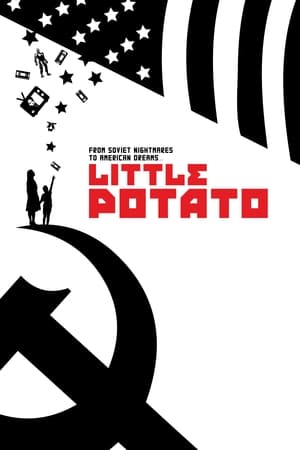
Wes Hurley's autobiographical tale of growing up gay in Soviet Union Russia, only to escape with his mother, a mail order bride, to Seattle to face a whole new oppression in his new Christian fundamentalist American dad.
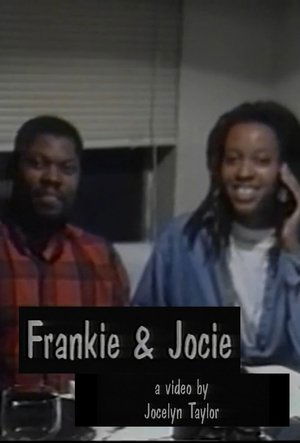
Examining the relationships between brother and sister, hetero and queer, male and female, this video weaves a provocative discussion between a Black lesbian and her straight brother. In an eloquent examination of desire and denial, Jocie attempts to make her brother acknowledge the violent face of homophobia recounting a time when she was attacked. Frankie candidly tells his sister about his own disempowering experiences as a Black man and recounts the time he tried to seduce her former lover. A candid and brilliant dialogue between family members.
What makes a voice “gay”? A breakup with his boyfriend sets journalist David Thorpe on a quest to unravel a linguistic mystery.
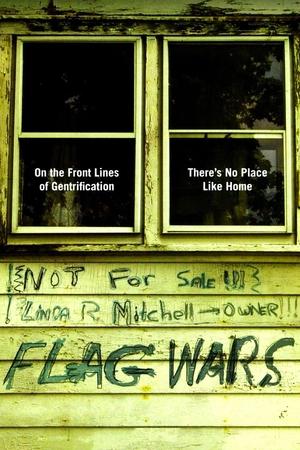
Filmed over four years, this documentary focuses on the impacts of gentrification as gay white professionals move into a largely black working-class neighborhood in Columbus, Ohio.
On June 24, 1973, a gay bar in New Orleans called the Up Stairs Lounge was deliberately set on fire — an event that, for over 40 years, was considered the "Largest Gay Mass Murder in U.S. History."
In 1987, Eddie Lee Sausage and Mitch Deprey recorded the nightly squabbles of their over-the-top neighbors, homophobic Raymond Huffman and proudly gay Peter Haskett, and the chronicle of the pair's bizarre existence soon took on a life of its own. This darkly funny documentary checks in with former punks Eddie and Mitch, who detail their late-'80s Lower Haight surroundings, and surveys the tapes' influence on an array of underground artists.
Rylan Clark shares his experiences of homophobia and his complicated relationship with football. He also meets people involved in the sport to ask why it's not a wholly welcoming place for gay men and how homophobia has an impact on those exposed to it.
A box found in an abandoned storage unit unearths a time capsule of correspondences from a forgotten era: the underground drag scene in 1950s New York City. Firsthand accounts and newly discovered footage help cast a long overdue spotlight on the unsung pioneers of drag.
This anti-homosexual social "scare" short film focuses on the dangers of young boys talking to strangers.