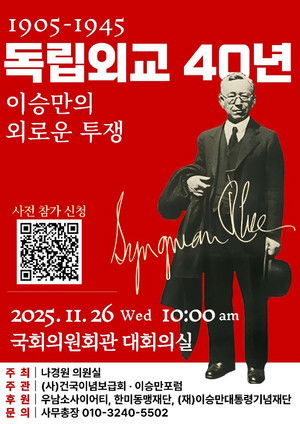
Forty Years of Diplomacy For Independence: Syngman Rhee's Lonely Struggle
Danish documentary about the relationship between Queen Magrethe II and the prime ministers.
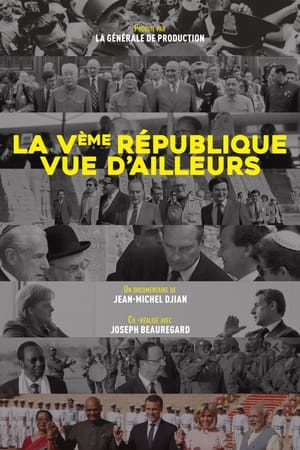
La Ve République vue d'ailleurs : Du général de Gaulle à Emmanuel Macron
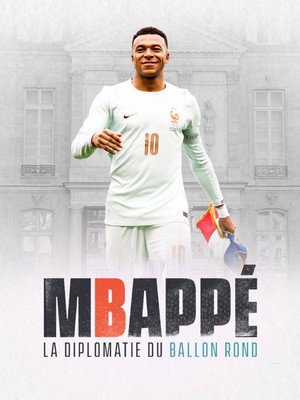
Mbappé, la diplomatie du ballon rond
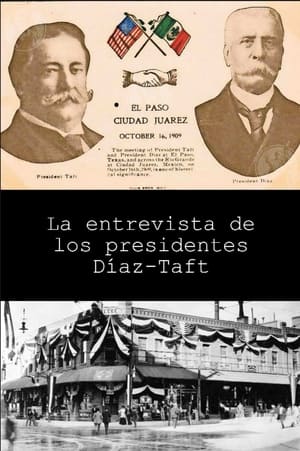
The first meeting of a U.S. president and a Mexican president took place when William Howard Taft met Porfirio Díaz on 16 October 1909, in El Paso. The meeting was celebrated in both El Paso and Juárez with parades, elaborate receptions, lavish gifts and large crowds. Shot by the pioneers of Mexican Cinema the brothers Alva. This is a typical example of newsreel material prior to the Mexican revolution. By hemerographical references we know that this footage was presented to the then president of Mexico General Porfirio Díaz in the Castle of Chapultepec, then residence of the president.
The Quiet Diplomat centers on former UN Secretary General Ban Ki-moon. The UN saved his life during the Korea War, inspiring him to become a man of peace. During two terms as the 8th Secretary General, Ban discovers the challenges of international diplomacy in an increasingly splintered world.
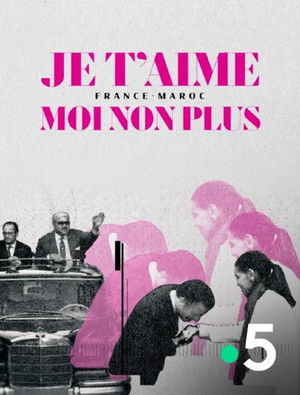
Je t'aime moi non plus - France-Maroc
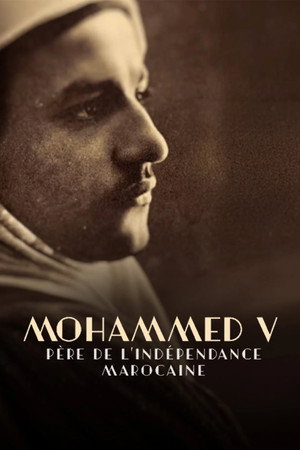
Mohammed V, père de l'indépendance marocaine
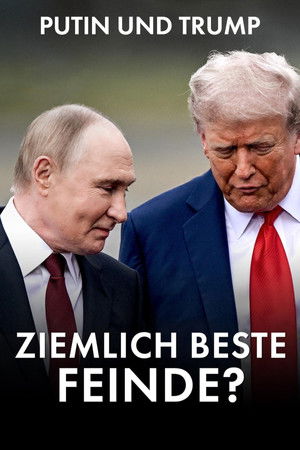
Russian President Vladimir Putin was one of the first politicians to congratulate Donald Trump on his election as president of the United States in 2016, but over time the relationship between the two heads of state has had its ups and downs. Are they friends or enemies? Has their mutual admiration turned into mutual distrust?
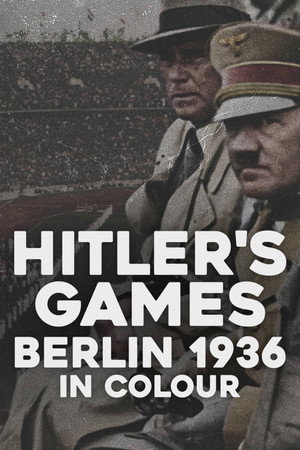
In 1931, Germany was awarded the Olympic Games in the hope this would draw them into the international community and world peace would be promoted through sport. For two weeks in August 1936 cameras captured the world’s greatest sporting spectacle, including the Gold Medal triumphs of record-breaking sprinter Jesse Owens. The Berlin Olympics were groundbreaking – many innovations introduced in 1936 such as television coverage and the torch relay became part of every subsequent Games. Hitler’s Games in Colour tells the story of the remarkable amateurs who excelled, but also how Hitler used the Games as propaganda for his brutal regime, to show the Nazis as benign and their military ambitions as modest. Using black and white archive, transformed by cutting-edge restoration and colourisation, this is the story of 16 days that fooled the world…
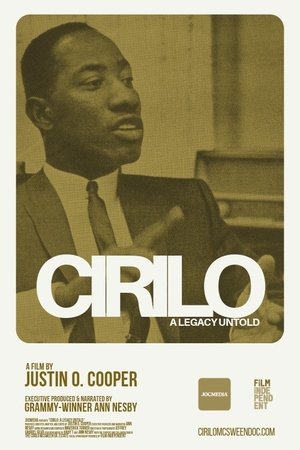
Born into poverty in Panama, Cirilo McSween’s journey is one of defiance, resilience, and triumph over systemic barriers. Against the backdrop of Jim Crow America, he confronts racism while pursuing the American Dream. From his arrival in the U.S. as an ambitious immigrant to his rise as a trailblazing entrepreneur and civil rights activist, McSween’s life stands as a testament to determination and community. Through tireless advocacy for equality and opportunity, he helped shape both Panama’s identity and Chicago’s civil rights movement. A confidant of Dr. Martin Luther King Jr., a pioneering insurance executive, and a philanthropist empowering underserved communities, McSween’s story bridges nations and generations. CIRILO, A Legacy Untold illuminates a transformative figure whose legacy continues to inspire across the Americas.
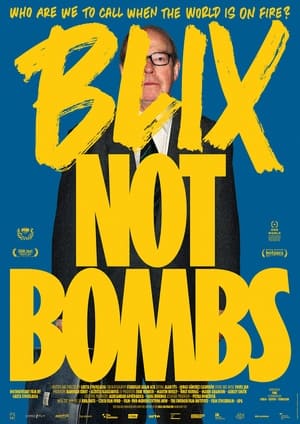
When the world was on fire, they called Hans Blix. This is how the Swedish diplomat is introduced in ‘Blix Not Bombs’. And if there is one fire he is particularly associated with, it is the 2003 invasion of Iraq. Prior to the invasion, Blix led the delegation of UN officials to find out whether weapons of mass destruction were present in Iraq. And it is the invasion and its consequences that we get Blix’s formidably insightful analysis of in a thorough and honest conversation with director Greta Stocklassa. Few others understand the complexities of international politics on the world stage like Blix, and none can explain it with his intellectual elegance. But Stocklassa’s film is also a portrait of the man himself, now an elderly gentleman, writing his memoirs, walking with a cane and watching birds through the window of his apartment. His outlook and commitment is as urgent as ever, as Blix takes stock of the invasion of Iraq and the state of the world today.
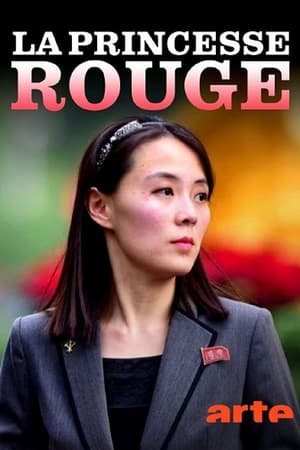
Who is Kim Yo-jong? In a context of maximum tensions between North Korea and the United States, Pierre Haski paints an unprecedented portrait of the little sister of Kim Jong-un, whose influence in Pyongyang is growing stronger day by day.
Vladimir Putin and Donald Trump — one the President of the United States, the other the President of Russia. Two men at the pinnacle of global power whose relationship keeps the world on edge. One a former businessman, the other a former KGB agent. Both have been active in politics for years. What drives them? The struggle over a possible ceasefire — or even peace — in Ukraine brought the two together last summer in Anchorage. But the question remains: who wants what? And who is succeeding with what agenda?
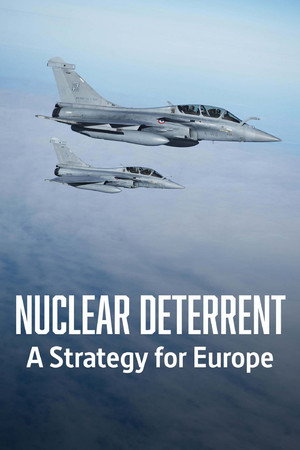
Until recently, Europe felt safe under the US nuclear umbrella. But since Russia invaded Ukraine and Donald Trump was re-elected, transatlantic relations have deteriorated. Experts are calling for Europe to focus more on its own nuclear deterrent. But what options do nations on the continent have?
On an expedition through Latin America, Italian General Italo Balbo made the Atlantic crossing with his seaplane squadron, which left Boloma, entered Brazilian territory via Natal and now ended its journey in the capital Rio de Janeiro. Arrival of the fascist squadron at Enseada de Botafogo. People, many in boats, applaud the descent of the seaplanes. A group of officers searches the soldiers in profile. Italo Balbo, Ambassador Vittorio Cerrutti and Royal Consul Onorevole Mammalella watch the parade of troops. A group of officers with Col. Magdalena, "the intrepid hero of several aerial feats". At the Catete Palace, Balbo and Cerrutti are received by the President of the Provisional Government, Getúlio Vargas, and his ministers. The Italian delegation leaves the Catete Palace.
In 1918, Maria José Rebello from the state of Bahia applied for the national admission exam for the diplomatic career, a fact that left much of society astonished. Setting a precedent as the first woman to join the Ministry of Foreign Affairs, Maria began a 100-year journey for Brazilian women in diplomacy.
Ambassade questions the role of diplomatic relations and territorial representation. Through the prism of the American hostage crisis in Iran between 1979 and 1981, this film focuses on Switzerland’s role as an intermediary in resolving this international conflict. Pascal Décosterd was a young Swiss diplomat sent to Tehran in 1979. Today, recently retired, he is embarking on a journey to try to understand the events of which he was one of the actors. Flavio Meroni was number 2 of the Swiss Embassy in Iran, today he is writing a book on negotiations to free the hostages. In their company we visit places in the United States, Iran and Switzerland, we meet the protagonists and retrace the different stages of these three years that shaped a new global balance. Behind the scenes of these events, where small and great history mingle, Ambassade offers insights into the importance of the human being at the heart of major diplomatic mechanisms.
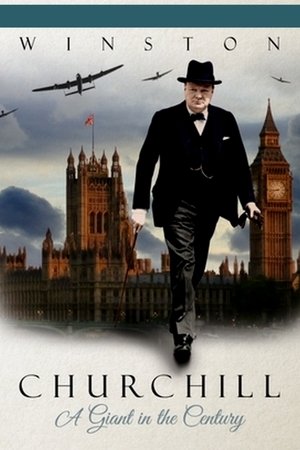
A new look at the public and private life of one of the most important statesmen in the history of Europe: Winston Churchill (1874-1965), soldier, politician, writer, painter, leader of his country in the darkest hours, winner of the Nobel Prize in Literature, a myth, a giant of the 20th century.
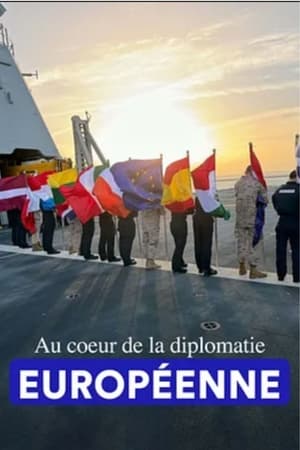
At the heart of European diplomacy