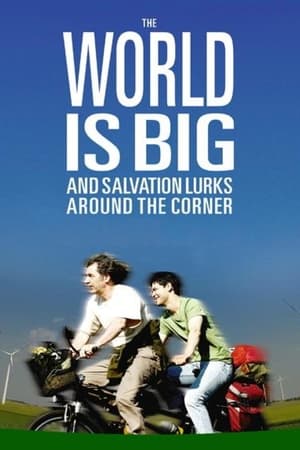
The story of Alex, who, with the help of his charismatic grandfather, embarks on a journey in search of his real self.
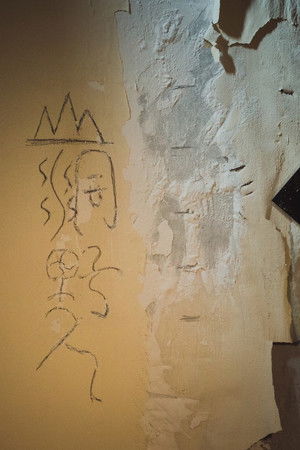
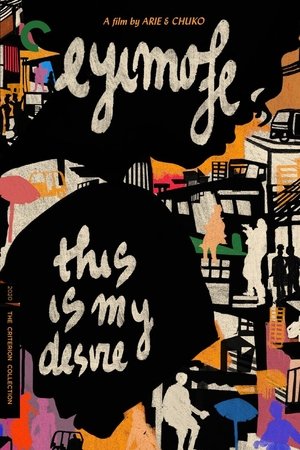
When Pak Tin Estate is going to be demolished, the residents will move to a new place, but how about the dead residents? Where could they go? Ho Ying-kuen who majors in Myth and Poetry, and Playwriting, leads us to a time and space of a demolishing public estate. We will come across the residents of the estate, a mother with her two sons selling incenses, and two monkeys having conversation about their mother. A mixture of fiction, experimental and documentary images, Lost Cemeteries studies about filial piety and death with a strange and interesting approach.
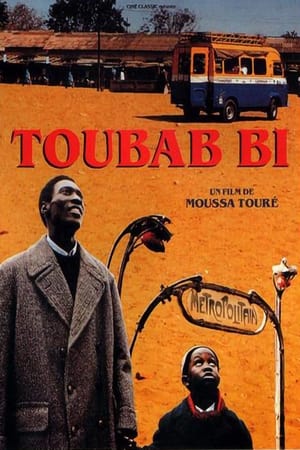
Soriba Samb is a Senegalese who has just received a much sought after internship to study filmmaking in Paris. Soriba heads to Paris, accompanied by the five-year old son of a friend who he believes to be still living in Paris. On arrival he struggles to find the boy’s father. In addition to coping with his new internship, Soriba has to also spend time tracking down the boy’s father ‘Issa’.
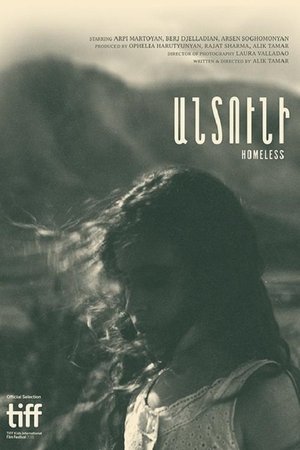
Lori, a Syrian-Armenian girl living in Armenia, believes her father is taking her on a summer trip. When she learns that her family is really leaving Armenia after already fleeing the war in Syria, she tries whatever she can to stay in a place that has great meaning for her.
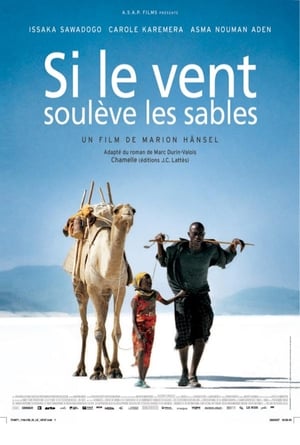
On the one hand, there’s the desert eating away at the land. The endless dry season, the lack of water. On the other there’s the threat of war. The village well has run dry. The livestock is dying. Trusting their instinct, most of the villagers leave and head south. Rahne, the only literate one, decides to head east with his three children and Mouna, his wife. A few sheep, some goats, and Chamelle, a dromedary, are their only riches. A tale of exodus, quest, hope and fatality.
Shin-ae moves to her recently late husband’s hometown. Despite her efforts to settle in this unfamiliar and too-normal place, she finds that she can’t fit in. After a sudden tragedy, Shin-ae turns to Christianity to relieve her pain, but when even this is not permitted, she wages a war against God.
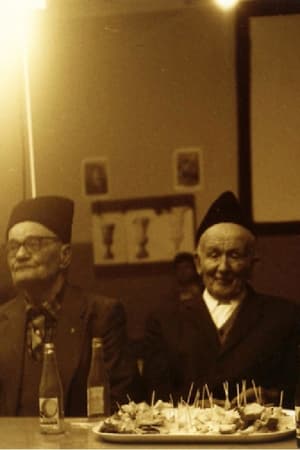
The protagonists of this docudrama are old farmers who migrated to Banat after the First World War, in 1922. The film is focused on a couple of important events in their impressive lives, which are woven into lively scenes and stories full of wise instances. Their statements become spontaneous recounts of the lives of people in this region.
This anthology film, whose Chinese title begins with a romantic name for human excrement, premiered internationally at Rotterdam and won Best Screenplay from the Hong Kong Film Critics Society. A variety of Hong Kong people wrestle with nostalgia when facing an uncertain future. Their stories give way to a documentary featuring a young barista turned political candidate.
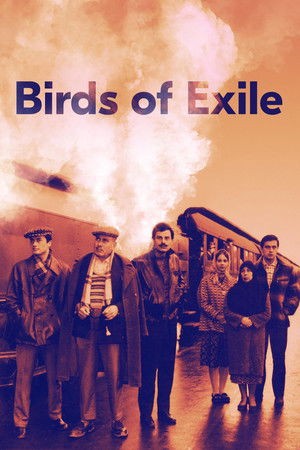
Tahir Agha sells all his assets when his business in Maraş deteriorates. He immigrates to Istanbul with his wife Hatice, sons Selim, Murat, Kemal and daughter Fatoş, where he sets his mind to open a repair shop. But in the metropolis, things don't go as planned.
LEI and WONG clandestinely arrive to Ecuador, on their way to the port city of Guayaquil. From here LEI plans to continue her journey to New York, but CHANG, a bipolar mobster will decide her fate. WONG unwillingly gets entangled in the web of corruption that operates the encroachment of Chinese immigrants. His only objective is to bring his twelve-year-old son from China.
A man and a woman in Lagos want to escape their everyday lives, but extricating themselves is no easy task. Two stories narrated with tenderness and restraint that only fleetingly touch, the dream of migrating to Europe floating above them all the while.
On her first day of school, Sofia – a Brazilian teenager who has recently arrived in London – is bullied by a group of British students. Homesick and alienated from the world around her, she meets Lauren, a British-Nigerian teenager who shows her Sun Rah, a world entirely of her own making in a nearby park, where they make their home together.
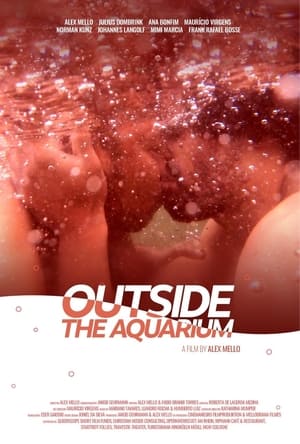
"Outside the Aquarium" is the new exhibition of protagonist Jonas. In his paintings he portrays his experiences as a black immigrant and part of the LGBT Community expressing his fears, loneliness and dreams for the future.
Marcelo was taken to Paris, where he has lived since he was 12. After the sudden death of his mother in 1992, he returns for the first time to the place where he was born. As he walks through the city of his childhood, a series of memories unfolds, revealing a story of friendship torn apart by tragedy and the social tensions that marked Brazil in the 1960s, leading him to question his identity and his place in the world.
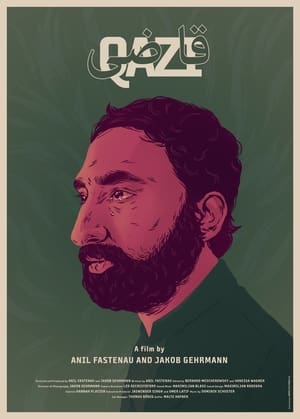
Qazi is the story of a young Pakistani refugee who is forced by economic and family circumstances to seek his fortune in Europe.
A little boy walks alone through a toy store, past people who speak a strange and, for him, incomprehensible language. A young mother finds a way to communicate with him without language. But she is not prepared for what he then tells her.
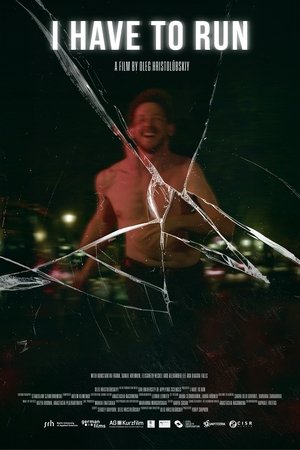
A gay artist flees the repressive laws and war in Russia to go to Berlin, leaving his boyfriend behind. Meanwhile, life in Berlin turns out to be less inclusive he had expected.
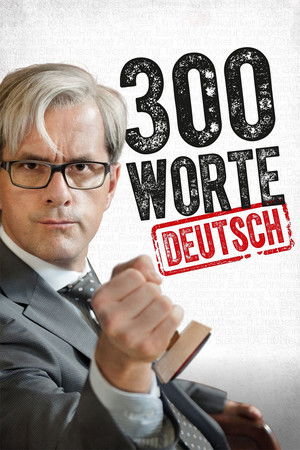
For years, the immigration officer Dr. Ludwig Sarheimer and the chairman of the Turkish community Cengiz Demirkan in Cologne have been fighting a small war. While the one, as a hodja, upholds the traditions of his homeland and brings Anatolian brides to Germany for Turks who are willing to marry, the other wants to prevent exactly that. Cengiz's daughter Lale Demirkan is at the center of these ongoing disputes. At home, the young woman plays the well-behaved Turkish daughter, but as soon as the German studies student leaves the house, she takes off her headscarf and sense of tradition and has fully arrived in German life. In her free time, she practises martial arts fighting techniques. So far, she has successfully fended off potential grooms.
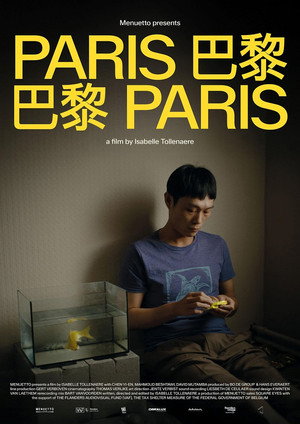
Three men—from China, the Democratic Republic of Congo, and Palestine—live together in a squatted apartment in a seemingly abandoned building in Paris. The group is bound together by their shared experience of life in exile and the fleeting nature of their possessions, relationships, and sense of home, but the temporary safe space is threatened by outside forces and events.
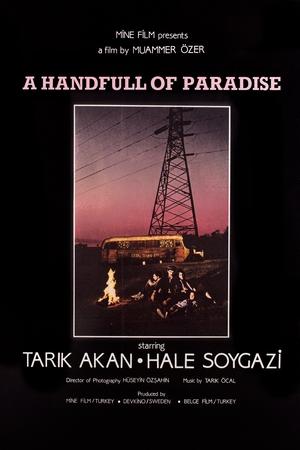
The story of a family who moved from a village to Istanbul with two children in order to live a better life, but ended up living in an abandoned bus due to poverty and lack of accommodation.