Poème Électronique is an 8-minute piece of electronic music by composer Edgard Varèse, written for the Philips Pavilion at the 1958 Brussels World’s Fair. The Philips corporation commissioned Le Corbusier to design the pavilion, which was intended as a showcase of their engineering progress. The pavilion was shaped like a stomach, with a narrow entrance and exit on either side of a large central space. As the audience entered and exited the pavilion, the electronic composition Concret PH by Iannis Xenakis (who also acted as Le Corbusier's architectural assistant for the pavilion's design) was heard. Poème électronique was synchronized to a film of black and white photographs selected by Le Corbusier which touched on vague themes of human existence.
In 1971, graduate student Gloria Orenstein received a call from Surrealist artist Leonora Carrington that sparked a lifelong journey into art, ecofeminism and shamanism. This short film uses art, animation and storytelling to celebrate this wild adventure. Now more than 40 years later, award-winning Dr. Gloria Feman Orenstein is a feminist art critic and pioneer scholar of women in Surrealism and ecofeminism in the arts. Her delightful tale brings alive an often unseen history of women in the arts.
Interview Record of New Artists
Extracorpus
Heritage
Carlos
Threnody emphasises some of the madness and instability of a year filled with fires, infections and general disarray.
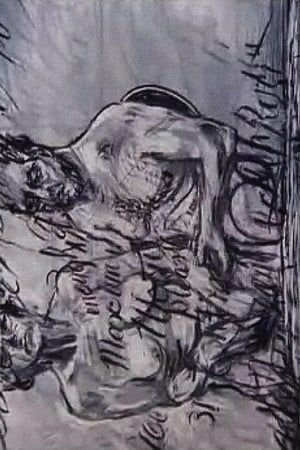
Charcoal animation, taken from from Point of View: An Anthology of the Moving Image (2003).
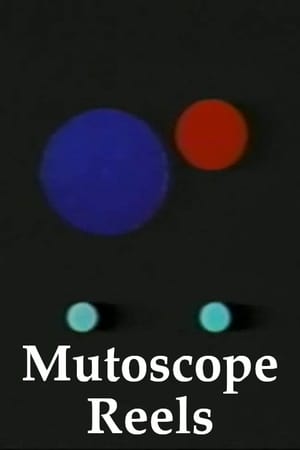
An mutoscope motion picture installation commissioned for the 86th anniversary of the Guggenheim museum. Later preserved and turned into a short film. Preserved by the Academy Film Archive in 2000.
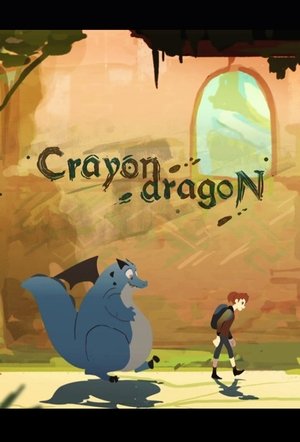
A girl is commissioned to paint over an old concrete illustration, in which to her surprise, sinks into. She befriends a painted dragon who has a wing missing.
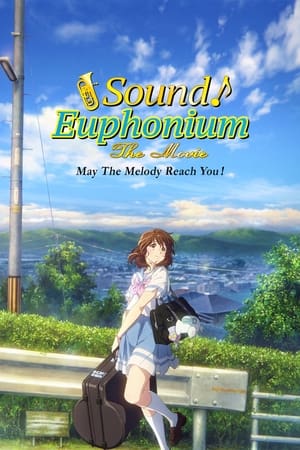
Autumn is in the air as the Kitauji High School concert band prepares for the National Competition. The band hears troubling news that Asuka Tanaka, vice president of the club and one of the key euphonium players in the band, may quit! Asuka is beautiful and charismatic and everyone relies on her, but she also has a cool side and never reveals her true self. Kumiko doesn’t get along with Asuka initially, but her feelings change when she learns that Asuka may actually drop out. Asuka has feelings about the euphonium that she cannot tell anyone else…
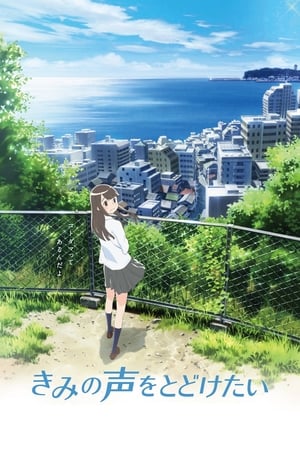
The story focuses on high school girl Nagisa Yukiai who lives in a seaside town. She has believed her grandmother's story that spirits dwell in words and they are called "kotodama" (word spirit). One day, she strays into a mini FM station that has not been used for years. As an impulse of the moment, she tries to talk like a DJ using the facility. But her voice accidentally broadcasted reaches someone she has never expected.
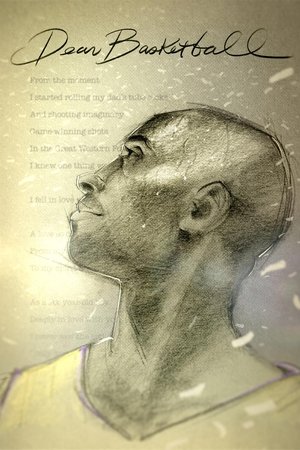
An animated telling of Kobe Bryant's titular poem, signaling his retirement from the sport that made his name.
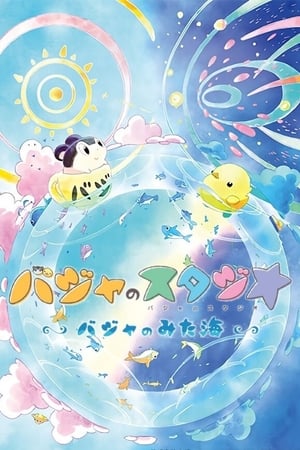
Kohata Anime Studio is a place full of dreams where animation is made. Baja was raised in this studio by the people who create animation. Floating in a pond outside are his friends the ducks. One night, when all the people are no longer at the studio, Baja takes a peek outside and finds that his duck friends are being attacked by a cat. Will Baja be able to save his friends? A wondrous night adventure begins.
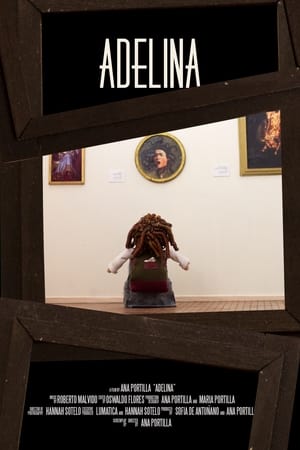
Adelina, going for the first time to a museum, discovers her artistic side.
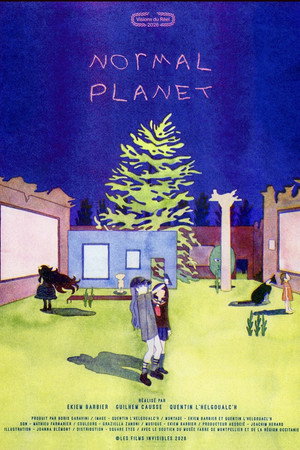
Lost in the middle of a universal internet, visitors wander through a virtual museum, dressed in wacky avatars. In this psychedelic-tinged anticipation documentary, it is through the bewildered gaze of a fish who arrived there by chance while surfing the internet that the filmmakers lift the veil on the visitors' imaginations and their intimate view of art and the museum space.
The second anime short based on Kyoto Animation studio mascot character Baja.
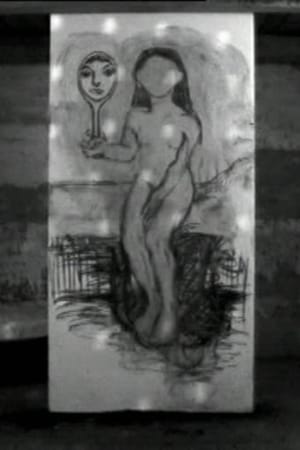
Black and white animation based on Munch's art of work. The image changes gradually and resembles at one point The Scream.
A series of morphing, abstract, computer-generated artscapes created by James Shiflett, set to a musical score composed by Jonn Serrie.
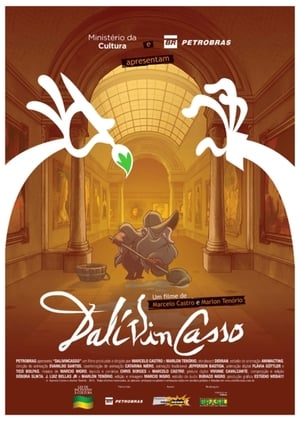
An unpublished painting, the meeting of two geniuses in a single painting arrives to the museum at a rainy night. The museum caretaker observes the work of art being brought to the lounge where it will be exhibited to the public. The wet box drips on the paint, the paint softens and releases the conjoined painters who walk around the museum intervening on the works of art in a Cubist and Surrealist manner. The caretaker "chases" our painters in a classic cartoon chasing, using the Renaissance mechanisms to restore the order.