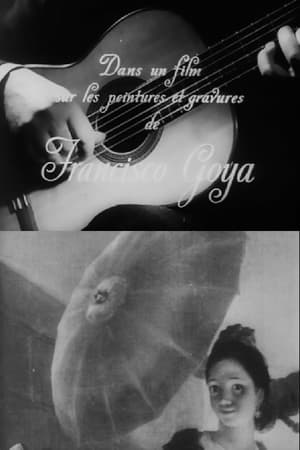
Presents life in 18th century Spain as the painter Francisco de Goya showed it to us.
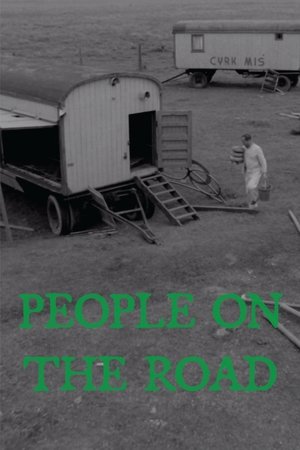
A portrait of a traveling circus.
Johann Lurf‘s film Endeavour slides between documentary, avant-garde film, and science-fiction. This highly singular combination of materials and techniques gives the viewer of Endeavour a feeling of flight, as the film continually evades the gravity of genres and definitive definitions. Lurf uses NASA footage from a day and a night launch of the space-shuttle that follows the booster rockets from take-off to splashdown.
Presaging details and intent of the Charles Manson's cult and actions was not meant to be one of this film's greater attributes. It was, however, filmed uncannily months before the facts were known. The resemblance is oblique. The film: the mysticism of a "calling," a journey to be made, a vision in mid-desert to behold and oneness with it all. Filmed in Death Valley.
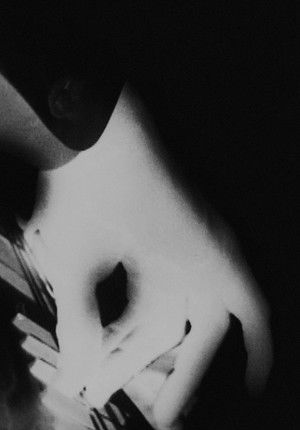
Multi-faceted artist Phil Niblock captures a brief moment of an interstellar communication by the Arkestra in their prime. Black turns white in a so-called negative post-process, while Niblock's camera focuses on microscopic details of hands, bodies and instruments. A brilliant tribute to the Sun King by another brilliant supra-planetary sovereign. (Eye of Sound)
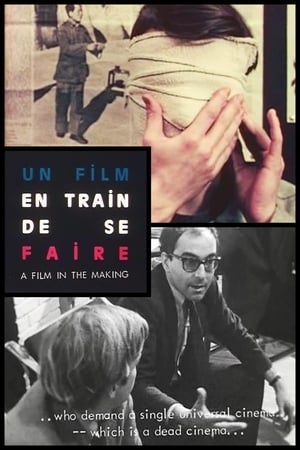
Jean-Luc Godard visits NYU in order to discuss his latest feature "La chinoise" with graduate students on filmmaking and politics.
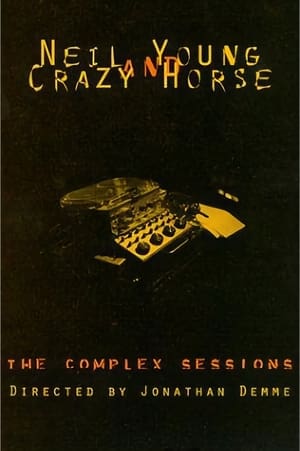
This half-hour documentary by acclaimed director Jonathan Demme ("The Silence of the Lambs") captures singer-songwriter Neil Young and his hard-rocking backing band Crazy Horse "live" in the studio playing a set of four songs. These sessions took place at the Complex Recording Studios in Los Angeles on October 3, 1994, just one day after Young's critically-lauded Bridge School Benefit concert. Earlier that year, Young and his band had recorded the studio album "Sleeps with Angels" at the Complex studios and came back to film a series of music videos. Jonathan Demme was there to document the recording session, which began at 6:30 pm on a Monday evening and concluded at 4:30 am the next day. "The Complex Sessions" is the result of these sessions. Set List: 1. My Heart (3:08), 2. Prime of Life (4:44), 3. Change Your Mind (14:56), 4. Piece of Crap (3:08).
Explores the hot-button issues around the striking gender gap in Hollywood. Both women and men in the entertainment industry share first-person insights, questions, and anecdotes about the place of women in Hollywood.
Melting shows the natural monostructural disintegration of a strawberry sundae, its passage from rigidity to softness, from edibility to waste. The spoon resting on the plate refers to the human presence, which lurks behind the screen, declining to interfere with what transpires. Preserved by the Academy Film Archive in 2009.
In the world's first media interview, shot in Paris in August 1886, the great photographer Nadar interviews the famous scientist and sceptic Chevreul on his 100th birthday. In their own words - originally recorded in shorthand - they discuss photography, colour theory, Moliere, the scientific method, the crazy ideas of balloonists, and - of course - how to live for 100 years. These two legends of the 19th century have a lively and interesting conversation. One was born before the French revolution; the other was destined to see the marvels of the aeroplane and the movies.
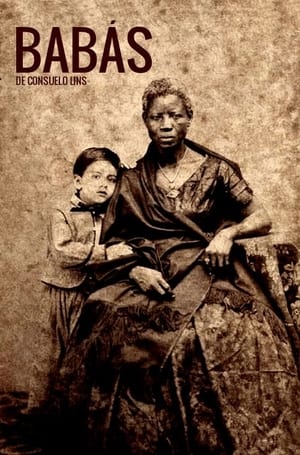
Nannies combines autobiographical elements with a reflection on the presence of nannies in Brazil. With a subjective narration, the film incorporates photographs, domestic footage and newspaper adds from the 20th century, as well as contemporary images of nannies and children, building a personal narrative about the presence of nannies in the daily lives of many Brazilian families. A situation where the affection is genuine, but does not dissolve violence and racism.
A young woman searches for traces of herself through a prehistoric monument engulfed by the urban landscape. Driven by a persistent feeling of déjà vu, she returns to the place where she grew up, repeating gestures of observation, collecting and photographic development in an attempt to recover a memory that may never have existed. Between ritual, the analogue darkroom and fragments of the landscape, she builds an intimate archive where memory, imagination and reality become intertwined.
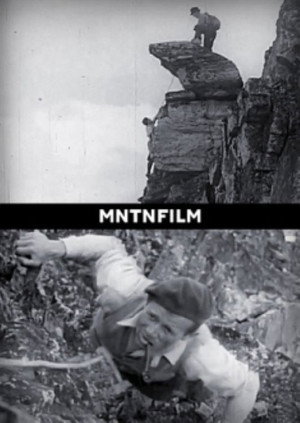
Sound version of the silent picture 'Climbing Mount Tupper.' William J. Oliver filmed the ascent of Mount Tupper in the Glacier National Park by the famous Swiss mountain guide Edward Feuz accompanied by his daughter and another man. The party of three climb roped up to a height of 7000 feet.From there, the two men continue without the women to face the final part of the climb, 'a naked shaft of rock rising sheer and high'. The two men finally reach the summit and later, on the descent, they meet the woman, who is waiting for them. The film was produced by the National Parks of Canada to promote tourism travel to the Canadian Rockies.
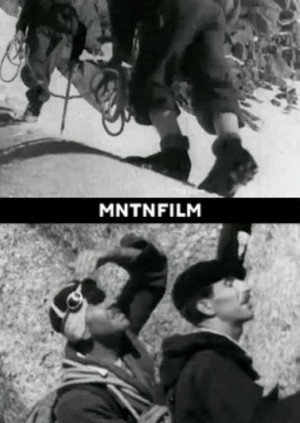
The ascent of the Aiguille Verte in the Mont Blanc Massif by the ridge of the Moine. Two climbers, the mountain, and the rope. No plot, no tragedy, but the lives of the two protagonists during the hours they are struggling. A film produced by the Comité de l'Expédition Française à l'Himalaya and made by Samivel and Marcel Ichac to test the film material destined to a future expedition in the Himalayas (the 1936 French expedition to Hidden Peak in the Karakorum). It is also an opportunity to show the beauty of the mountain at different moments of the day, the ascent of climbers roped, and the techniques and dangers of mountain climbing.
Wonders of the Arctic 3D centers on our ongoing mission to explore and come to terms with the Arctic, and the compelling stories of our many forays into this captivating place will be interwoven to create a unifying message about the state of the Arctic today. Underlying all these tales is the crucial role that ice plays in the northern environment and the changes that are quickly overtaking the people and animals who have adapted to this land of ice and snow.
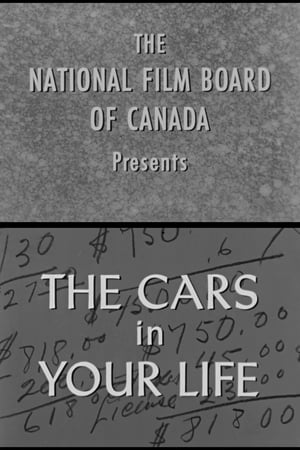
A light, humorous look at the motor car and the great North American itch for a place on the road. From the comparative peace of Honest Joe's used-car lot, this film hustles you onto our public speedways, where hot rubber erases any distance between all points. Slow-motion and pop-on-pop-off photography make this a provocative, revealing study of motormania unlimited. A 1960 black and white production. (Also released under the title 1/3 Down and 24 Months to Pay.)
The Salvation Army in action. Band rehearsals, personal reminiscences of an Army officer, and an unrehearsed "coming to Christ" in the Army Citadel make for a revealing film study of men and women dedicated to a life of service to humanity.
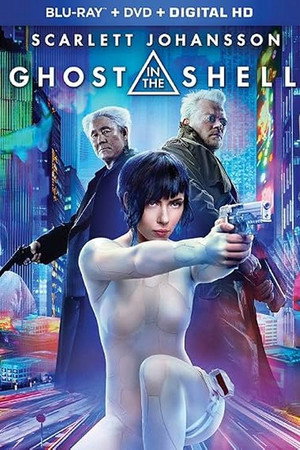
An in depth look behind the scenes at the making of the live action Ghost In The Shell. Director Rupert Sanders, along with the cast and crew, take you from adapting the script and casting, production design and filming.
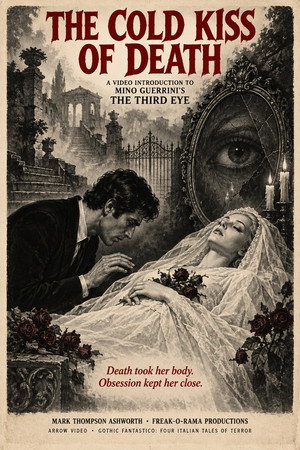
Mark Thompson Ashworth discusses the 1966 film "The Third Eye "( or "Il Terzo Occhio"), and its cast and crew, pointing out key figures, including Franco Nero, Erika Blanc, and Olga Sobelli. It includes observations on the contrast between the film’s grisly subject matter—necrophilia and preservation of a dead beloved—and its comparatively elegant visual approach. [Included on the Arrow Video "Gothic Fantastico: Four Italian Tales of Terror" Blu-ray box.]
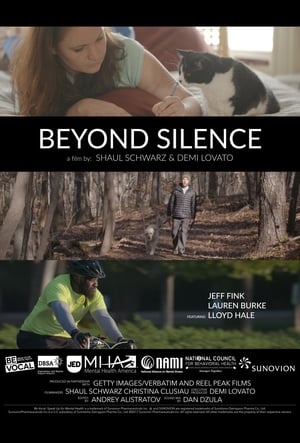
The lives of Jeff, Lauren and Lloyd—three very different people who share one common experience—have been transformed by speaking up for mental health. These inspiring stories depict what mental health in America really looks like and highlights just how important it is to speak up and seek help.