Documentary following the actors playing the role of Billy in Billy Elliot the Musical as they prepare for their West End debut.
A love letter to Mar del Plata made of images, times and a road trip. "The Happy Ones" is an experimental short documentary composed of past and present family footage. It portrays a place in the summer, the city of Mar del Plata, with a span of 20 years between past and present images (January 2000 and 2020). Despite the time that passed by, it's beaches, essence and people remain, always willing to keep dancing.
Moving Together is a celebratory love letter to music and dance that brims with kinetic life and energy. This documentary explores the intricate collaboration between dancers and musicians, moving seamlessly between Flamenco, Modern, and New Orleans Second Line.
From the rains of Japan, through threats of arrest for 'public indecency' in Canada, and a birthday tribute to her father in Detroit, this documentary follows Madonna on her 1990 'Blond Ambition' concert tour. Filmed in black and white, with the concert pieces in glittering MTV color, it is an intimate look at the work of the icon, from a prayer circle before each performance to bed games with the dance troupe afterwards.
The film presents thirteen rhythms of flamenco, each with song, guitar, and dance: the up-tempo bularías, a brooding farruca, an anguished martinete, and a satiric fandango de huelva. There are tangos, a taranta, alegrías, siguiriyas, soleás, a guajira of patrician women, a petenera about a sentence to death, villancicos, and a final rumba.
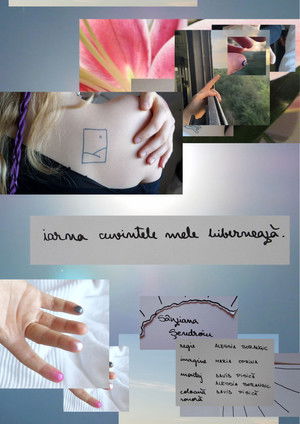
A woman, an artist and dancer, sets out to reclaim her childhood memories shared with her late grandmother—a bond forged through their mutual passion for painting. Through the delicate recovery of her grandmother’s floral works, she engages in a silent dialogue with the gestures of an ancient practice. She conjures a fictional exchange, a spellbinding journey between dimensions. This intimate quest transcends disciplines, seeking intergenerational connection and answers.
Portrait of Lester Horton, a Los Angeles-based dancer, choreographer and teacher who trained many world-reknowned dancers and built the first American theater devoted permanently to dance. Former students and friends, including Bella Lewitzky, Alvin Ailey, and Carmen de Lavallade, help create a picture of Horton through interviews. Includes numerous dance excerpts.
Artfully erotic nudity with plush, glamorous décor and sensual, atmospheric lighting: The Crazy Horse, in the French capital’s well-heeled eighth district, has been delighting audiences for 70 years with its special brand of classy Parisian cabaret.
Pina Bausch created and performed Café Müller for her dance company Tanztheater Wuppertal. The dance was inspired by and based on her childhood memories of watching her father work at his café in Germany during and immediately following World War II. In this silent style featurette, Bausch shows a restaurant after closing, in which the ghosts of the departed customers stumble blindly into walls and onto chairs but fail to find one another.
This documentary will explore the Afro-Caribbean dance, ‘whining’ alongside the practice of twerking to analyze respectability politics, pressures to accommodate whiteness, and gendered criticism of sexual expression within the Black diaspora. Using archival footage of West African dance, expert opinion from dancing and gender studies professors, and the active participation of partygoers in a dance experiment, Watkins will paint the picture of the defiance, autonomy, and ancestral veneration intrinsic to these traditional movement styles.
A portrait of the day-to-day operations of the National Gallery of London, that reveals the role of the employees and the experiences of the Gallery's visitors. The film portrays the role of the curators and conservators; the education, scientific, and conservation departments; and the audience of all kinds of people who come to experience it.
Dance for All
What makes the life of a dancer? - Burghausen dance professional Patrick Grigo aka Parrish gives an insight into the last 30 years of his career. He talks about his first steps on the dancefloor and the tough path into his dancing career, his great successes and also the many setbacks, his decisions and valuable experiences. Taking responsibility has always been one of his core values and has taken him to the world's great show stages, made him a national coach and helped him to be part of the team that took the dance sport of “Breaking” to the Olympic Games. Director Julian Heinke accompanied the still active dancer on his travels and shows him from exciting angles as well as on unpublished video material from his active time.
The film sketches the creative life of the protagonist Kapila. The film’s narrative is structured as one day in the life of a Koodiyattam performer.
Alexis, a talented and proud student of the National Ballet School of Cuba, spends his life practicing chassé and entrechats with his girlfriend and dance partner Yelenia. However, when his family moves to Florida to be reunited with his sister, he must adjust his expectations and dreams to a radically new environment. Alexis, facing rejection and homesick for his native Cuba, feels lost and alone. He must find his way in the world of American ballet while remaining faithful to his roots.
With the coveted glitter ball trophy once again up for grabs, how will series winner Chris Hollins fare against other celebrity favourites - including Austin Healey, Kelly Brook, Mark Ramprakash, Ali Bastian, and Natalie Cassidy? As they take to the stage alongside their professional partners including; Kristina Rihanoff, James and Ola Jordan, Brian Fortuna, Natalie Lowe and Ian Waite, in brand new breathtaking outfits and daring routines. They will need to impress judges; Len Goodman, Bruno Tonioli, Craig Revel Horwood and Arlene Philips. Who as always, are ready with quips, banter and razor-sharp observations!
Seven choreographers work tirelessly to both question and embrace their chosen form, producing work that celebrates the strange, startling and poetic beauty of dance and performance. Curated by Gia Kourlas. Narrated by the choreographers.
A love story, portraying the dilemmas and inevitable consequences of ambition. It is a film about a woman's fight for independence, a woman trying to succeed with her own art in the extremely competitive world of dance.
A documentary film that highlights two street derived dance styles, Clowning and Krumping, that came out of the low income neighborhoods of L.A.. Director David LaChapelle interviews each dance crew about how their unique dances evolved. A new and positive activity away from the drugs, guns, and gangs that ruled their neighborhood. A raw film about a growing sub-culture movements in America.
Anma (The Masseurs) is a representative and historical work by the creator of Butoh dance, Tatsumi Hijikata in his early period in the 1960s. The film is realized not only as a dance document but also as a Cine-Dance, a term made by Iimura, that is meant to be a choreography of film. The filmmaker "performed" with a camera on the stage in front of the audience. With the main performers: Tatsumi Hijikata and Kazuo Ohno, the film has the highlights such as Butohs of a soldier by Hijikata & a mad woman by Ohno. There is a story of the mad woman, first outcast and ignored, at the end joins to the community through her dance. Inserted descriptions of Anma (The Masseurs) are made for the film by the filmmaker, but were not in the original Butoh. The film, the only document taken of the performance, must be seen for the understanding of Hijikata Butoh and the foundation of Butoh.