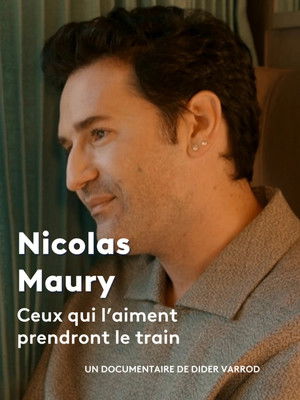
Between the nostalgia of resurfacing roots and the desire to venture into song to experience a rebirth, Nicolas Maury reveals himself unguarded before Didier Varrod, with a deeply moving sincerity. Nicolas Maury released his first album, La porcelaine de Limoges, in January 2023—a new experience for this unique, demanding, and multifaceted actor. It is an opportunity to paint an intimate portrait of him through an extended interview on a train between Paris and Limoges. In this specific setting, which was also that of his first (silent) film role with Patrice Chéreau in Those Who Love Me Can Take the Train, Nicolas discovers archives and hears from close acquaintances who speak about him. A documentary film, like a kind of initiation rite, it moves back and forth between memories of France and childhood, and his condition as a man and artist today, taking on a new identity through music.
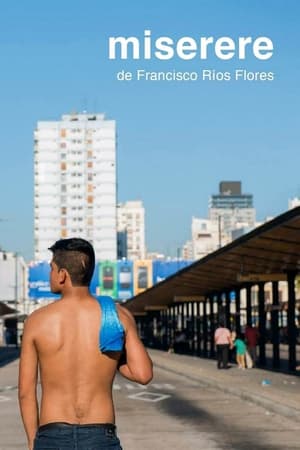
It is a sweltering day in Buenos Aires, Miserere square and the railway station are packed. Almost unnoticed, a group of guys prostitute themselves for little money. Their thoughts emerge, deadening the oppressive hustle and bustle of the square and the station. Miserere reveals an invisible problem: the prostitution of needy men in the big Latin American cities.
Redheads. Fire crotches… This film collects samples of their testimonials and their body hair and skin. About being different genetically, about gay gingers, doubly in a minority, from Ireland to Israel to Brazil. A film made especially for ginger lovers.
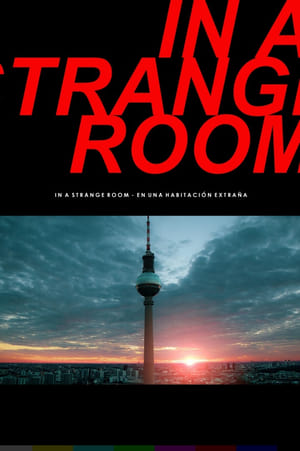
In the summer of 2008, Enzo travels to Berlin to work on a creative documentary and find a former lover.
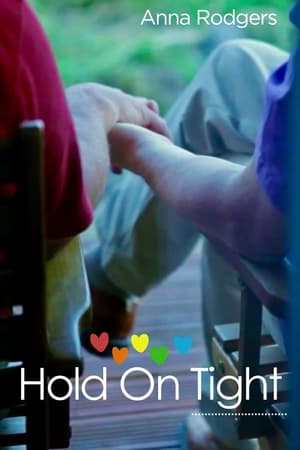
A short documentary exploring the ways LGBT couples show affection, and how small interactions like holding hands in public can carry, not only huge personal significance, but also the power to create social change.
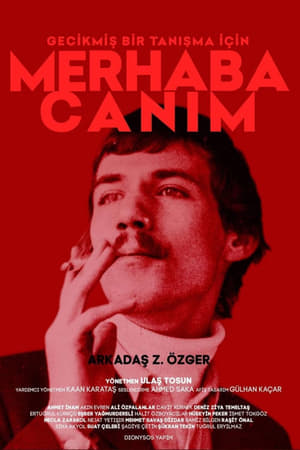
The documentary is titled after Arkadaş Z. Özger’s poem “Hello My Dear” which had caused much controversy in the period it was first published. Considered to be in defiance of heteronormativity, the said poem includes references to the poet’s personality, his family, his relationship to the society, and his “unexpected” death, which came three years after its publication. Today, 50 years after it was written, the documentary follows these same lines in the poem utilising cinematic elements. The documentary also rediscovers the poetics; reaches out to the family, the comrades, the friendships, departing from the official historical accounts, cognizant of his experience of otherness, in pursuit of the “lost” portrait of Arkadaş Z. Özger.
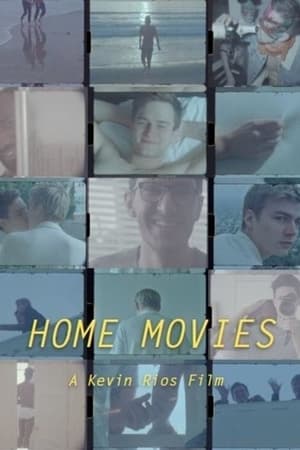
In this home movie collection of gay men, memory serves as an act of hope, power, and above all, resilience.
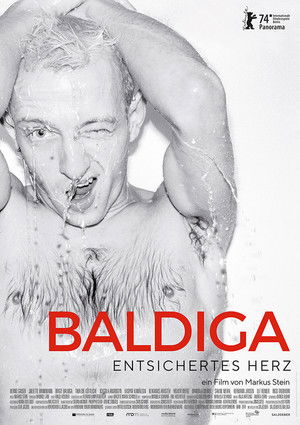
Using diary excerpts, photographs and memories from companions, the film paints the portrait of the artist Jürgen Baldiga who sensitively and authentically captured the West Berlin queer scene of the 1980s and early 1990s with his camera.
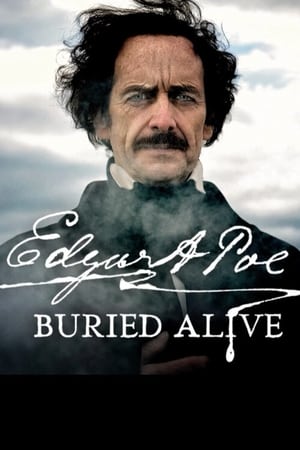
How the inventor of the detective story became his own greatest mystery.
Refuse to compromise to choose freedom
Two gay soccer players fight against homophobia ahead of the World Cup in Qatar.
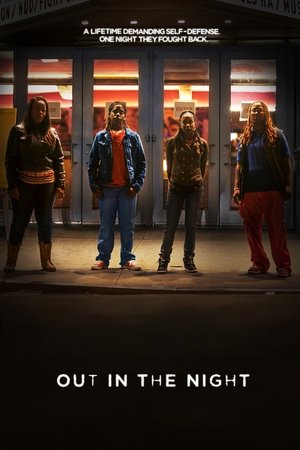
Under the neon lights in a gay-friendly neighborhood of New York City, four young African-American lesbians are violently and sexually threatened by a man on the street. They defend themselves against him and are charged and convicted in the courts and in the media as a 'Gang of Killer Lesbians'.
The documentary tells the story of Camille Cabral, Northeastern woman, transsexual, first Brazilian elected in France.
Homosexuality has been condemned for centuries. But why? What do some people find offensive about the homosexual behavior? Meet a man who was convicted for the murder of an homosexual, along with the president of 'Jurists for life', the spokesperson of 'la Manif pour Tous' as well as the national representative of 'Standing Sentinels' and the spokesperson of 'Forza Nuova'.
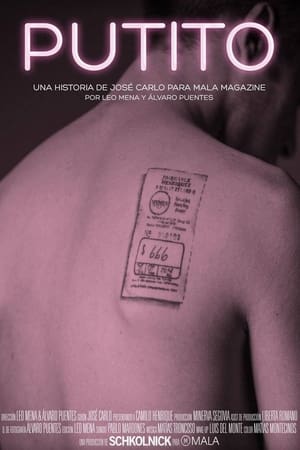
Putito is a production with no specific genre, where reality and fiction blend through a testimony written by José Carlos Henríquez - a feminist activist and male prostitute who plays himself in the project. Available in a censored and uncensored version.
While non-binary representations are rare, Lou talks about their relationship to gender, clothes, and other markers.
A group of older gay men get together every month for companionship, camaraderie, and sex.
In 1980, the first march of gays, lesbians and transvestites took place in Brazil in protest against the constant police operations that took place in São Paulo, which aimed to repress these groups. Based on Renan Quinalha's doctoral thesis, “Against morality and good customs: the sexual politics of the Brazilian dictatorship (1964-1988)”, carried out by the Institute of International Relations, a series of four 5 minute videos about the birth of the LGBT movement during the Military Regime.
On 29 March 2014 same-sex marriage became legal in England and Wales. Take a front row seat at one of the first gay weddings which will be an extraordinary ceremony in more ways than one - it's a musical.Grooms Benjamin Till and Nathan Taylor have written and staged their entire wedding as a musical – with sung vows, sung readings, a singing registrar and show-stopping ensembles featuring the whole congregation of family, friends and special guests. Even the grooms’ mums sing a heartfelt duet.
Traveling back to the places where he grew up, Dustin Lance Black explores his childhood roots, gay identity and close relationship with his mother, who overcame childhood polio, abusive marriages and Mormon dogma, while becoming Black’s emotional rock and, ultimately, the inspiration for his activism. With a wealth of personal photographs and candid memories from Black’s family, colleagues, and friends, this documentary embraces the personal to tell a universally hopeful tale of resilience and reconciliation through the power of love and shared stories.