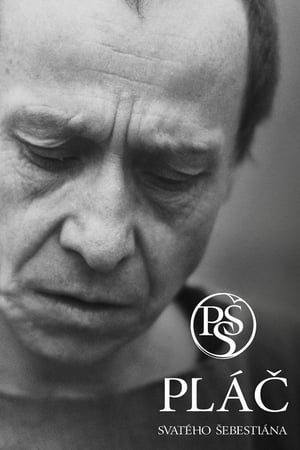
A historical film with balladic features set in 1348, when Europe was struggling with the greatest plague epidemic to date. The film strives to portray the Middle Ages as authentically as possible and to create a specific symbolic space in which ideas, dreams, and cultural archetypes are as tangible as beings and objects.
A young mouse named Fievel and his family decide to migrate to America, a "land without cats," at the turn of the 20th century. But somehow, Fievel ends up in the New World alone and must fend off not only the felines he never thought he'd have to deal with again but also the loneliness of being away from home.
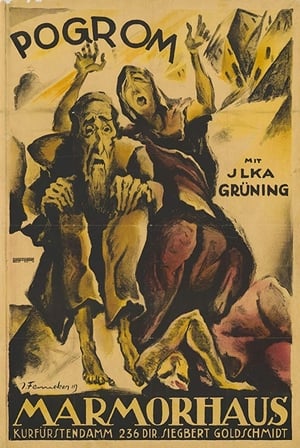
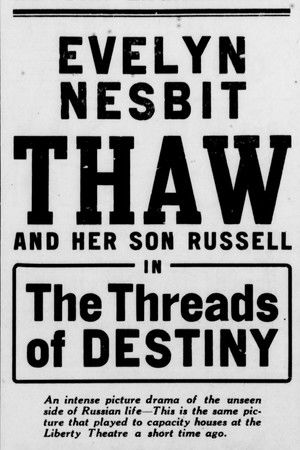
Ivan Mussak, the head of the Russian secret police, is responsible for the murders of thousands of Jews and the forced exile of thousands more. Isaac Gruenstein and his infant daughter Miriam are the only members of his family to survive one of Mussak's massacres, and Isaac is exiled to Siberia. Miriam, however, becomes Mussak's ward and is raised by nuns in a convent. Eighteen years later Isaac dies in Siberia, but before he does he writes a note to his daughter and gives it to fellow prisoner Rachel Shapiro, who manages to escape and, by chance, finds Miriam. However, circumstances have changed in the past 18 years--and Miriam is now Mussak's mistress.
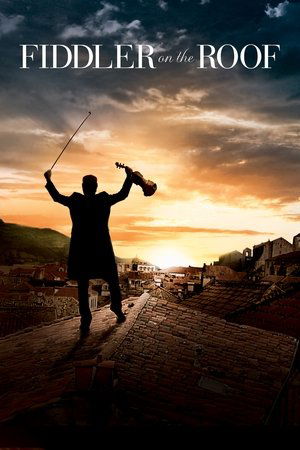
In a pre-revolutionary Russia, a poor Jewish milkman struggles with the challenges of a changing world as his daughters fall in love and antisemitism grows.
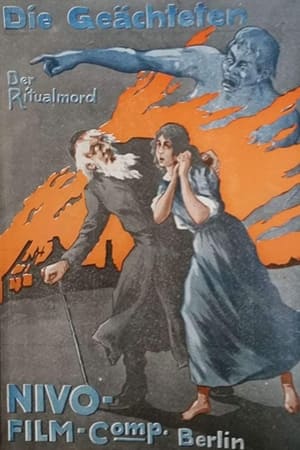
Die Geächteten
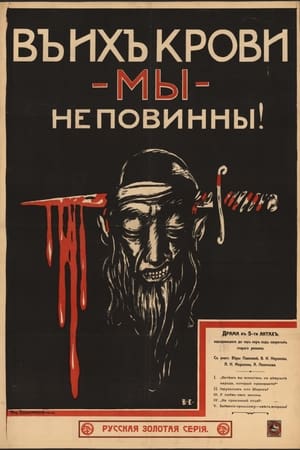
Pogrom
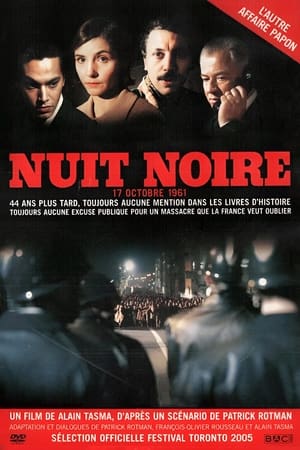
Parisian authorities clash with the Front de Libération Nationale (FLN) in director Alain Tasma’s recounting of one of the darkest moments of the Algerian War of Independence. As the war wound to a close and violence persisted in the streets of Paris, the FLN and its supporters adopted the tactic of murdering French policemen in hopes of forcing a withdrawal. When French law enforcement retaliated by brutalizing Algerians and imposing a strict curfew, the FLN organizes a peaceful demonstration that drew over 11,000 supporters, resulting in an order from the Paris police chief to take brutal countermeasures. Told through the eyes of both French policemen as well as Algerian protestors, Tasma’s film attempts to get to the root of the tragedy by presenting both sides of the story.
A Jewish family grapples with issues of identity as local prejudice turns to violence. Adaptation of Yevgeny Chirikov's 1904 play The Jews.
Respected businessman Otto Silbermann tries to escape with his wealth and drifts from train to train as his homeland becomes a cage and his identity dissolves.
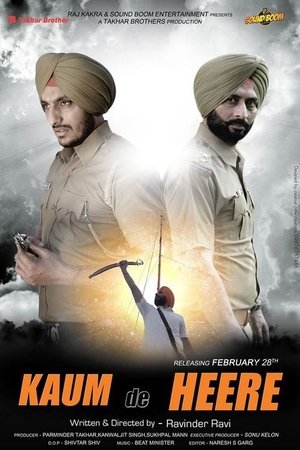
Militant bodyguards carry out the assassination of the Indian Prime Minister in 1984.
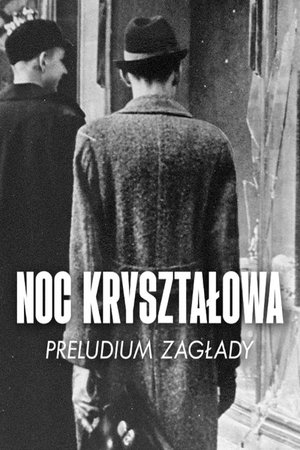
On the night of November 9-10, 1938, the Nazis initiated anti-Jewish violence throughout the German Reich. Hundreds of photographs and films rediscovered in archives provide insight into these pogroms. 30,000 Jews were deported to concentration camps. The November Pogroms mark a deeply disturbing event in German history that remains so to this day.
Images of Argentinian companies and factories in the first light of day, seen from the inside of a car, while the director reads out documents in voiceover that reveals the collusion of the same concerns in the military dictatorship’s terror.
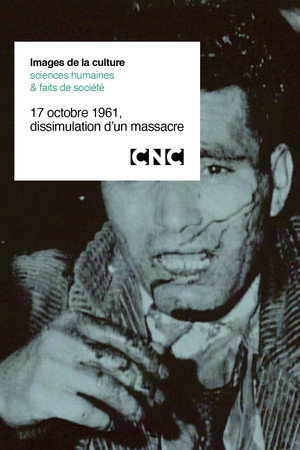
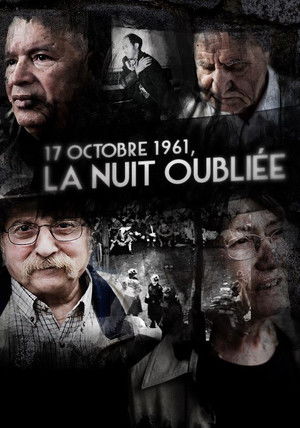
On October 17, 1961, in response to the curfew imposed on Muslim Algerians by Paris police prefect Maurice Papon, the FLN Federation of France organized a peaceful demonstration in the streets of the capital. The demonstration turned into a bloody crackdown: unprecedented violence, thousands of arrests, hundreds missing, and dozens dead. Today, much is known about the violence of that night: at least 200 Algerians were killed, beheaded, beaten, or thrown into the Seine; 11,500 others were arrested and often tortured. Hundreds were deported back to Algeria. Long silenced, the repression has been acknowledged thanks to the work of remembrance and eyewitness accounts.
On October 17 and 18, 1961, during a non-violent demonstration against the imposed curfew, dozens of Algerians were murdered in Paris by police officers acting on orders from their superiors. For forty years, this crime has been concealed; yet these events, the deadliest on French soil since the Second World War, resemble, in some respects, the darkest hours of the collaboration. Why has this history been hidden? Under what conditions, and in the name of what reasons, did officials of a democratic state conceal the scale and gravity of such events?
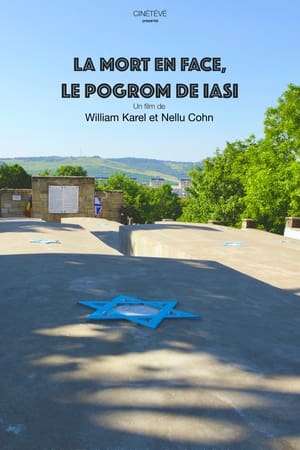
In Iasi, Romania, from June 28 to July 6, 1941, nearly 15 000 Jews were murdered in the course of a horrifying pogrom. At the time, the programmed extermination of European Jews had not yet began. After the war, the successive communist governments did all they could to ensure the Iasi pogrom would be forgotten. It was not until November of 2004 that Romania recognized for the first time its direct responsibility in the pogrom. All that remains of this massacre are about a hundred photographs taken as souvenirs by german and romanian soldiers, and a few remaining survivors.
Unpublished testimonies from freed hostages, survivors, and members of first responders regarding the attacks perpetrated on Israeli territory on October 7, 2023, by the terrorist gang Hamas reveal the repugnant extent of the crimes committed by the so-called Palestinian freedom fighters.
Fast Eddie Felson is a small-time pool hustler with a lot of talent but a self-destructive attitude. His bravado causes him to challenge the legendary Minnesota Fats to a high-stakes match.
Thomas Jerome Newton is an alien who has come to Earth in search of water to save his home planet. Aided by lawyer Oliver Farnsworth, Thomas uses his knowledge of advanced technology to create profitable inventions. While developing a method to transport water, Thomas meets Mary-Lou, a quiet hotel clerk, and begins to fall in love with her. Just as he is ready to leave Earth, Thomas is intercepted by the U.S. government, and his entire plan is threatened.
David Sumner, a mild-mannered academic from the United States, marries Amy, an Englishwoman. In order to escape a hectic stateside lifestyle, David and his wife relocate to the small town in rural Cornwall where Amy was raised. There, David is ostracized by the brutish men of the village, including Amy's old flame, Charlie. Eventually the taunts escalate.
Ramon Estella's nationalistic pre-war drama