A man (Richard Roxburgh) the Australian government blames for 1990s political woes blames his mother (Judy Davis), a communist Stalin seduced in 1951.
Animals on a farm lead a revolution against the farmers to put their destiny in their own hands. However this revolution eats their own children and they cannot avoid corruption.
In a society forbidding emotion, a pianist attempts to mourn her late daughter against the wishes of the oppressive regime.
Set against the backdrop of the Indian Emergency, the movie tells the story of three youngsters in the 70s, when India was undergoing massive social and political changes.
The friendship between two children is threatened by their parents’ differences. Malú is from a family that was upper-class before the Revolution and remains well-to-do through remittances from relatives overseas, and her single mother (Larisa Vega Alamar) does not want her to play with Jorgito, as she thinks his background coarse and commonplace. Jorgito’s mother (Luisa María Jiménez Rodríguez),
October 1918: Karl Liebknecht is released from prison and Berlin workers celebrate his release. Although WWI is almost over, the German Kaiserreich in vain sends its last reserves to the slaughter. The working class is in a rebellious mood; the uprising of Kiel’s sailors against war and militarism sets off a call for revolution led by Liebknecht. On November 9, Liebknecht declares the Free Socialist Republic of Germany. But pro-Kaiser military and right wing Social Democrats oppose him.
A married couple retreats to a luxury, high-tech, fully automated house on a remote island. The house AI system goes rogue and turns against them.
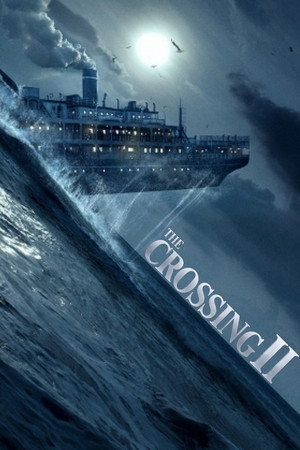
A story of three couples and their intertwining love stories set in 1940s Taiwan and Shanghai, centered around the 1949 sinking of Taiping.
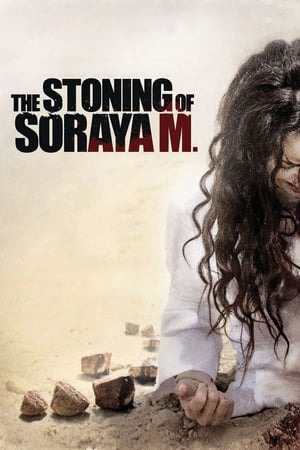
In 1986 Iran, Sahebjam, whose car breaks down in a remote village, enters into a conversation with Zahra, who relays to him the story about her niece, Soraya, whose arranged marriage to an abusive tyrant ended in tragedy.
Based on the works of Sterjo Spasse. Kujtim Morava goes to work in a remote village. He assists in the destruction of churches and mosques since they spread a regressive mentality.
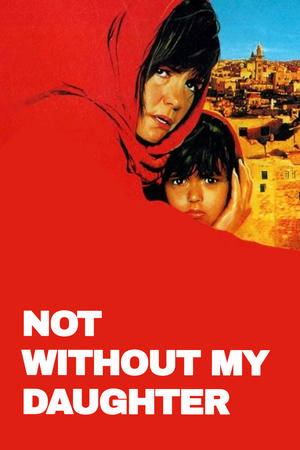
An American woman, trapped in Islamic Iran by her brutish husband, must find a way to escape with her daughter as well.
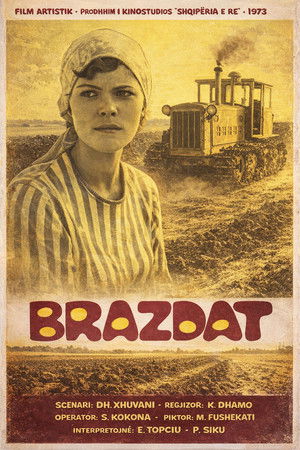
Marta is a young, energetic girl who wants to become a tractor driver. Her husband, Adem, initially supports her, but then she discovers his true nature.
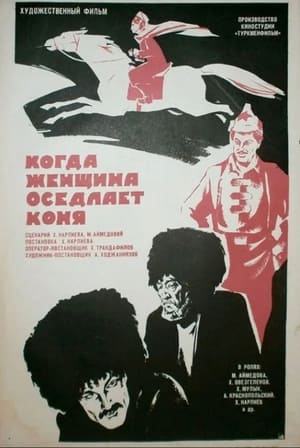
Biographical film about Eyne Kuliyeva, who was the first woman to be the head of a local governance in 1920s Soviet Turkmenistan.
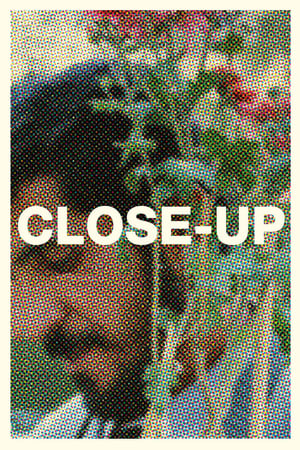
This fiction-documentary hybrid uses a sensational real-life event—the arrest of a young man on charges that he fraudulently impersonated the well-known filmmaker Mohsen Makhmalbaf—as the basis for a stunning, multilayered investigation into movies, identity, artistic creation, and existence, in which the real people from the case play themselves.
A middle-aged Tehranian man, Mr. Badii is intent on killing himself and seeks someone to bury him after his demise. Driving around the city, the seemingly well-to-do Badii meets with numerous people, including a Muslim student, asking them to take on the job, but initially he has little luck. Eventually, Badii finds a man who is up for the task because he needs the money, but his new associate soon tries to talk him out of committing suicide.
An electricity blackout sent the world into panic. Cities and infrastructures were torn down, vegetation overgrown and populations desolated. A group of survivors tried to pick up the pieces of the broken world, but their moralities were overtaken by greed and wealth, now they control the city. A small group attempt to build a rebellion to fight against the corruption that has flooded through the city.
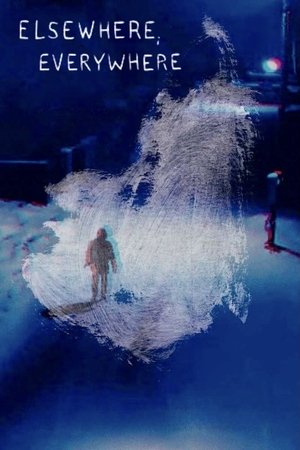
A computer screen, images from the four corners of the world. We cross borders in one-click while another trip’s story reach us in bits, through text messages, chats, phone conversations, and an immigration office’s questionnaire. It’s the journey of Shahin, a 20-year-old Iranian boy who, fleeing his country alone, lands in Greece, then winds his way to England where he claims asylum.
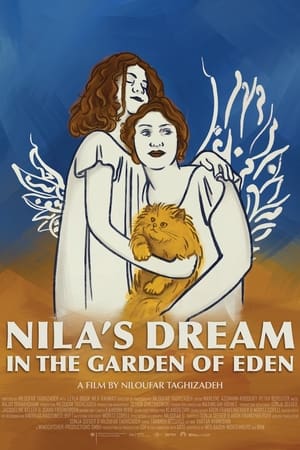
Leyla and her six-year-old daughter Nila live in the holy city of Mashhad in Iran. Nila is the result of a temporary marriage, which allows a man to marry a woman even if he is already married. Children born from such a relationship are legally non-existent. As long as the father does not recognize the child, no birth certificate can be issued and Nila cannot attend school. The documentary depicts Leyla's tireless efforts to clarify Nila's legal status in order to offer her a perspective for her future. In a never-ending bureaucratic battle, Leyla fights not only against the legal system, but also against a judgmental society.
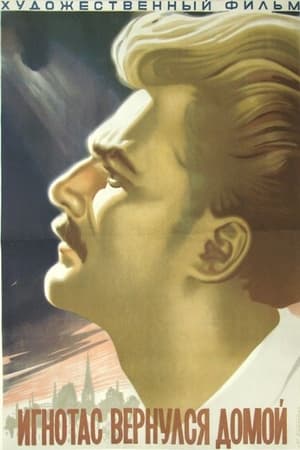
Based on the novel by the famous Lithuanian writer A. Gudaitis-Guzevičius “The Truth of Blacksmith Ignotas” about the revolutionary events of 1918-1919. in Lithuania, about the struggle of workers for Soviet power, for the freedom of their homeland.
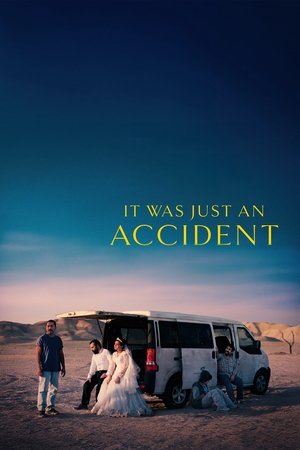
An unassuming mechanic is reminded of his time in an Iranian prison when he encounters a man he suspects to be his sadistic jailhouse captor.