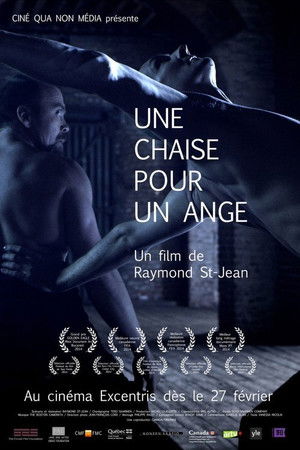
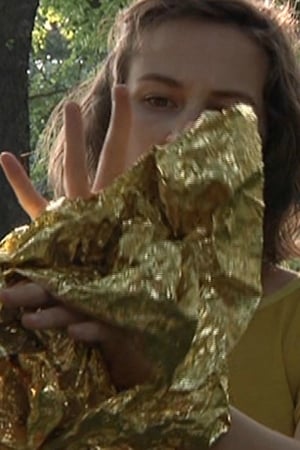
Pina Bausch created and performed Café Müller for her dance company Tanztheater Wuppertal. The dance was inspired by and based on her childhood memories of watching her father work at his café in Germany during and immediately following World War II. In this silent style featurette, Bausch shows a restaurant after closing, in which the ghosts of the departed customers stumble blindly into walls and onto chairs but fail to find one another.
Dance for All
The first woman to appear in front of an Edison motion picture camera and possibly the first woman to appear in a motion picture within the United States. In the film, Carmencita is recorded going through a routine she had been performing at Koster & Bial's in New York since February 1890.
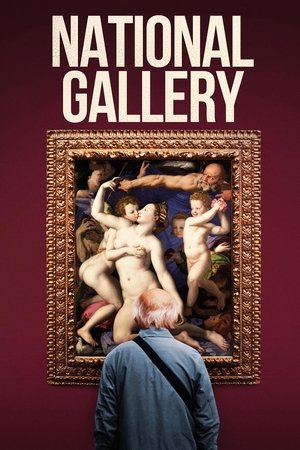
A portrait of the day-to-day operations of the National Gallery of London, that reveals the role of the employees and the experiences of the Gallery's visitors. The film portrays the role of the curators and conservators; the education, scientific, and conservation departments; and the audience of all kinds of people who come to experience it.
Filled with raunchy laughs, this documentary compiles outrageous scenes from sex-comedies that shaped Brazil's "pornochanchada" boom of the 1970s.
In this documentary Coutinho examines the plight of the people who live off the waste of the Brazilian cities. These people make their living by scavenging the immense urban garbage dumps searching for whatever they can find to sell as well as whatever they can find to eat.
Portrait of Lester Horton, a Los Angeles-based dancer, choreographer and teacher who trained many world-reknowned dancers and built the first American theater devoted permanently to dance. Former students and friends, including Bella Lewitzky, Alvin Ailey, and Carmen de Lavallade, help create a picture of Horton through interviews. Includes numerous dance excerpts.
A whimsical blend of live action and animation, "Saludos Amigos" is a colorful kaleidoscope of art, adventure and music set to a toe-tapping samba beat. From high Andes peaks and Argentina's pampas to the sights and sounds of Rio de Janeiro, your international traveling companions are none other than those famous funny friends, Donald Duck and Goofy. They keep things lively as Donald encounters a stubborn llama and "El Gaucho" Goofy tries on the cowboy way of life....South American-style.
Artfully erotic nudity with plush, glamorous décor and sensual, atmospheric lighting: The Crazy Horse, in the French capital’s well-heeled eighth district, has been delighting audiences for 70 years with its special brand of classy Parisian cabaret.
A panorama of Brazilian popular music from the 60s and 70s through the musical group Novos Baianos. A retrospective of the community lifestyle adopted by its members and the influence inherited from singer João Gilberto.
With the coveted glitter ball trophy once again up for grabs, how will series winner Chris Hollins fare against other celebrity favourites - including Austin Healey, Kelly Brook, Mark Ramprakash, Ali Bastian, and Natalie Cassidy? As they take to the stage alongside their professional partners including; Kristina Rihanoff, James and Ola Jordan, Brian Fortuna, Natalie Lowe and Ian Waite, in brand new breathtaking outfits and daring routines. They will need to impress judges; Len Goodman, Bruno Tonioli, Craig Revel Horwood and Arlene Philips. Who as always, are ready with quips, banter and razor-sharp observations!
A documentary that exposes the shocking truths behind industrial food production and food wastage, focusing on fishing, livestock and crop farming. A must-see for anyone interested in the true cost of the food on their plate.
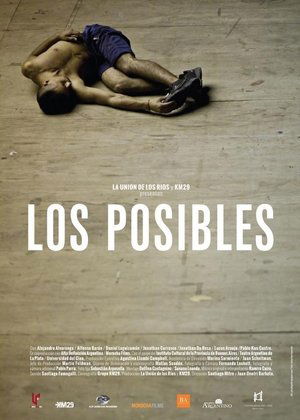
Santiago Mitre co-directs his first movement following The Student together with choreographer Onofri Barbato. Although it would have been more accurate to say “his first film-story-adventure-movie-great movie following The Student”, the word movement fits perfectly in Los posibles, the most overwhelmingly kinetic work Argentine cinema has delivered in many, many years. The film deals with the adaptation of a dance show directed by Onofri together with a group of teenagers who came to Casa La Salle, a center of social integration located in González Catán, trying to find some refuge from hardship. Already entitled Los posibles, the piece opened in the La Plata Tacec and was later staged in the AB Hall of the San Martín Cultural Center. Now, it dazzles audiences out of a film screen, with extraordinary muscles and a huge heart: Los posibles is a rhapsody of roughen bodies and torn emotions. Precise and exciting, it’s our own delayed, necessary, and incandescent West Side Story.
This documentary will explore the Afro-Caribbean dance, ‘whining’ alongside the practice of twerking to analyze respectability politics, pressures to accommodate whiteness, and gendered criticism of sexual expression within the Black diaspora. Using archival footage of West African dance, expert opinion from dancing and gender studies professors, and the active participation of partygoers in a dance experiment, Watkins will paint the picture of the defiance, autonomy, and ancestral veneration intrinsic to these traditional movement styles.
One of the most important events in Brazilian history, the Búzios Revolt of 1798 was led by dozens of black men who rose up to overthrow the colonial government, proclaim independence and establish a democratic Republic, free from slavery. The boldness of these men called on the people to make the Revolution and the conspiracy spread to the city of Bahia. The seizure of power is near. But the movement is denounced, the government sets up a Devassa against hundreds of people and four of them are hanged and quartered.
Moving Together is a celebratory love letter to music and dance that brims with kinetic life and energy. This documentary explores the intricate collaboration between dancers and musicians, moving seamlessly between Flamenco, Modern, and New Orleans Second Line.
Anma (The Masseurs) is a representative and historical work by the creator of Butoh dance, Tatsumi Hijikata in his early period in the 1960s. The film is realized not only as a dance document but also as a Cine-Dance, a term made by Iimura, that is meant to be a choreography of film. The filmmaker "performed" with a camera on the stage in front of the audience. With the main performers: Tatsumi Hijikata and Kazuo Ohno, the film has the highlights such as Butohs of a soldier by Hijikata & a mad woman by Ohno. There is a story of the mad woman, first outcast and ignored, at the end joins to the community through her dance. Inserted descriptions of Anma (The Masseurs) are made for the film by the filmmaker, but were not in the original Butoh. The film, the only document taken of the performance, must be seen for the understanding of Hijikata Butoh and the foundation of Butoh.
The film considers what it means to be free to move, not as in leave or flee, but to move. It explores the ability of the environments we live in – especially cities – to create the space people need to move. Shot in Freetown, Sierra Leone, it explores the power of the creative sectors in the city and their immense potential.
The senior year of a girls’ high school step team in inner-city Baltimore is documented, as they try to become the first in their families to attend college. The girls strive to make their dancing a success against the backdrop of social unrest in their troubled city.
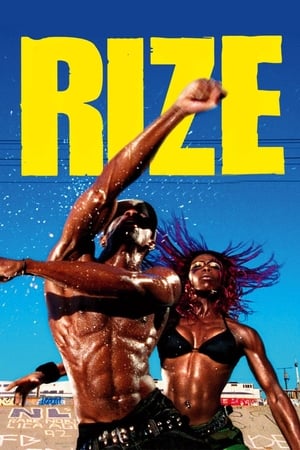
A documentary film that highlights two street derived dance styles, Clowning and Krumping, that came out of the low income neighborhoods of L.A.. Director David LaChapelle interviews each dance crew about how their unique dances evolved. A new and positive activity away from the drugs, guns, and gangs that ruled their neighborhood. A raw film about a growing sub-culture movements in America.