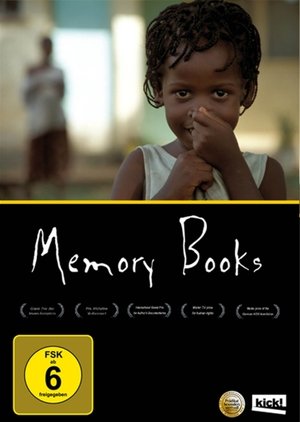
In Uganda, AIDS-infected mothers have begun writing what they call Memory Books for their children. Aware of the illness, it is a way for the family to come to terms with the inevitable death that it faces. Hopelessness and desperation are confronted through the collaborative effort of remembering and recording, a process that inspires unexpected strength and even solace in the face of death.
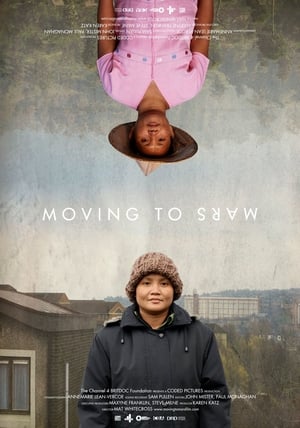
Moving to Mars charts the epic journey made by two Burmese families from a vast refugee camp on the Thai/Burma border to their new homes in the UK. At times hilarious, at times emotional, their travels provide a fascinating and unique insight not only into the effects of migration, but also into one of the most important current political crises - Burma.
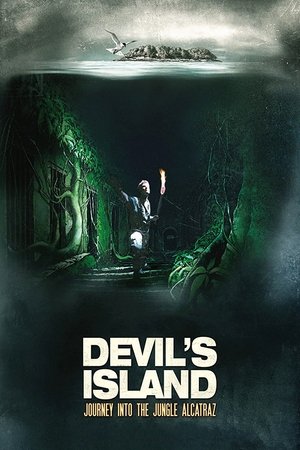
Imagine the prison of Alcatraz, only 10 times worse, built on tropical, hellish and deadly islands, lost to the rest of the world. Three tiny castaway islands rise away from the coast of French Guyana, in South America: The Devil's Islands. Now buried under an impenetrable jungle, lay the lost remains of what had been for a hundred years the most storied convict prison in history. There, while most of the prisoners faded into oblivion, a few became legends. Some because they were innocent, as in the scandalous Dreyfus Affair, some because they somehow escaped the islands of nightmare, as did the "butterfly", Henry Charrière, immortalized by Steve McQueen in Papillon. Now 50 years after the prison doors slammed shut for the last time, we explore what's left of the Devil's Islands' unbelievably dark and oppressive realm.
The last day in the tanzclub "Dschungel" at Winterfeldplatz, Berlin-Schöneberg. Located at the bar Slumberland, GoltzStraße. 24. It documents with single frame automatic one night from evening to dawn. Sounds from The Doors and Iggy Pop. "Dschungel" moved in 1978 to Nürnberger Straße 35 and became more glamorous and hip.
By the end of the seventies Tanzclub Dschungel moved from Winterfeldplatz, Berlin-Schöneberg to Nürnberger Straße, Berlin Schöneberg/Charlottenburg. A more glamorous venue.Tanzclub Dschungel at Nürnberger Straße, Berlin Schöneberg/ Charlottenburg was the place in Berlin. A relative of Studio 54 in NYC. But much more. Ask Nick Cave, Frank Zappa, David Bowie, Zazie de Paris, Mick Jagger, Prince, Grace Jones, Blixa Bargeld, Depeche Mode, Liza Minnelli, Iggy Pop, Bette Midler, Boy George, Sylvester Stallone, Hildegard Knef, David Hemmings, Michel Foucault, Claude Brasseur, Robert Mapplethorpe or Barbra Streisand.
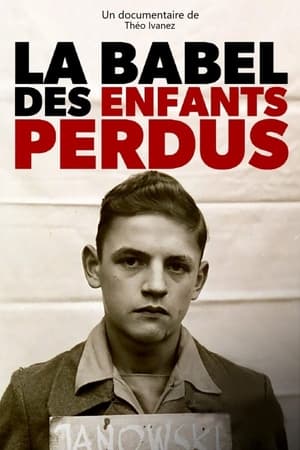
La Babel des enfants perdus
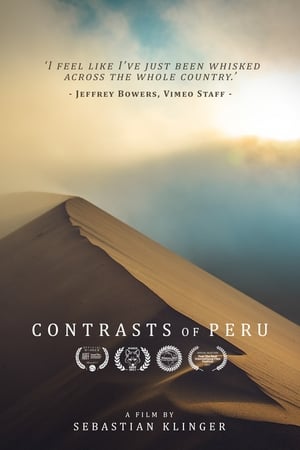
Peru is a country of many contrasts. From the cold waters of the Coast over the 6000 m high Andes to the unique biodiversity of the Amazon Jungle. Peru isn't only Machu Picchu. It's much more.
Ashley Bell and a team of elephant rescuers led by world renowned Asian elephant conservationist Lek Chailert, embark on a daring 48-hour mission across Thailand to rescue a 70-year old captive blind Asian elephant and bring her to freedom.
Prostitution is banned in Thailand, yet every year about 400,000 men from Germany travel to the Asian country. The so-called sex tourists spend a few nice days in the coastal city of Pattaya with bought "girlfriends" and thus circumvent the prostitution ban. Besides seemingly harmless sex meetings, however, there is also child prostitution, which has worsened especially since the Corona lockdown and also poses major problems for the police.
Every Day Is Mother's Day
Documentary about the city of Pattaya in Thailand, which is visited by thousands of Germans every year. Not only the weather attracts men to the coastal city...
Kinshasa, générations Matuidi
Ninlawan Pinyo is the matriarch of a Thai American family, who hustled for her fortune by founding a naem pork sausage factory in Chiang Mai, Thailand.
A film promoting orphan's cause.
Street art, creativity and revolution collide in this beautifully shot film about art’s ability to create change. The story opens on the politically charged Thailand/Burma border at the first school teaching street art as a form of non-violent struggle. The film follows two young girls (Romi & Yi-Yi) who have escaped 50 years of civil war in Burma to pursue an arts education in Thailand. Under the threat of imprisonment and torture, the girls use spray paint and stencils to create images in public spaces to let people know the truth behind Burma's transition toward "artificial democracy." Eighty-two hundred miles away, artist Shepard Fairey is painting a 30’ mural of a Burmese monk for the same reasons and in support of the students' struggle in Burma. As these stories are inter-cut, the film connects these seemingly unrelated characters around the concept of using art as a weapon for change.
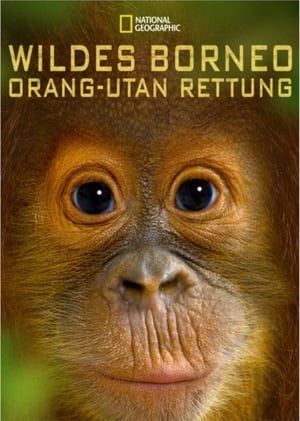
Orangutan Rescue - Back to The Wild
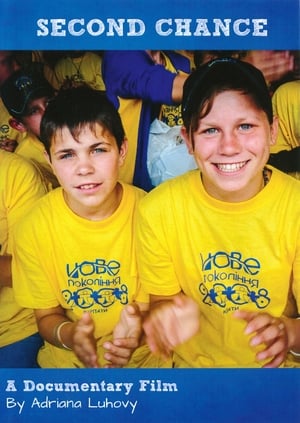
Second Chance tells a story of Ukrainian orphaned children and the Canadian volunteers who spend their summers working along side them. The film follows first time volunteer and filmmaker, Adriana Luhovy, as she learns about the children and becomes witness to their strengths and resilience. Converging in Yaremche in the Carpathian Mountains of Ukraine, over 500 orphaned children come together from all over the country. At first quiet and fearful, they learn to trust one another and their counsellors. By countering heartbreaking statistics - 60% of orphaned girls are trafficked within the first year of leaving the orphanage; 50% of boys end up in jail; 10% commit suicide - the volunteers are dedicated to making a difference in the lives of orphaned Ukrainian children.
The camera floats quietly to capture the beauty that emerges from the mundane. Accompanied by Ryuichi Sakamoto's composition, Arseny Tarkovsky's poem celebrates life.
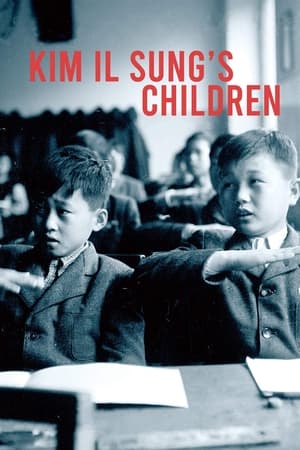
From 1950 to 1953, one hundred thousand children were orphaned by the Korean War. With no resources to mend the wounds, the two sides, North and South, took different paths to find homes and families for the war orphans. While the children of South Korea were sent to Europe and the United States through ‘International Adoption’, the children of North Korea were distributed across Eastern Europe through a method called ‘Commissioned Education’. As a result, more than five thousand children from the North had to spend nearly a decade living in foreign lands across Eastern Europe. This story is a record of their lives, which used to be kept hidden from the rest of the world. There is a key to understanding how North Korea's closed political structure began and how the ‘Juche ideology’ was formed in this documentary movie. Understanding North Korea in the 1950s is an important way to understand North Korea at present.
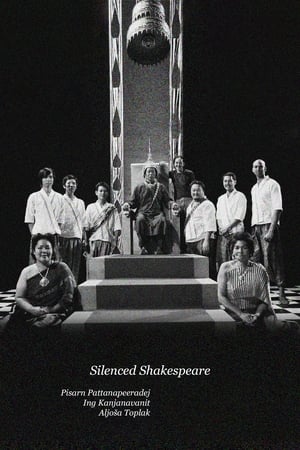
After a 25-year battle with Thai censorship, a filmmaker discusses the value of art in society.