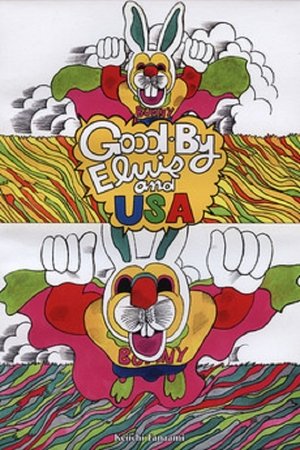
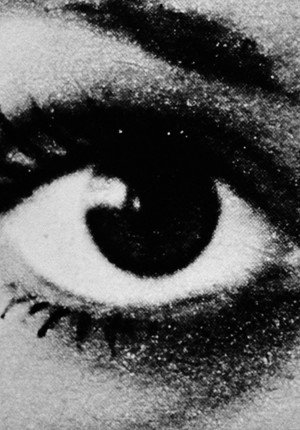
A trippy pop-art collage of phallic objects, naked women and American icons, most notably Elvis Presley.
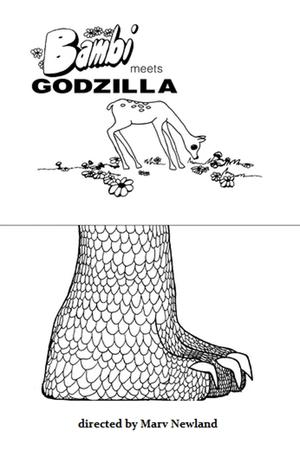
A deer, disillusioned by the consumerism that defines his life. A lizard, ostracized from society, forever wandering. A chance meeting in the middle of a field. Who will survive? And who will transcend existence? Preserved by the Academy Film Archive in 2009.
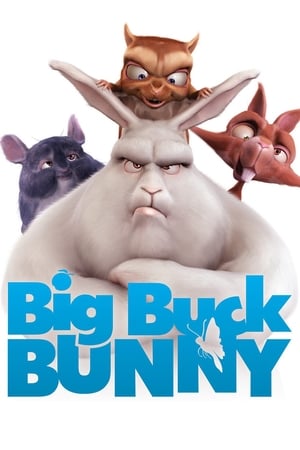
Follow a day of the life of Big Buck Bunny when he meets three bullying rodents: Frank, Rinky, and Gamera. The rodents amuse themselves by harassing helpless creatures by throwing fruits, nuts and rocks at them. After the deaths of two of Bunny's favorite butterflies, and an offensive attack on Bunny himself, Bunny sets aside his gentle nature and orchestrates a complex plan for revenge.
"All sounds travel in waves much the same as ripples in water." Educational film produced by Bray Studios New York, which was the dominant animation studio based in the United States in the years surrounding World War I.
Enter Hamlet is a collage of images in cartoon form of a word put in balloon in each jump-cut scene as that word is said by the narrator Maurice Evans during his “To be or not to be…” soliloquy recording.
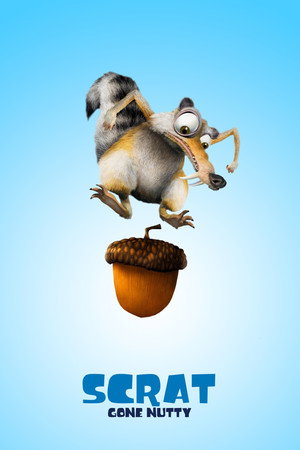
Scrat tries to finish his rather large collection of acorns when things start going nutty.
A man is trapped in a sinister flat, where nothing seems to obey the laws of nature.
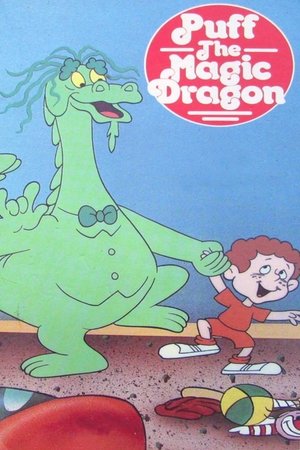
Jackie is a boy who is so trapped by his fears and doubts that he could not communicate with anyone. Then, a magic dragon named Puff comes to help Jackie by taking his soul force on a wonderous voyage to his island of Honah Lee. Along the way, they have adventures that nurture Jackie's imagination and courage in unorthodox ways.
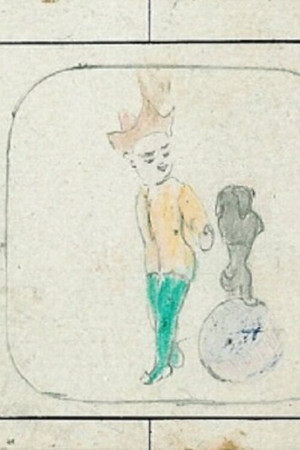
Short film of 300 individually painted images. A lost film.
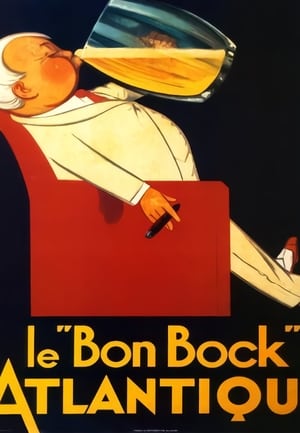
One of the first animated short films. A wanderer enters a cabaret in the countryside and asks a waitress for a beer. She comes back with a pint, as the wanderer begins to court her. However, the kitchen boy comes, drinks the beer and vanishes. The wanderer, misunderstanding, asks for another beer. Then a traveler enters and has an argument with the wandered. During the argument, the kitchen boy appears, sips the second beer and runs away. As the traveler quits, the customer finds his glass empty again. He calls the waitress, expresses his disappointment and leaves. The kitchen boy comes in and explains to the waitress what he did with the two beers. They make fun together of the wanderer and leave. A lost film.
This is a film about a man without a face. His arms and legs, bound with ropes, the disabled man is still without even a shudder in a white room. A series of unusual scenes in this room expresses what lies between memories, nightmares, and violent images.
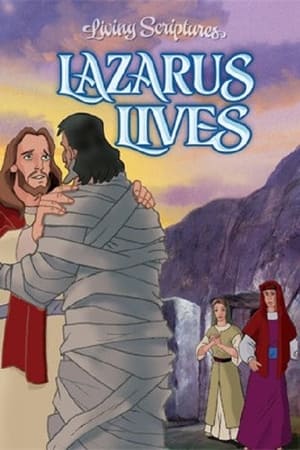
Mortals’ greatest fear is the fear of death. Lazarus Lives gives assurance that Jesus has all power over death. Jesus mourns Lazarus’ death and His friends witness the deep love He has for His friends. Martha and Mary’s tears of sorrow change to joy when their brother Lazarus’ life is restored and they understand the Savior’s promise of eternal life to all who believe in Jesus.
A short film advertising the newspaper Sztandar Młodych (The Banner of Youth), noteworthy for its abstract elements painted directly onto film stock. An attempt at showing the complexity of the world in a capsule, the film reflects the new policy of the openness to the West during the Thaw of the late 1950s in Poland.
Second Wind
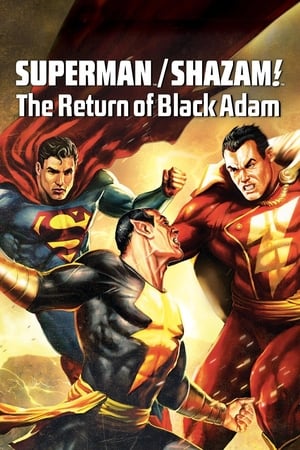
Chosen the world’s protector against the Seven Deadly Enemies of Man – pride, envy, greed, hatred, selfishness, laziness and injustice – young Billy Batson accepts his destiny as Captain Marvel. Battling alongside Superman against nefarious Black Adam, Billy soon discovers the challenge super heroes ultimately face: is it revenge or justice?
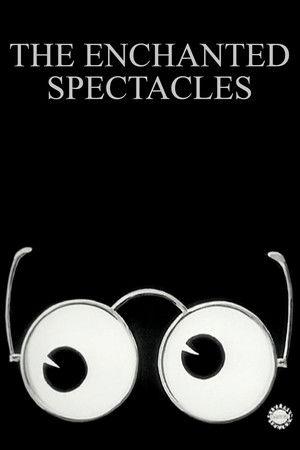
A parlor full of bon vivants pass around an enchanted pair of spectacles that “reveal the personality and pleasures of the one who wears them.”
“If abstract films are really abstract films… they deal exclusively with those abstract relations that can be expressed in terms of shape and motion” wrote Robert Fairthorne in Film Art in 1936. A mathematician and information scientist, Fairthorne saw aesthetic potential in an animation made as a teaching aid by Salt, and proposed this collaboration. (Tate.org.uk)
This subject portrays in a vivid manner the operations of a puppet in his efforts to see the sights.
This subject presents a remarkably clever series of illusions in which a Japanese lantern, several dolls, chickens, mice and grasshoppers play a very prominent part.
There have been numerous studies of plants and flowers presented to the public, but none which exhibit the perfection of stereoscopic detail. The various plants have been photographed against black backgrounds and are carefully colored. In addition, the various groups were made to revolve during the time of exposure and thus show a succession of lights and shadows which produces the relief which adds so greatly to a picture. (Moving Picture World)