Michel is the charismatic subject of this documentary about following your sex drive. Sharing unique life experiences with great verve, an aging lothario strikes an honest and simply unforgettable pose.
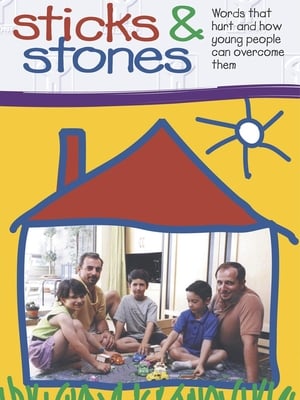
This short documentary features children aged 5 to 12 talking about their experiences with bullying and discrimination because they or their families do not fit into traditional gender and family roles. This film explores the contemporary diversity of families from kids' points of view, while featuring short animated sequences about the history of derogatory slang.
This short documentary explores homophobic language and its consequences among teenagers. Name-calling and cruel language hurt, say the teens who speak in this video. Homophobic language is a common verbal put-down among young people, but many adults feel uncomfortable responding. This video is a tool for teachers, counsellors and youth groups to explore the origins of the words, how young people feel about them and how to overcome the pain they cause.
A work produced for the Morimura Yasumasa Exhibition at the Yokohama Museum of Art, (April 6 to June, 1996). It was shown in an old-style theater constructed within the exhibit space that featured photographs of Morimura playing famous foreign and Japanese actresses.
While non-binary representations are rare, Lou talks about their relationship to gender, clothes, and other markers.
Putito is a production with no specific genre, where reality and fiction blend through a testimony written by José Carlos Henríquez - a feminist activist and male prostitute who plays himself in the project. Available in a censored and uncensored version.
Fifty years on from the partial decriminalisation of homosexuality in the UK, this BBC Two documentary explores how safe it is to be gay in Britain today. With homophobic hate crime on the rise, this film takes a 360 degree look at the issue, hearing from the victims, their families and the police. What makes someone attack another person because of their sexuality? How do victims deal with these unsolicited and unprovoked assaults? And what are we doing about this in Britain in 2017?
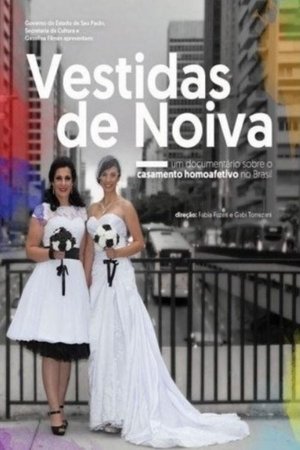
A personal documentary about gay marriage in Brazil that focuses on the filmmaker Fábia Sartori Fuzeti, who opens the film by proposing to her partner Gabriela Torrezani. The movie follows their footsteps from that moment until their big day. At the same time, it explores the lives various gay and lesbian couples that got tied the knot since the Brazilian Supreme Court legalised gay marriage in June 2011.
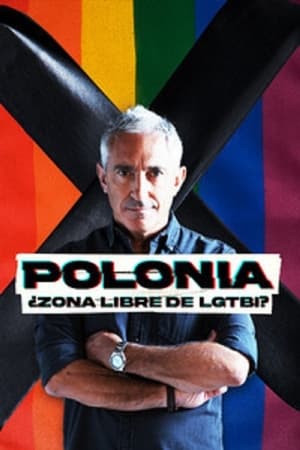
Jon Sistiaga takes an immersive trip to Poland, a country divided into two zones: on the one hand, the urban and pro-European, and on the other, the rural and ultra-Catholic, still anchored in the traumas of the war and the post-war period. Is Poland a homophobic country or does it have a homophobic government? How does the European Union allow this situation?
Examining the relationships between brother and sister, hetero and queer, male and female, this video weaves a provocative discussion between a Black lesbian and her straight brother. In an eloquent examination of desire and denial, Jocie attempts to make her brother acknowledge the violent face of homophobia recounting a time when she was attacked. Frankie candidly tells his sister about his own disempowering experiences as a Black man and recounts the time he tried to seduce her former lover. A candid and brilliant dialogue between family members.
Here, where even monsters are political, the topography has its own memory. It has the mythological blues. Meanwhile, old gods are upset with us, and I am upset with my father.
Berlin queer community members mourn the substance abuse-related loss of their friends by sharing memories and rituals. Resembling glow-in-the-dark fungi, they radiate light together as a network of support and care.
An investigation of how Hollywood's fabled stories have deeply influenced how Americans feel about transgender people, and how transgender people have been taught to feel about themselves.
The tenth edition of Polish Pride parades a colorful trail of rainbow flags through the streets of Warsaw. Along the route, Antek and his friends line up to warn of the “pink threat” in prayer and edifying hymns. As traditional Catholics, he and his Brotherhood hold deeply conservative views: sex before marriage is out of the question, homosexuality can be cured, abortion is a great evil and Poland is for the Poles. His sister thinks his homophobic ranting is pointless, because in a few years the planet will be destroyed anyway as nobody is doing anything about climate change.
This searing investigative work shadows a group of activists risking unimaginable peril to confront the ongoing anti-LGBTQ program raging in the repressive and closed Russian republic. Unfettered access and a remarkable approach to protecting anonymity exposes this under-reported atrocity–and an extraordinary group of people confronting evil.
A nuanced portrait of a new generation, Dear Thirteen is a cinematic time capsule of coming of age in today’s world. Through the eyes of nine thirteen-year-olds, we see how pressing social, geographical and political challenges are shaping, and being shaped by, young people: rising anti-Semitism in Europe, guns in America, gender identity and racial divisions across Australia and Asia. With no adult commentary outside the filmmaker, Dear Thirteen offers an intimate view into the universal uncertainty inherent in growing up.
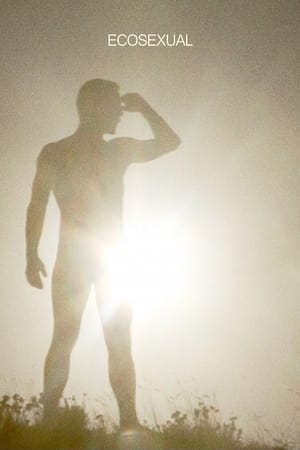
Ecosexual is a poetic monologue set in the Portuguese Mediterranean coast in Algarve about loving and making love with nature. It presents the male body as erotic object and as thinking, feeling subject. Through the senses of taste, touch, smell and sight, the protagonist loses himself in a communion with the natural world.
An indictment of closeted politicians who lobby for anti-gay legislation in the US.
Redheads. Fire crotches… This film collects samples of their testimonials and their body hair and skin. About being different genetically, about gay gingers, doubly in a minority, from Ireland to Israel to Brazil. A film made especially for ginger lovers.
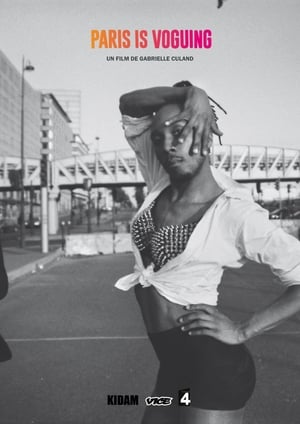
Born in Harlem between the '70s and' 80s, Voguing is a dance inspired by the models that appeared on Vogue magazine. At the time of its birth, young homosexuals, transgender and drag queen were Afro-American and Latino and they would confront themselves in improvised parades, to which Madonna and other popular singer-songwriters would later refer to. In the Paris of the years 2000s, Lasseindra Ninja is one of the most popular dancers, having learned in her youth all the tricks from the historic New York House of Ninja crew. Together with Stéphane Mizrahi the two initiate a new generation of drag queen and Parisian trans into Voguing.