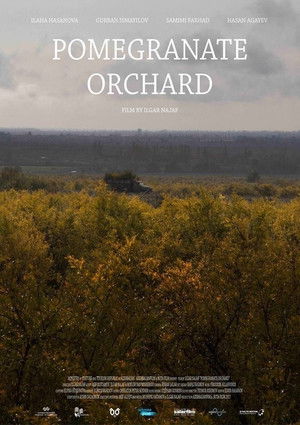
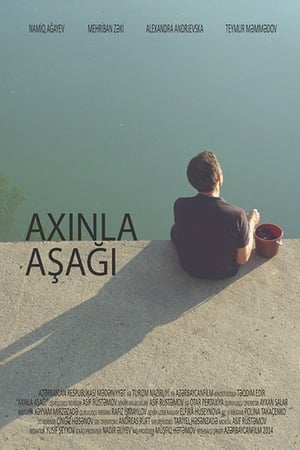
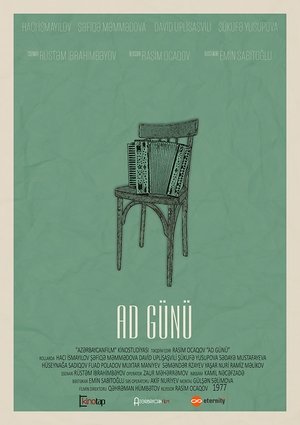
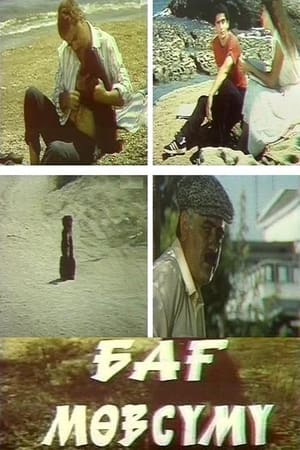
Inspired by Anton Chekhov's The Cherry Orchard, the film follows a prodigal son who returns after 12 years. His reappearance at the family home in rural Azerbaijan significantly alters their way of life.
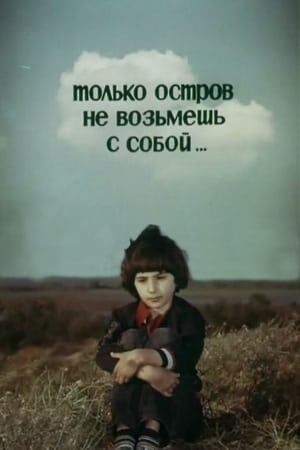
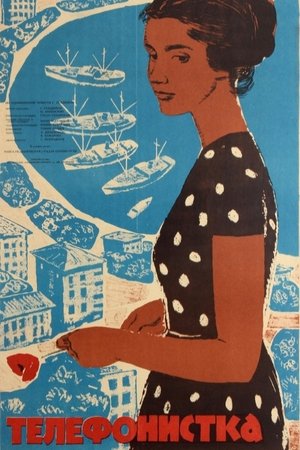
A young girl is trying to save an island which is endangered by nearby construction.
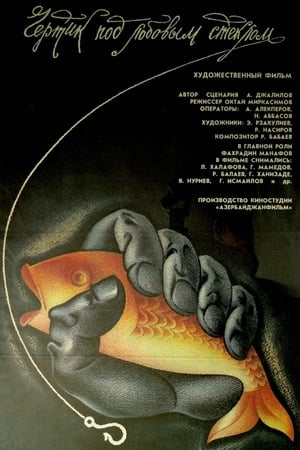
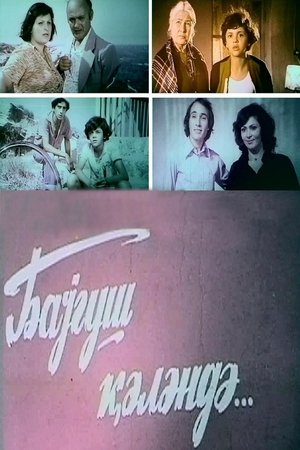
Film exposes the corruption and the decadence of the late Soviet bureaucracy in Azerbaijan SSR through the eyes of a naive Azerbaijani adult man, Hatem.
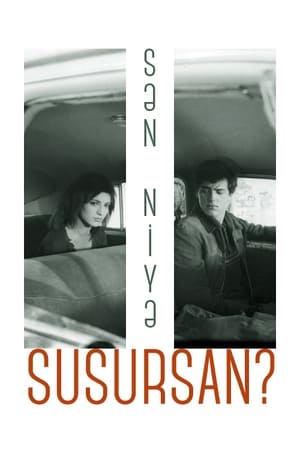
This Azerbaijani romantic drama depicts the love affair between Zaur, a man from an affluent family, and Tahmina, a divorced woman doing her best to survive in a conservative society.
Psychological drama about a university dean who leads a double life.
War breaks out in the Caucasus. 75-year-old Maria loses her son in the war. She and her daughter-in-law Sofia have been living in the Caucasus for 12 years. When famine strikes, they want to move to Russia. The women decide that they must go to Moscow. Maria takes her little dog and Sofia her small suitcase, gets on the train and sets off. In the next compartment, photojournalist Alexander is also traveling. Sofia and Alexander love each other. Maria realizes at one of the stations near Volgograd that she cannot live without the Caucasus. She writes a letter to Sofia and leaves the train with her dog...
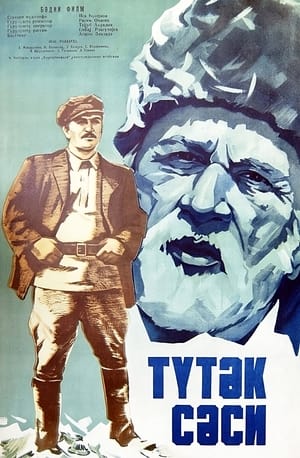
The story is set during an upsurge in the Nagorno-Karabakh conflict and revolves around an old, sick ex-forestry worker and his wife Nabat, whose son has died in battle.
The film portrays the life of the legendary Azerbaijani guerrilla of the Second World War Mehdi Huseynzadeh, who fought the Nazi forces in the present-day Italy and Slovenia, hence the film's name On distant shores referring to the Adriatic Sea.
While looking for a job, a group of people end up in a private residence where they are forced to become dogs.
The film is about famous Chechen ballet and folk dancer Mahmud Essembayev's life.
Matteo Falcone is an Azerbaijani short drama film based on Prosper Merimée's like-named story from 1829. Matteo Falcone is a successful Corsican, who lives with his wife Giuseppa and 10-year-old son Fortunato. One day he leaves home with Giuseppa, leaving Fortunato alone.
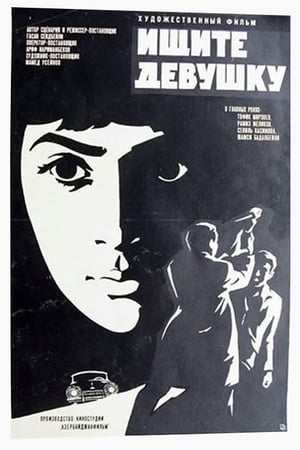
The investigator Seyfi Ganiyev runs the case of an illegal mercery shop's head Murad Abiyev, who confessed in embezzlement of one million rubles from public funds. Abiyev is also accused of the murder of an underage girls that occurred in Riga shortly after Abiyev saw her. He denies his guilt, but does not name the perpetrators though he knows them, despite the fact that he is facing the death penalty. The investigator understands that some high-ranking officials stand behind Abiyev, but he has no proof. Ganiyev seeks to obtain from the prisoner the whole truth to bring the criminals to justice.
Religiously themed early Soviet propaganda film in Azerbaijan against Islam. Unlike earlier propaganda films in the region, this was actually made by an (nearly) all Azeri cast and crew and directed by an Azeri filmmaker that would go on to be famous amongst his own people, despite his early collusion with the new ruling government. At the center of the film is a greed Molla (holy man in Azeri Islam) who has been cheating one of the local peasants for years out of all types of goods and services, and then delighting over his success in an very un-religious, specifically un-Islamic, way. Once the Revolution takes place and the Bolsheviks arrive, the peasant is empowered and realizes the deception on the part of the Molla and takes him to the newly set up "People's Court," where is finds justice and the Molla is punished.
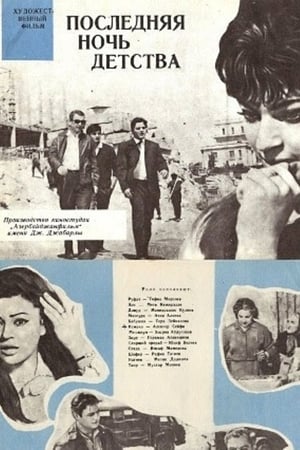
Murad, a young man fails the entrance exam to the Institute and starts working at the meat factory. His cousin Rustam, a worker on a building site, fights with him against the dishonest people who sell pieces of meat from the factory. After a series of dramatic situations, Murad and Rustam manage to uncover the thieves.
A journalist is investigating a group of poachers who are illegally selling the huge amounts of fish
In a Azerbaijan, in the beginning of this century, the first films made in the history of cinema are shown.The characters meet each other in a room. Three characters who will witness the linking up of their destinies through their common love for this new captivating art.
Two men shipwrecked on an island in the Caspian Sea are saved by members of a collective farm, where they work on its fishing boats and woo the young woman leading the fishermen.
During the late 1980s and early 1990s the Armenian minority in Nagorono-Karabakh attempted to break away from Azerbaijan, one of the former Soviet republics. Overnight these former neighbors became enemies, and simple village folk were suddenly made hostages in a complex power game. One of the Azerbaijani villages right on the border is home to the family of the peasant farmer Kerim, who has just been captured by the Armenians. The village council decides to take an Armenian in order to arrange a hostage exchange. They imprison the wounded man in the barn next to Kerim's house, where his wife and three children desperately await the husband's return. The captive from the other side of the border finds himself in exactly the same situation - he, too, has three children, he finds it hard to scrape a living together, he has never done anything to harm anyone and, like Kerim, he just wants to go back home. But life in Karabakh is far more complex now. Blood calls for blood.
The plot of the film is taken from the legend of the Azerbaijan Maiden Tower. According to legend shirvanshah fell in love with his daughter and wanted to marry her. Learning of this daughter Shirvanshah jumped from the top of the tower in the Caspian Sea.
Murad, a young man, lives by the old ethical norms that are still valid in the suburbs of his city. He had promised Tofig, his childhood friend, to give him his sister as a wife, but Tofig is in love with another girl. He forgets the promise and takes the girl home. Murad is offended. According to the code of honor, he must take revenge. One of the first films ever produced in the Soviet Union to challenge the sociopolitical establishment.