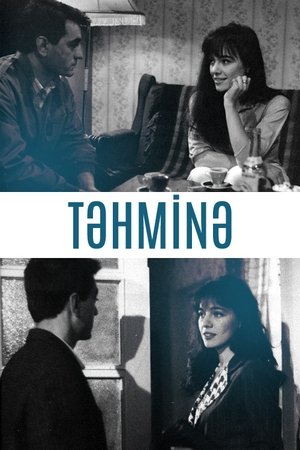
This Azerbaijani romantic drama depicts the love affair between Zaur, a man from an affluent family, and Tahmina, a divorced woman doing her best to survive in a conservative society.
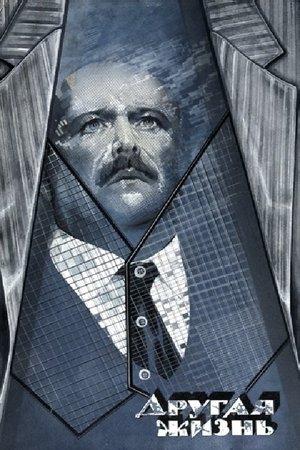
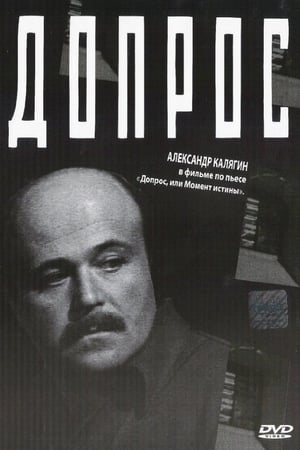
Psychological drama about a university dean who leads a double life.
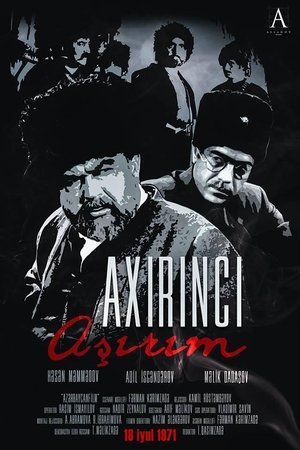
Based on a novel by Farman Karimzade, the movie shows the life in an Azerbaijani village under the Soviet rule in 1930s. Here two former "beys" (land owners) are opposing each other. One is loyal to the ideology of the past and can't reconcile himself to the new power, to second rejects the past and accepts the power of the Bolsheviks, believing that it will establish justice.
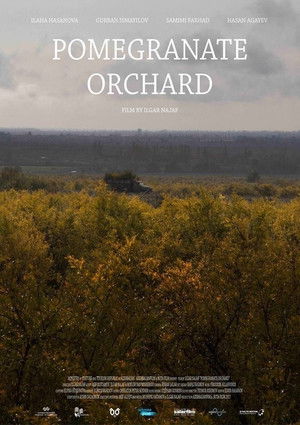
Inspired by Anton Chekhov's The Cherry Orchard, the film follows a prodigal son who returns after 12 years. His reappearance at the family home in rural Azerbaijan significantly alters their way of life.
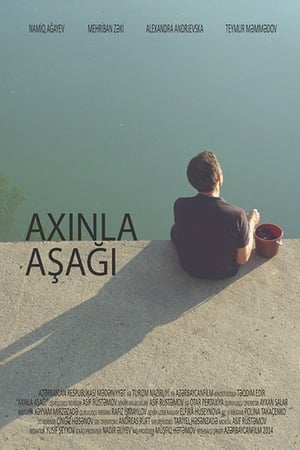
Young Ruslan rows for a team coached by his father Ali, who places many demands upon his son and is continually dissatisfied by his performance. But when tragedy strikes, his father is overcome with emotions he doesn’t know how to deal with. Debut director Asif Rustamov treats the heavy topic with remarkable subtlety and discretion, emphasizing the characters’ carefully elaborated psychology.
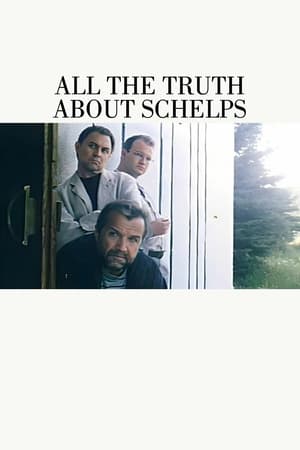
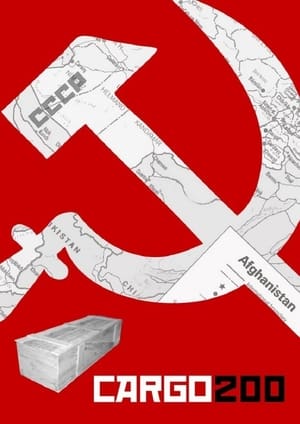
Three men are united around the coffin of a woman they have never seen before. They have been summoned to the morgue by their old school-friend, now a factory boss, who promised the old, lonely lady a decent funeral.
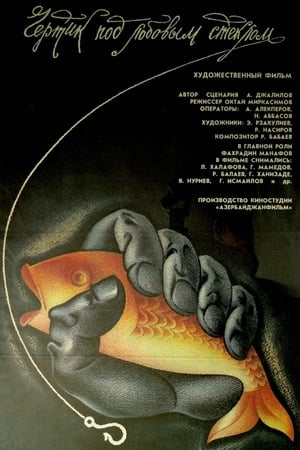
A journalist is investigating a group of poachers who are illegally selling the huge amounts of fish
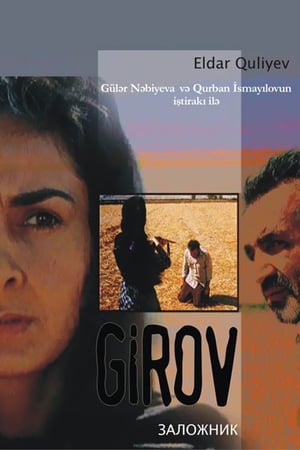
During the late 1980s and early 1990s the Armenian minority in Nagorono-Karabakh attempted to break away from Azerbaijan, one of the former Soviet republics. Overnight these former neighbors became enemies, and simple village folk were suddenly made hostages in a complex power game. One of the Azerbaijani villages right on the border is home to the family of the peasant farmer Kerim, who has just been captured by the Armenians. The village council decides to take an Armenian in order to arrange a hostage exchange. They imprison the wounded man in the barn next to Kerim's house, where his wife and three children desperately await the husband's return. The captive from the other side of the border finds himself in exactly the same situation - he, too, has three children, he finds it hard to scrape a living together, he has never done anything to harm anyone and, like Kerim, he just wants to go back home. But life in Karabakh is far more complex now. Blood calls for blood.
While returning to Leningrad from a visit to his brother, Professor Artyom's car breaks down and he finds assistance at an isolated farmhouse occupied by Alexey, his wife, a Vietnamese laborer, and a stranger who wanders around the farm. When his car is repaired, Artyom leaves, drunk on moonshine, and students Valera and Angelika arrive. After Valera gets drunk, the stranger abducts Angelika.
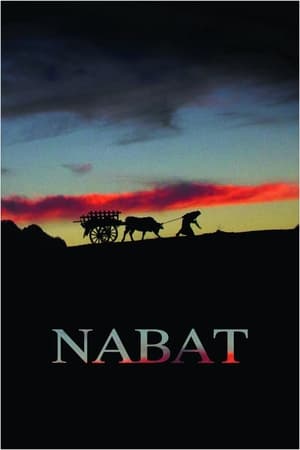
The story is set during an upsurge in the Nagorno-Karabakh conflict and revolves around an old, sick ex-forestry worker and his wife Nabat, whose son has died in battle.
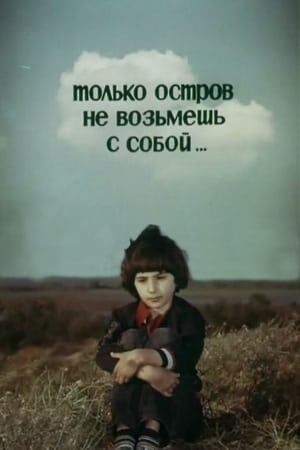
A young girl is trying to save an island which is endangered by nearby construction.
Too old grandpa is being celebity by news maker who came from centre. But then he recollected something weird things about his missus .
The film is about dramatic revolutionary events happened in 1918 in Baku.
A historical revolutionary film depicting the struggle of peasants and the Baku proletariat against landowners and Musavatists in 1919.
This film was based on Samad Vurgun's "Komsomol poem". Seven sons, like seven samurai become the seven komsomols (communist leaders) who were sent to a village to establish Soviet power. Seven sons become the romanticized images of people's heroes ready to take revenge.
Murad, a young man fails the entrance exam to the Institute and starts working at the meat factory. His cousin Rustam, a worker on a building site, fights with him against the dishonest people who sell pieces of meat from the factory. After a series of dramatic situations, Murad and Rustam manage to uncover the thieves.
Childhood friends Ahmet and Nuri, the sons of poor farmers, grew up together, studied together, and worked together in a factory. Together, they publish the magazine Light, which opposes the colonial policies of foreign capital and military pacts. After their first imprisonment, the friends' paths diverge: Nuri betrays his convictions and joins a reactionary newspaper. His life is now safe, but he finds no joy or peace. Meanwhile, Ahmet, having become one of the main enemies of the reactionaries, attracts more and more patriots to his side.
Dedicated to the development of the oil industry of Soviet Azerbaijan in the background of the first half of the twentieth century, including their selfless work in strengthening the economic and military might of the USSR.
Film exposes the corruption and the decadence of the late Soviet bureaucracy in Azerbaijan SSR through the eyes of a naive Azerbaijani adult man, Hatem.
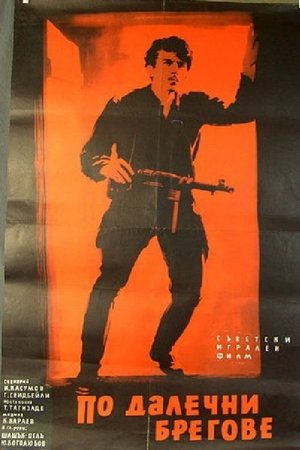
The film portrays the life of the legendary Azerbaijani guerrilla of the Second World War Mehdi Huseynzadeh, who fought the Nazi forces in the present-day Italy and Slovenia, hence the film's name On distant shores referring to the Adriatic Sea.