Olympic Champion, Kiwi Icon, Tongan Leader, Orphan, Mother...winning was just part of the journey.
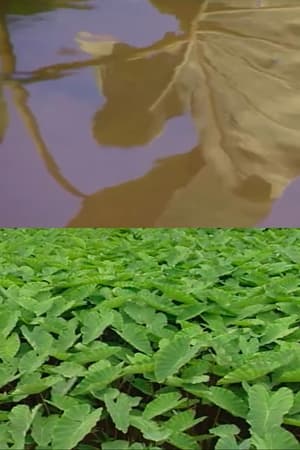
Kalo (taro) production on each of the major islands of Hawai'i circa 1994. Meet the amazing people who love and continue to cultivate taro on lo'i that in some cases has been in the family for generations and centuries! Young, old, and family growers on Maui, Moloka'i, Hawai'i, O'ahu, and Kaua'i islands. Includes history/culture of kalo, Issues related to land and water, uses of kalo, and prospects for the future.
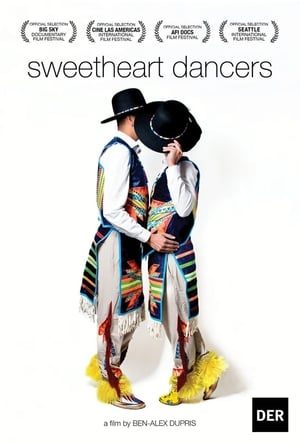
Sean and Adrian, a Two-Spirit couple, are determined to rewrite the rules of Native American culture through their participation in the “Sweetheart Dance.” This celebratory contest is held at powwows across the country, primarily for heterosexual couples … until now.
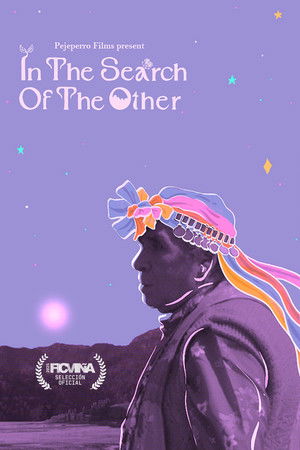
In 1995, the Chilean state made a grave mistake when it detained Marcelina (68), an Indigenous spiritual authority, a machi of the Mapuche people. The police stripped her of her jewelry and traditional clothing and sent her to a men’s prison despite her identifying as a woman. She was unjustly accused of murdering a patient through witchcraft, triggering feelings that led her to leave her community, even after her innocence was proven. Thirty years later, Cons (34) delves into her story—into a world foreign to her—confronting lessons and prejudices she had never known.
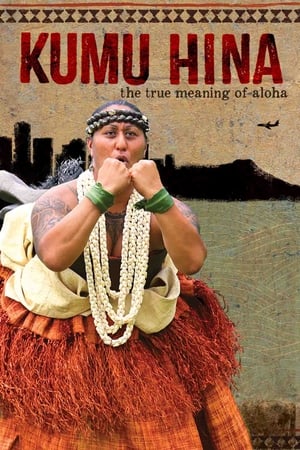
A powerful film about the struggle to maintain Pacific Islander culture and values within the Westernized society of modern day Hawaiʻi. It is told through the lens of an extraordinary Native Hawaiian who is both a proud and confident māhū, or transgender woman, and an honored and respected kumu, or teacher, cultural practitioner, and community leader.
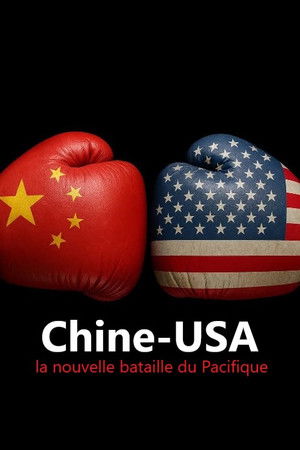
Chine-USA : la nouvelle bataille du Pacifique
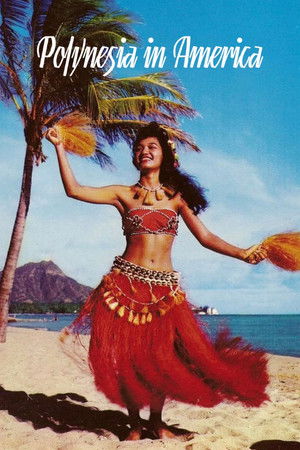
A look at the then brand-new Polynesian Cultural Center in Oahu, Hawaii . Established by the Mormons, the Center attempts to explain the indigenous cultures of Polynesia, New Zealand, Tonga, Fiji, Samoa, Tahiti, and Hawaii.
Océania, les gardiens de l'océan
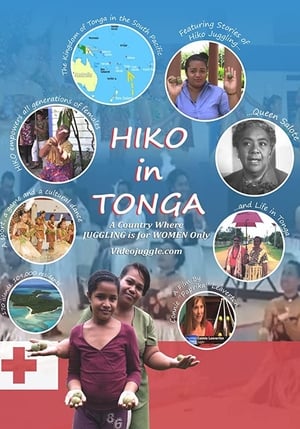
A multi-generational film of a unique, vanishing culture of Polynesian women jugglers in The Kingdom of Tonga.
This hour-long documentary is a provocative look at a historical event of which few Americans are aware. In mid-January, 1893, armed troops from the U.S.S Boston landed at Honolulu in support of a treasonous coup d’état against the constitutional sovereign of the Hawaiian Kingdom, Queen Lili‘uokalani. The event was described by U.S. President Grover Cleveland as an "act of war."
Robert Kongaika runs from his family to join the military and becomes the first Tongan US Air Force Colonel. This is the true story of the island traditions, faith, and family that made him into the father he is today.
An artist leads his Infection Procession to the water.
Verona Sagato-Mauga, a first-generation American business owner in Salt Lake County, Utah, campaigns to become the first Samoan to win a state legislative seat in the continental United States.
In hand-built, double-hulled canoes sixty feet long, the ancestors of today's Polynesians sailed vast distances using only the waves, the stars, and the flights of birds to navigate. Anthropologist Sanford Low visits the Caroline Islands of Micronesia to meet Mau Piailug, the last navigator initiated on his island and one of few men still practicing this once-essential art. He demonstrates his skill by sailing a replica canoe 2500 miles from Hawaii to Tahiti with no modern navigational instruments.
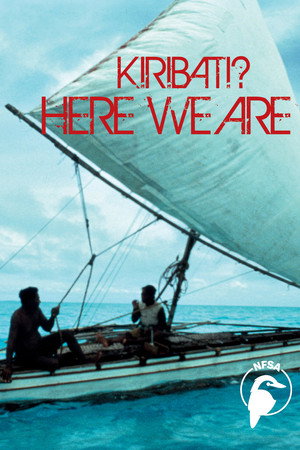
On 12 July 1979 the Gilbert Islands in the central Pacific became independent from British rule. The country then became known as Kiribati. This film shows the lifestyle of the people of these 33 islands, their history and culture, the natural resources and the effects of colonialism, World War Two, nuclear testing and foreign industry. It also records the celebrations that took place at this important moment in the country's history and looks to the nation's future.
Ten women in Canada talk about being lesbian in the 1940s, 1950s, and 1960s: discovering the pulp fiction of the day about women in love, their own first affairs, the pain of breaking up, frequenting gay bars, facing police raids, men's responses, and the etiquette of butch and femme roles. Interspersed among the interviews and archival footage are four dramatized chapters from a pulp novel, "Forbidden Love".
Ritni Pieski wishes it was easier for Sámi queer youth to grow up in their community. In this short film, Pieski addresses the lack of representation and information about queer people and rights within the Sámi people.
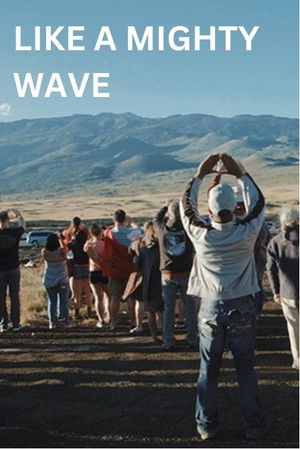
On Wednesday, July 17th 2019, a heavily armed police force arrested 36 Native Hawaiian kūpuna peacefully protecting Maunakea from desecration. The actions from that day sparked an international outcry and brought new life to the ongoing movement for Native Hawaiians’ rights for self-determination.
Although the mountain volcano Mauna Kea last erupted around 4,000 years ago, it is still hot today, the center of a burning controversy over whether its summit should be used for astronomical observatories or preserved as a cultural landscape sacred to the Hawaiian people. For five years the documentary production team Nā Maka o ka 'Āina ("the eyes of the land") captured on video the seasonal moods of Mauna Kea's unique 14,000-foot summit, the richly varied ecosystems that extend from sea level to alpine zone, the legends and stories that reveal the mountain's geologic and cultural history, and the political turbulence surrounding the efforts to protect the most significant temple in the islands: the mountain itself.
In this beautiful portrait, Sekani, an Indigenous trans woman, speaks about surviving the streets of Vancouver, about loss, about where she comes from, and about the community she has found and built along the way. Her voice, her presence, and her story are extraordinary.