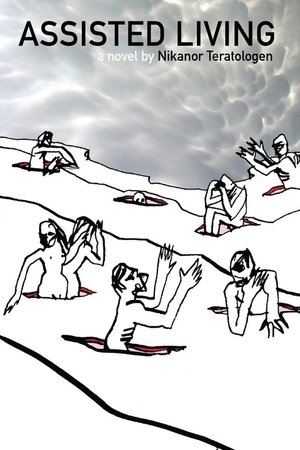
"Assisted Living", by Nikanor Teratologen, originally released in Sweden 1992 as "Äldreomsorgen i Övre Kågedalen" immediately caused an uproar, due to the book's endless "Satanic" parade of rape, murder, sacrilege.
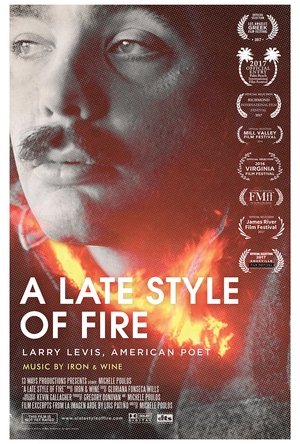
The brilliant writing and troubled life of Californian Larry Levis came to an abrupt halt when he died at age 49. Is self-destruction required for a serious life of art? Featuring an original score by Iron and Wine and film excerpts by award-winning Spanish filmmaker Lois Patiño, this innovative documentary explores his childhood working alongside Mexican-American field hands, three marriages, friendships with America’s greatest poets, and his own words for answers.
Rohdiamanten
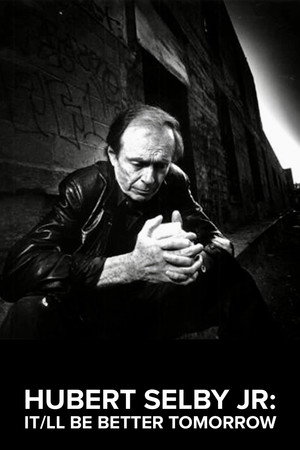
An exploration into the life and art of the renowned author of "Last Exit To Brooklyn" and "Requiem For A Dream." Hubert Selby Jr., a self-described "scream looking for a mouth," against all odds, reached international acclaim with his controversial novels. His is a classic story of the great American novelist, overcoming tuberculosis, drug addiction and financial ruin, Selby eventually triumphed in his life and penned seven of the most remarkable and distinctly American books ever written.
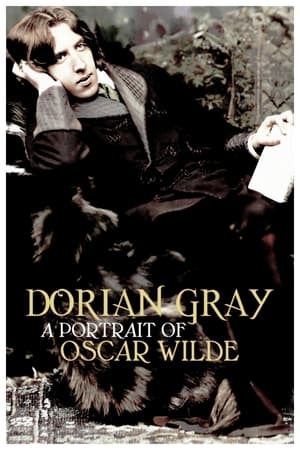
The Picture of Dorian Gray, the seminal work of Irish writer Oscar Wilde (1854-1900), continues to find new readers and inspire artists and creators around the world more than a century after its publication in 1891, because it was endowed with all the elements necessary to make it an undisputed heritage of world literature.
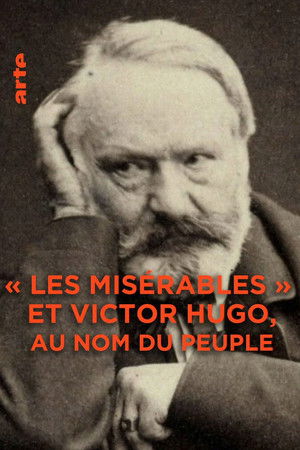
The prodigious genesis of a monument of world literature, too often reduced to its popular success, also recounts the tormented conversion of its author, Victor Hugo, to the ideal of social progress.
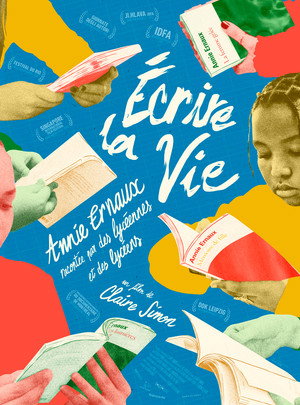
A major figure in contemporary feminism and the first Frenchwoman to win the Nobel Prize for Literature, Annie Ernaux is seen by many as a source of individual and collective emancipation, blending the intimate with the universal. Filmmaker Claire Simon has devoted an original portrait to her, giving students and teachers a voice.
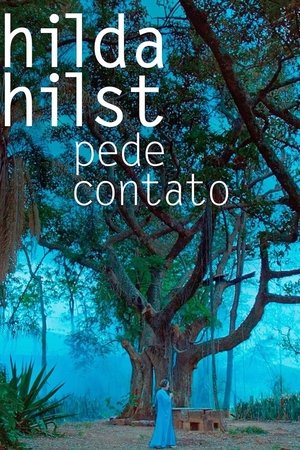
Documentary about the poet, writer and playwright Hilda Hilst, considered by critics as one of the most important voices of the Portuguese language of the twentieth century. Through the use of personal sound and image files, interviews, meetings and fictional interventions, we will seek the memory and the presence of Hilda Hilst in her daily life at Casa do Sol, the farm where she lived in Campinas.
Hermann Hesse, Nobel Prize winner in 1946, is not only the world’s most widely read German-language author of all time, with a total of more than 100 million books in print, but also, with Karl Marx, perhaps the most influential. The documentary follows his readers’ trail and at the same time the trail of the author who, like no other, has managed to become a role model.
Born in 1948, Peter Street struggled at school with epilepsy and illiteracy in Bolton, Lancashire, and, later in life, as a slaughterman, a gravedigger and a war poet. At 66 years old he was then diagnosed with autism, and his world changed forever.
Divas: d’Oum Kalthoum à Dalida
A documentary about the Bulgarian writer Georgi Gospodinov, who won the International Booker Prize in 2023 for his novel Time Shelter.
Jan Balabán
Ján Kollár
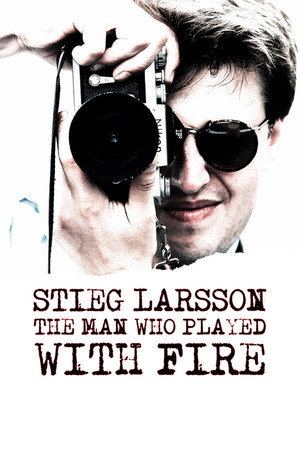
The story of Swedish journalist and writer Stieg Larsson (1954–2004), author of the “Millennium” trilogy, and his pioneering work in the fight against right-wing extremists and neo-Nazis; an obsession with fatal consequences.
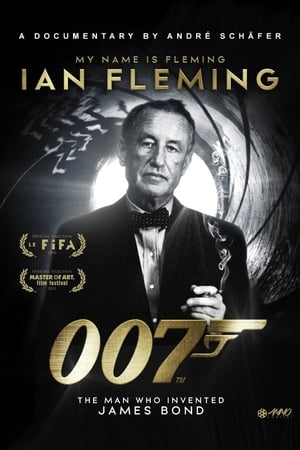
The man who invented James Bond: The story of Ian Fleming, real-life spy, ladies' man and sportsman, who was there at the birth of MI-5 and the CIA, and gave the world one of its most enduring and iconic heroes: Bond. James Bond.
Pessoa/Lisboa
A woman who has become part of literary heritage, the only French writer to be awarded the Nobel Prize in 2022, she has made her life the basis for her work since the publication of her first novel in 1974... What can be said that her books haven't already said? On the occasion of her grand return to her hometown in Normandy, as she explores the places of her early childhood, this icon of several generations looks back on her youth and what made her the committed woman and writer she has become. Through a geographical and narrative journey covering her first 25 years, which resonated throughout the following 60 years, the film—the only one she has agreed to participate in since winning the Nobel Prize—offers a "different" portrait of Annie Ernaux, interweaving her personal memories, her writings, and the history of the 20th century.
Paradoxy života a smrti Martina Kukučína
Second part of the trilogy about the Granada poet directed by Juan José Ponce, which focuses on the writer's journey to Argentina and Uruguay