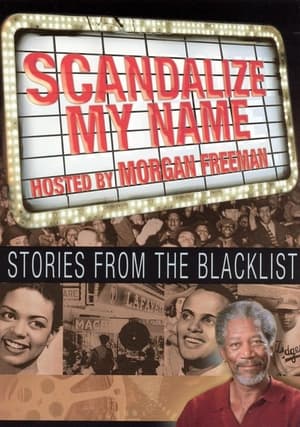
A look at the confluence of the Red Scare, McCarthyism, and blacklists with the post-war activism by African Americans seeking more and better roles on radio, television, and stage. It begins in Harlem, measures the impact of Paul Robeson and the campaign to bring him down, looks at the role of HUAC, J. Edgar Hoover and of journalists such as Ed Sullivan, and ends with a tribute to Canada Lee. Throughout are interviews with men and women who were there, including Dick Campbell of the Rose McLendon Players and Fredrick O'Neal of the American Negro Theatre. In the 1940s and 1950s, anti-Communism was one more tool to maintain Jim Crow and to keep down African-Americans.
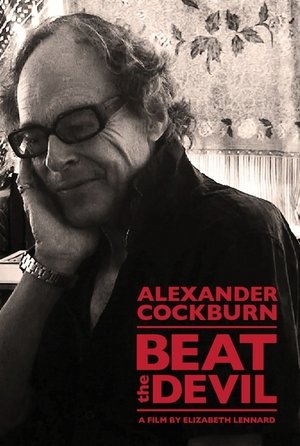
In his Lost Coast home, Alexander Cockburn recounts a personal history of Beat the Devil, the John Huston movie. When Lennard first read Beat the Devil – the book – she was amazed to discover James Helvick was the pseudonym for journalist Claud Cockburn, father of her friend Alexander. 2014, Elizabeth Lennard and CounterPunch.
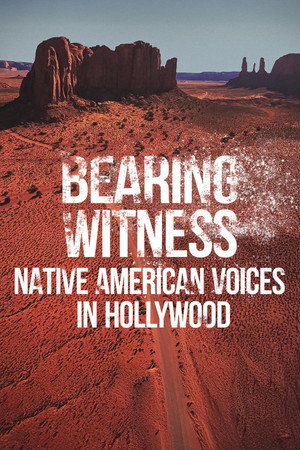
For over 100 years, Hollywood cinema has crafted the ultimate "villain"- the Indian, as they were labeled in early Westerns. Confined almost exclusively to this genre, the Western became a vehicle for American racism, obscuring the genocide upon which the United States was built. In this documentary, only Native Americans are given a voice to share their story, one that has been overshadowed by Hollywood's portrayal. Their narrative, part of the larger American story, highlights how cinema has long been used as a powerful propaganda tool, distorting history and perpetuating harmful stereotypes.
Bruce Brown's The Endless Summer is one of the first and most influential surf movies of all time. The film documents American surfers Mike Hynson and Robert August as they travel the world during California’s winter (which, back in 1965 was off-season for surfing) in search of the perfect wave and ultimately, an endless summer.
An exploration —manipulated and staged— of life in Las Hurdes, in the province of Cáceres, in Extremadura, Spain, as it was in 1932. Insalubrity, misery and lack of opportunities provoke the emigration of young people and the solitude of those who remain in the desolation of one of the poorest and least developed Spanish regions at that time.
Megacities is a documentary about the slums of five different metropolitan cities.
Warsaw's Central Railway Station. 'Someone has fallen asleep, someone's waiting for somebody else. Maybe they'll come, maybe they won't. The film is about people looking for something.
A detailed chronicle of the famous 1969 tour of the United States by the British rock band The Rolling Stones, which culminated with the disastrous and tragic concert held on December 6 at the Altamont Speedway Free Festival, an event of historical significance, as it marked the end of an era: the generation of peace and love suddenly became the generation of disillusionment.
Primary is a documentary film about the primary elections between John F. Kennedy and Hubert Humphrey in 1960. Primary is the first documentary to use light equipment in order to follow their subjects in a more intimate filmmaking style. This unconventional way of filming created a new look for documentary films where the camera’s lens was right in the middle of what ever drama was occurring. Preserved by the Academy Film Archive in partnership with The Film Foundation in 1998.
In this wildly entertaining vision of one of the twentieth century’s greatest artists, Bob Dylan is surrounded by teen fans, gets into heated philosophical jousts with journalists, and kicks back with fellow musicians Joan Baez, Donovan, and Alan Price.
It has been 50 years since ABBA won the Eurovision Song Contest with Waterloo. But of all who celebrated there on the stage in Brighton, perhaps the biggest rock star of them all wasn't even in the band, but was instead a gentleman in a suit and mustache: Stikkan Anderson.
The Ark and the Darkness will be the most Biblically accurate, photo-realistic representation of Noah’s Flood ever released in theaters. Co-produced by award-winning Sevenfold Films, Director of Genesis: Paradise Lost, this film takes photo-realism to the next level. In cooperation with experts from Answers in Genesis, Liberty University, and Genesis Apologetics, this film reveals just how Noah’s Flood unfolded, how the dinosaurs were involved, what happened after, and also reviews how the judgement of Noah’s Flood parallels end times.
An exemplary reconstruction of a historical turning point. Time and again, the images and the remembered stories.
Bayer 04 Leverkusen Powerpack
Film shot in Super 8 in 1984. Filming took place in a neighborhood in the city of Amarante/PI, located on top of a hill, in the courtyard of Mr. João Bitu's residence, with participation by Raimunda Pau Pombo, Nazaré Cambão, Ely Sibita, Tio Zuza, Joaquinzinho, Chico do Boné, among other pagodeiros.
A short documentary made from archival footage that explores the various dynamics of Japan and the U.S.A. during ww2
In the autumn of 1950, members of the largest Iranian communist party known as "The Toudeh Party" plot an intricate escape from Tehran's most important prison known as "The Castle".
Underlines the importance of waterways as mans of modern transport. Details the way in which the network of waterways covers britain.
A Lord of the Rings tour guide in New Zealand processes his grief in a wonderful way.
Misty Copeland was promoted to principal dancer at American Ballet Theatre in 2015, becoming the first Black American ballerina to do so in the elite classical company's 75-year history. Misty sheds light on beating all odds through a difficult upbringing and learning ballet at 13 years old. She also expresses the importance of giving back to the communities she hopes to inspire. Friends and colleagues also share their admiration for the prominent dancer and advocate.