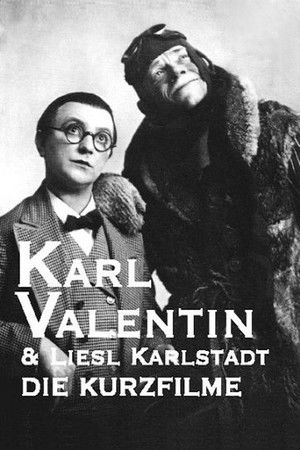
Karl Valentin and Liesl Karlstadt at the Oktoberfest.
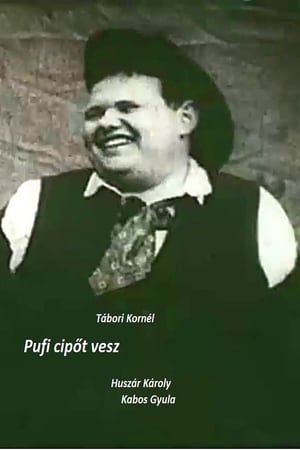
Out of the three-part burlesque, the only surviving one is the one called Pufi would buy a pair of shoes, with Hungarian inserts. The film is shot on a real-life location, in a Budapest shoe shop, and it portrays the mutual efforts of a puny sales assistant and Pufi, the bladder-of-lard customer, to find him a suitable pair of shoes. The content of the other two parts is not known.
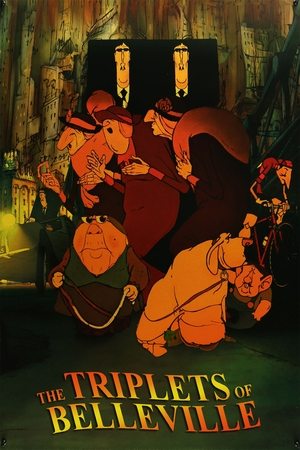
When her grandson is kidnapped during the Tour de France, Madame Souza and her beloved pooch Bruno team up with the Belleville Sisters—an aged song-and-dance team from the days of Fred Astaire—to rescue him.
19th release in 'The Smith Family' series of 2-reel comedies.
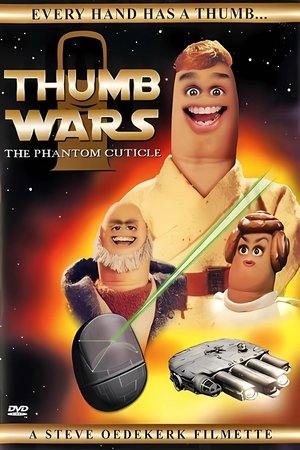
The hilarious story of a restless young farm-thumb, Loke Groundrunner, and his tasty companion, Princess Bunhead, who go on an quest to combat Black Helmet Man and the Evil Thumbpire. This is the first film of the hilarious 'Thumbs!' franchise.
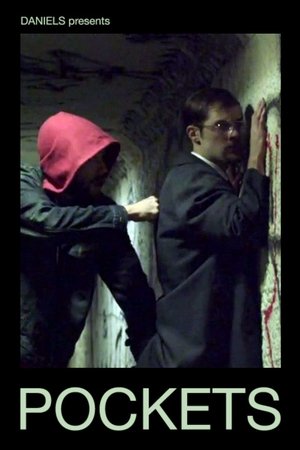
A homeless bum, bored of eating the same food every night, promises his girlfriend a special dinner. He plans to take her out with money robbed from a passing stranger. But the bum’s in for a surprise when the man he targets for his mugging turns out to have special – and hilarious – powers.
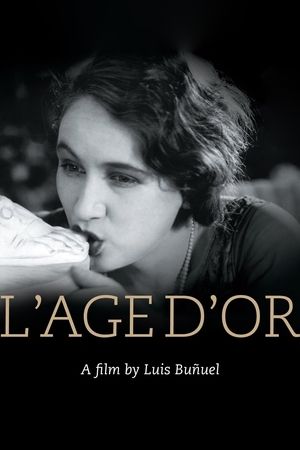
The film consists of a series of tightly interlinked vignettes, the most sustained of which details the story of a man and a woman who are passionately in love. Their attempts to consummate their passion are constantly thwarted, by their families, by the Church and bourgeois society in general.
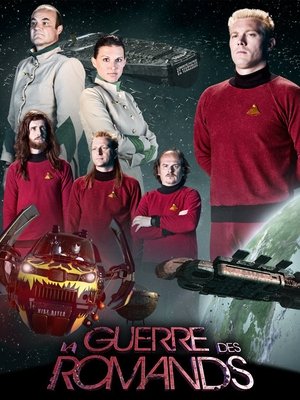
La Guerre des Romands
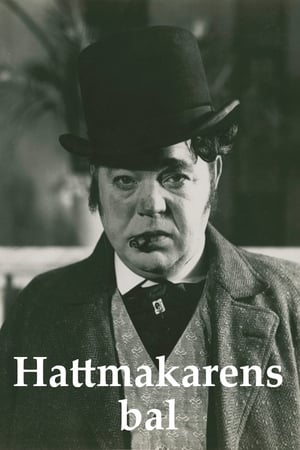
The wealthy hat maker Cederström has two daughters, Marianne and Lotte. He has decided that Marianne should marry Melander even though she loves the poet Malm. Lotte on the other hand loves Melander.
Fairground boxing booth where visitors try to knock out the champion and win five pounds, the first contestants is knocked out but the very eager (and possibly drunk) third man knocks out the champion and overcome with "boxing fever" rushes out punching at everybody and everything he meets. (britishpathe.com)
Each time Mrs Babylas sees an animal, she just can't help herself bring it back home.
One of the earliest cinematic adaptation of Chinese classic novel Journey to the West. When seeking for food alone, Tang Xuanzang was kept prisoner by seven spider monsters who took the form of seven beautiful women. The Monkey King and the other two of Xuanzang's disciples managed to rescue him with the help of Avalokitesvara Bodhisattva/Guanyin. They renounced the desire for lust and continued the quest for Buddhist Scriptures.
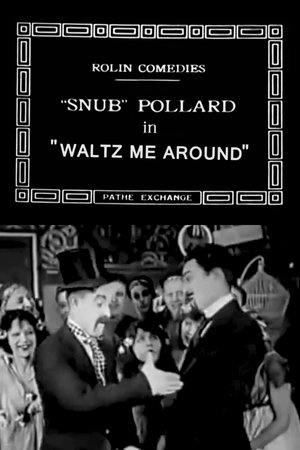
Snub, the delivery man, and his assistant, Sunny, are returning from a delivery when they almost run over a lost woman. After she asks for directions, they accompany the woman to a dance school, where Snub is mistaken for the new professor.
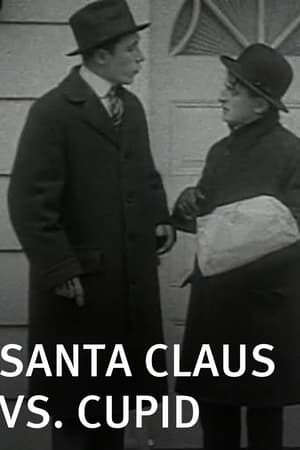
A desperate man and two romantic rivals encounter one another at a Christmas party.
This film begins with the invocation of 'almighty god' at a river where several people are gathered. The child god Krishna rises out of the water astride the demon snake Kaliya. Then we see Yashoda as she rocks the sleeping Krishna's crib and imagines the god as Gopala. The next scene shows Kamsa fantasizing about Krishna threateningly duplicated many times around him. Kamsa then imagines himself dead as his severed head rises up and descends again. People of all castes pay obeisance to the deity with the title-card: 'may this humble offering be accepted by the Lord'.
A jungle travelogue looking for monkeys.
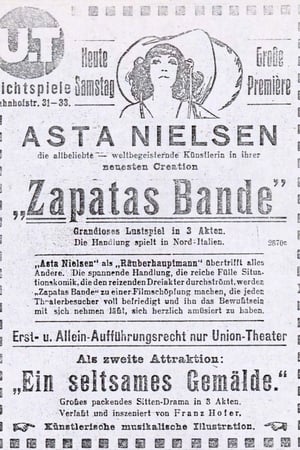
A film crew is shooting a movie about guns and robbers, when real robbers turn up. Having to go home in robbers costume, they are mistakingly accused of a robbery. One of the earliest films portraying bisexual characters.
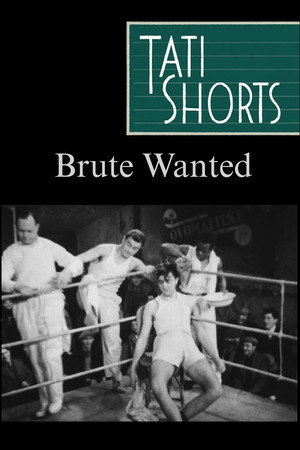
A tall, shy and reserved young actor accidentally signs himself up for a wrestling match.
In the year 2150, Johnny, a lazy Space Delivery Man, must deliver a package on a planet he does not fully understand.
Presented as if it were an archive from the beginning of the 20th century, like a Pathé newsreel, this film tells the story of the life of Etienne-Jules Marey, the 19th century pioneer of photography and cinema, famous for studying animal and human locomotion.