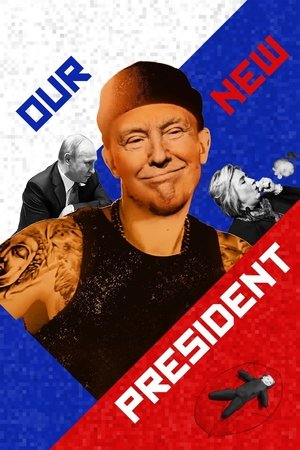
The story of Donald Trump's election told entirely through Russian propaganda. By turns horrifying and hilarious, the film is a satirical portrait of Russian meddling in the 2016 election that reveals an empire of fake news and the tactics of modern day information warfare.
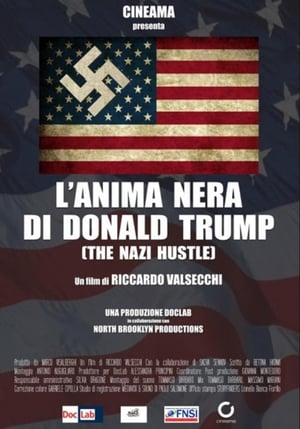
The Black Soul of Donald Trump
A look at the Trump effect in Utah
A look back at Donald Trump in 2017
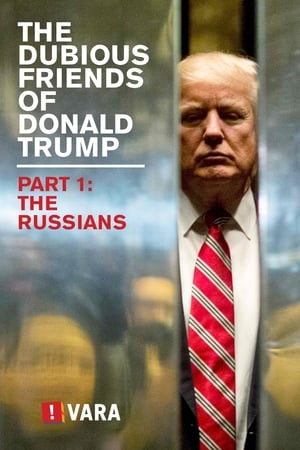
For months, the FBI have been investigating Russian interference in the American presidential elections. ZEMBLA is investigating another explosive dossier concerning Trump’s involvement with the Russians: Trump’s business and personal ties to oligarchs from the former Soviet Union. Powerful billionaires suspected of money laundering and fraud, and of having contacts in Moscow and with the mafia. What do these relationships say about Trump and why does he deny them? How compromising are these dubious business relationships for the 45th president of the United States? And are there connections with the Netherlands? ZEMBLA meets with one of Trump’s controversial cronies and speaks with a former CIA agent, fraud investigators, attorneys, and an American senator among others.
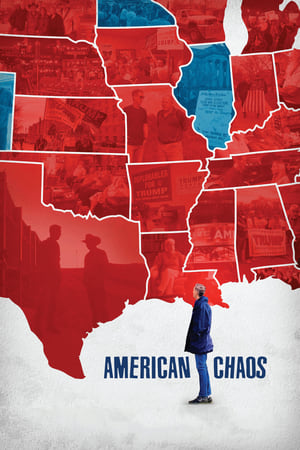
A documentary focused on the 2016 United States presidential election and then-candidate Donald Trump's supporters.
Donald Trump has become a beloved cult figure for many Russians. The short film uses found footage, fake news and state-controlled political programming to reveal the variety of ways Trump's newfound Russian supporters express their devotion.
Filip and Fredrik is trying to answer the question: why do people vote for Trump? They is visiting Virginia a poor society where Trump is seen as the savior.
At the intersection of a provincial track and an international road a Gypsy community of a small Romanian town begin and end their day. It is the point of the geographical crossing that divides them from the rest of the world and keeps them within the traditional lifestyle, where in generations survive families, elderly, men and women, children and teenagers.
Every month, hundreds of unemployed nurses travel from the south to the north of Italy in search of work. Two of them organise the trips by overnight buses; a long journey of hope that often leads to nothing at all. Shot as a road movie, the two filmmakers paint a pitiless portrait of modern Italy before, during and after the health crisis.
In Pasolini's vision, Euripides' Medea becomes an emblem of the Third World deceived and exploited by the pragmatic rationality of the West (Jason). The sequences of human sacrifice, shot in Turkey, are among the highest and cruelest in Pasolini's cinema. Maria Callas in her only film role, is a lunar goddess of revenge.
Adam Ondra is the best. Born in 1993, the Czech climber has broken a series of records and is widely recognised as the most accomplished in his discipline. No mountain or wall can resist him. But who is this young man who knows no fear and never seems to encounter failure? Jan Šimanek and Petr Záruba deliver an intimate portrait, beyond the usual sensationalism of sports headlines.
At the death of her mother, Aga decides to leave her life in Germany with her partner Maja to look after her younger brother in Poland. To do this, she has to hide her love for another woman from the authorities. Closely following its protagonists, Silent Love delicately narrates their discreet struggle against a prying and viscerally homophobic society.
Jerusalem can rightfully be called the hat capital of the world. Whereas the rest of the world has allowed its hats to gather dust in the closet since the 1950s, Jerusalem still teems with hats and caps. From soldier to monk, everyone is identifiable by his hat. Director Nati Adler, who is neither religious nor a hat-wearer, explored the how and the why of the hats of Jerusalem. His colourful and personal trip takes us along the diverse headdresses of the three religions populating the city. What begins as an innocent exercise by a curious documentary filmmaker develops as it were into a Pandora's box full of stories and history lessons. Every answer evokes new questions. Why do people in Jerusalem wear so many hats, what is a shtreimel, why don't Armenian Christians use their Turkish hats in their ceremonies, and why do women actually have to cover their heads?
Swedish punk documentary from 1985 about Anti Cimex, more specifically Sixten Andersson. Shows the edgier side of Swedish music in the 80s, the anarchist ideals of the members and friends of the band and an overall discontent with the 'promising' future of the "Svensson life".
In this essay film, the narrator describes how his fixation on a gay pornographic model from a phone sex advertisement leads to a new project, an elegy for a complex, troubled man named Alain Lebeau.
Irritated by Catholicism, Linda, an American-based, Blonde Caucasian, falls in love with Qater-based Ali Al-Saigel, adopts the Islamic faith, and gets married. She follows her new faith to the letter, and subsequently gives birth to seven children (four daughters and three sons), brings them up according to true Islamic dictum's, and reflects on her 20-year married life, her children, as well as her reaction when her husband indicates that he wants to re-marry.
The Coup of 1979 was the "straw that broke the camel's back". The most influential sectors in the country, both from the Left and the Right, radicalized and decided to rebel against a power they considered unjust and unbearable. From this decision to rebel emerged three Revolutionary Juntas made up by civilians and the military.
The story of Pink Floyd told by deejay Tommy Vance and actor Graham McTavish with the four members talking about the past, including about Syd Barrett.
30+ interviews in 10 U.S. states with authors, collectors, journalists, professors, bloggers, students, artists, inventors and repairmen (and women) who meet up for ‘Type-In’ gatherings to both celebrate and use their decidedly lo-tech typewriters in a plugged-in world.