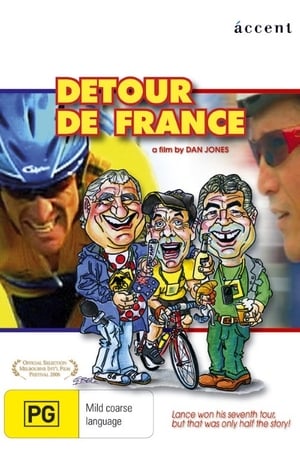
Detour de France offers a fascinating look inside the world's biggest annual sporting event. The film focuses on three Australians reporting on the world famous cycling event. All three bring a larrikin humour to their antics, which propels the film from mere reportage to something more akin to attending a sporting event with 'the boys'.
Antoine Blondin, la légende du Tour
A documentary following a team of English cyclists as they recreate the 1955 Tour de France route while one of their own lives with a rare medical condition.
L’hexagonale
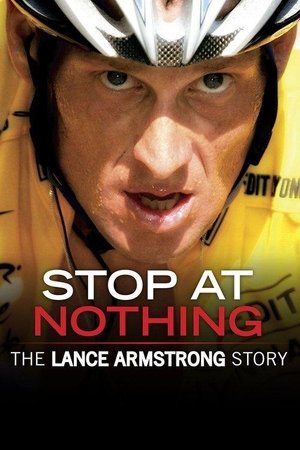
A portrait of the man behind the greatest fraud in sporting history. Lance Armstrong enriched himself by cheating his fans, his sport and the truth. But the former friends whose lives and careers he destroyed would finally bring him down.
Mon village à l'heure du Tour
Goudkeeltjes
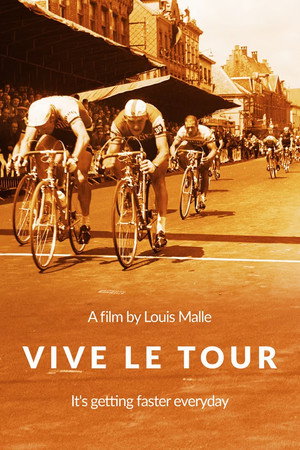
A short documentary about the 1962 Tour-de-France. Topics covered include: crowds of people and motorcycles, drinking raids and feeding, pileups, doping, "the charge," and the mountain stages.
The untold story of the halcyon era of women's professional cycling. For six glorious years during the 1980s, the Tour de France held a women's race alongside the men's race. These women raced over the same cobblestones, conquered the same mountains, and were cheered by the same throng of adoring crowds as the men.
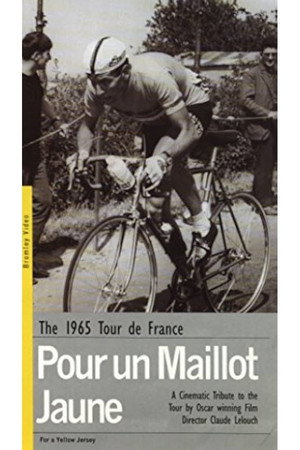
The film follows the 1965 Tour de France not as a sports documentary but an atmospheric film of the events that surround it. Where riders are shown racing, it is an illustration of the hardship or the danger they face. The main events are the daily routines of the competitors, the bossing about of spectators by officials (which Lelouch emphasises by adding animal noises to the soundtrack), the monotonous days of journalists who follow the race for hours to write only a few hundred words, and the evening entertainment laid on by the Europe-1 radio station.
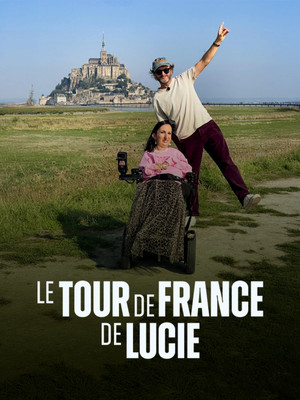
Aboard a specially decorated motorhome made by Lulu, they will travel the roads of France for the first time, following "an itinerary as twisted as Lucie's spine" (sic). From the French Riviera to Mont-Saint-Michel, via the Arcachon basin, Hauts-de-France and Lot, before reaching the Champs-Elysées for a finish as prestigious as the Tour de France. On the agenda: a reunion with a fourth-grade class, funny gypsies, a haunted castle, oysters and white wine with the most famous oyster farmer, but also a few activities strongly discouraged for people with muscular dystrophy... and above all, big-hearted French people, as funny as they are generous, who offer us the best of their country through their hospitality.
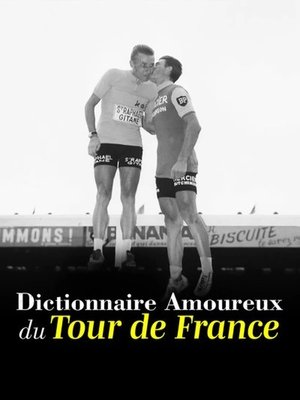
Combining the author's poetic voice with those of Bernard Hinault, Antoine de Caunes, and Daniel Mangeas, the film offers a passionate journey into the heart of the history and imagination of the Tour. It captures the spirit of the great epics, the Anquetil-Poulidor duel, Yvette Horner's accordion, the popular fervor, but also the physical and spectacular reality of the dangers of racing. Women's cycling plays an important role thanks to the testimony of Cédrine Kerbaol. The contemporary scene is represented by cyclist Guillaume Martin.
From Colorado to Qatar, California and France, this documentary follows a year in the life of the U.S.-based professional cycling team Slipstream -- a group that's made it their mission to restore the good name of cycling. Sure, the guys -- including Swede Magnus Backstedt and Brit David Millar -- wouldn't mind a Tour de France invite, but they're even more passionate about inspiring the next generation of cyclists.
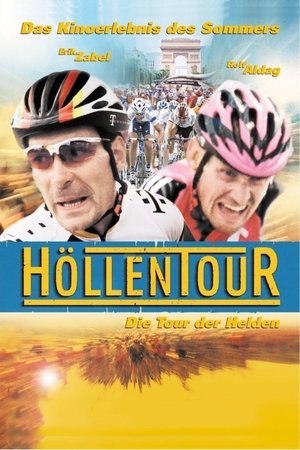
Year after year hundreds of thousands of fans line the route of the Tour de France, cheering on their heroes and willing them to victory, while millions of viewers worldwide tune in on their televisions. Academy Award-winning director Pepe Danquart, fascinated by the spectacle of the three week race, chose to focus on the courage, the pain and the fear of the riders of the Tour. Training his lens on German superstar sprinter Eric Zabel and his loyal domestique Rolf Aldag, Danquart captures the thrill of the race and the teamwork behind the stars of the peleton. He also shines light on the Tour's supporting cast - the director sportifs, masseurs, and, of course, the wildly enthusiastic fans. Reveling in the stunning landscape - from the Alps to the Pyrenees to the Massif Central to Paris - and with a nice dollop of Le Tour's history, HELL ON WHEELS transcends the sport it celebrates to reveal an astonishing human endeavor.
As Geraint Thomas' brilliant career comes to an end, it is an opportunity to look back on 20 remarkable years in the saddle.
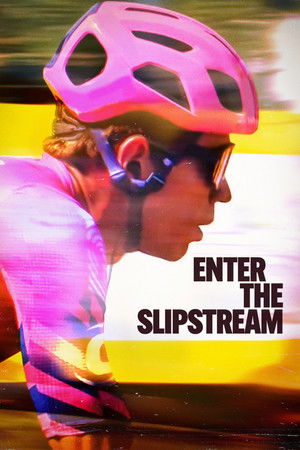
Follows the Education First (EF) Cycling Team as they navigate a turbulent 2020 season through the Tour de France, telling the individual stories of the riders, from Colombian star Rigo Urán to rising up-and-comers and veteran teammates.
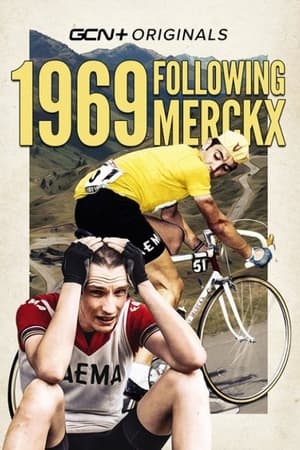
1969. July the 15th. Stage 17 of the Tour de France. A brutal stage from Luchon to Mourenx covering four of the toughest mountains in the Pyrenees. On this fateful day, Eddy Merckx catapulted himself into the history books with one of the greatest solo breakaways the sport has ever seen. Fast forward over half a century, and GCN’s Simon Richardson is in the Pyrenees to pay tribute to The Cannibal by recreating his ride. To make the 220km epic even more challenging, Si will do it aboard his 1969 spec Faema team bike and wearing their iconic red and white jersey. Eddy Merckx made this ride look easy, but will Si even make it to the finish line?
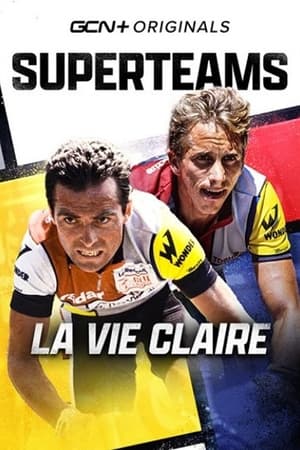
In the mid-1980s, one team dominated the cycling headlines: La Vie Claire. Despite a ferocious internal power struggle between two of the sport’s biggest stars, they racked up more than 100 wins. Wearing their iconic Mondrian jersey, Bernard Hinault and Greg LeMond won two of the most infamous Tour de France victories of all time. Bankrolled by the controversial businessman, Bernard Tapie, La Vie Claire rewrote the rulebook on both bike racing and fashion. Dan Lloyd is joined by special guests Pippa York and William Fotheringham to discuss how the team turned a recipe for disaster into a period of complete dominance.
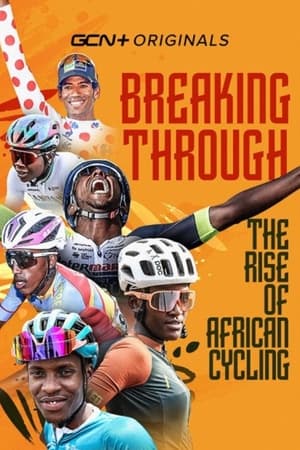
Biniam Girmay’s recent successes have shown that African cycling is on the up, ready at last to follow athletics and football into the big time. But why has it taken so long, and what’s needed to take it all the way? Set against the beauty and battles of the Tour du Rwanda, we explore the past, present and future of riders from Eritrea, South Africa, Rwanda and more, meeting Girmay and the rising stars hot on his heels, as well as the people passionate about giving these riders the opportunities they deserve. This is the story of the next great continent in cycling - Africa.
Cyclists in the Tour de France demonstrate the ability of the human brain to overcome physical and mental adversity and achieve goals.