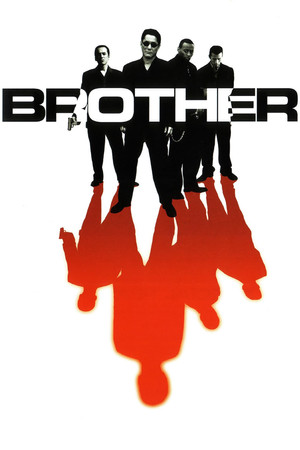
A Japanese Yakuza gangster's deadly existence in his homeland gets him exiled to Los Angeles, where he is taken in by his little brother and his brother's gang.
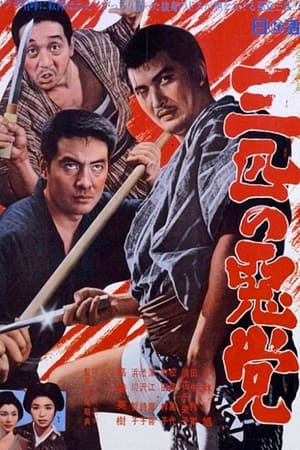
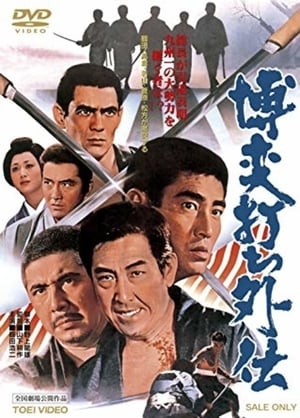
Two lone wolf yakuza (Hideki Takahashi and Kunie Tanaka) rob a gambling den, then split up when pursued by the angry gang. They eventually meet again at Tanaka's mother's rural farmhouse. By then, one-eyed Kobayashi has wrangled his way into the scenario, intending to get a split of the proceeds (since he had helped them get away). Although there is some dissension amongst the three, they eventually close ranks to fend off their stubborn, relentless pursuers. Unhappily, Tanaka’s mother (Chieko Naniwa) is killed in the process. There are also love interests (Yoshiko Machida and Kayo Matsuo) and some humor along the way. An admirably different approach to the formulaic ninkyo yakuza programmer, filmed largely in sweltering summer countryside locations.
It is the Taisho era in Japan. A man has quit the Yakuza after five years and returned to Shikoku in order to begin his life anew as a ferryman. His boss, however, became ill and the boat is taken due to unpaid debts to the local thugs. His new life has not begun well and he is determined to rebuild the shattered business. The Yakuza, however, have added the ferry business to the rest of their portfolio of local concerns.
Fueled by love, rebellion, and rock 'n' roll, Radit and Jani live fast and free—until reality hits, and they’re forced to trade chaos for survival.
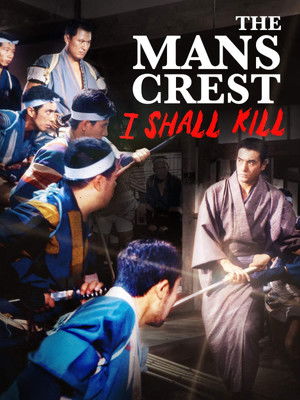
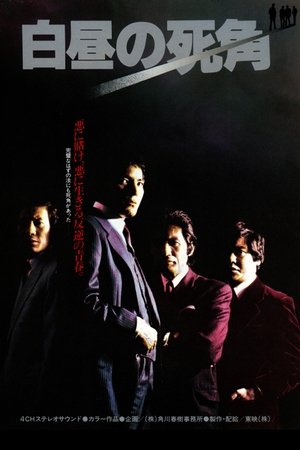
The Man's Crest: I Shall Kill
Elite college graduates commit perfect financial crimes though loopholes in the law during the 1950s.
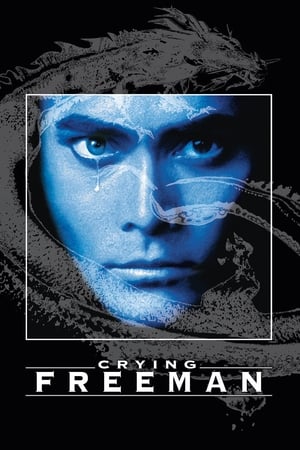
A lethal assassin for a secret Chinese organisation, who sheds tears of regret each time he kills, is seen swiftly and mercilessly executing three Yakuza gangsters by a beautiful artist. She is captivated by the grace of his kill and later falls in love with him. An intense power struggle for the leadership of the Yakuza Clans ensues as they seek vengeance for the death of their leader.
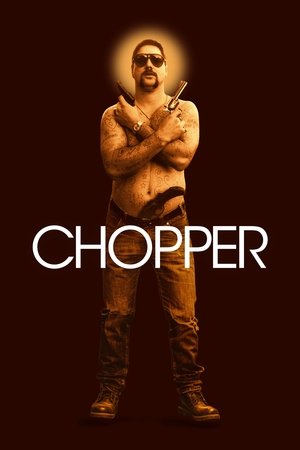
The true and infamous story of Australia's notorious criminal Mark 'Chopper' Read and his years of crime, interest in violence, drugs and prostitutes.
Police detective Amachi fights against those who banished him from his job-both cops and criminals.
Dolls takes puppeteering as its overriding motif, which relates thematically to the action provided by the live characters. Chief among those tales is the story of Matsumoto and Sawako, a young couple whose relationship is about to be broken apart by the former's parents, who have insisted their son take part in an arranged marriage to his boss' daughter.
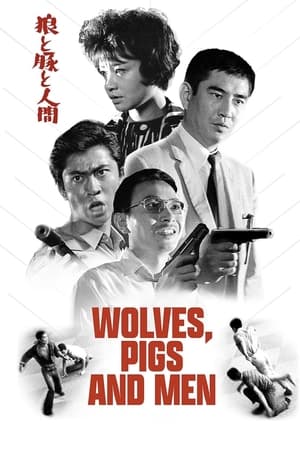
Sabu and his pals hold a pauper's funeral for Sabu's mother. His brother Jiro arrives home, fresh out of jail, and Sabu pointedly states that Jiro is not invited. Jiro meanwhile is planning a big job - steal 40 million in cash and drugs, and he invites Sabu and gang to act as decoys, for 50,000 each. The sting is a success, but the double-crossing starts almost immediately. Sabu discovers how little of the take they were promised and hides the stash. Jiro and his slimy partner pressure the kids to fess up. Meanwhile, their respectable elder brother Ichiro is being leaned on by the town's big boss, whose money it was.
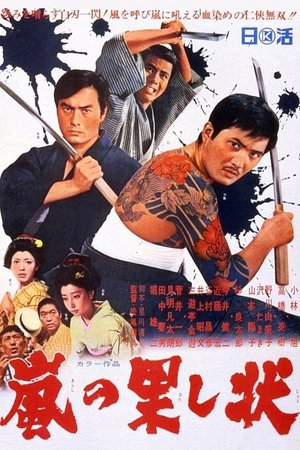
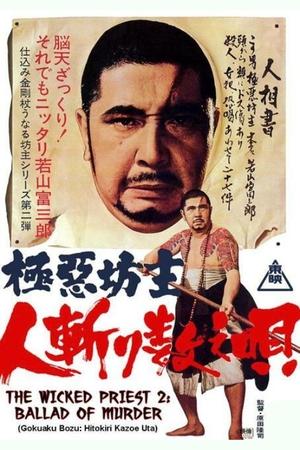
The long awaited second film in the Wicked Priest series is a masterpiece of sword swinging fury as Shinkai is asked by a man on the run to bring his young son to live with his grandfather, the master of a ju-jitsu dojo during the Taisho period of the early 20th century. Shinkai then runs afoul of a gangster group using strong-arm tactics to take over the profits from local gambling. When he proves to be more than they can handle, they hire the one man who has the ability to kill Shinkai and exact revenge, Ryotatsu, the karate priest whom Shinkai blinded in the first film. This ultra-violent entry has long been considered the best movie in the series and never made its way to home video before. See a spectacular display of Wakayama Tomisaburo’s martial art expertise in this action packed film. The Holy Grail of sword movies has arrived at last! /Winterheart of CG
In the late '60s, the self-proclaimed belles of the rock 'n' roll ball, rocked the worlds of every music legend whose pants they could take off -- and they have the pictures to prove it. But it's been more than two decades since the Banger Sisters earned their nickname -- or even laid eyes on each other. Their reunion is the collision of two women's worlds; one who's living in the past, and one who's hiding from it. Together they learn to live in the moment.
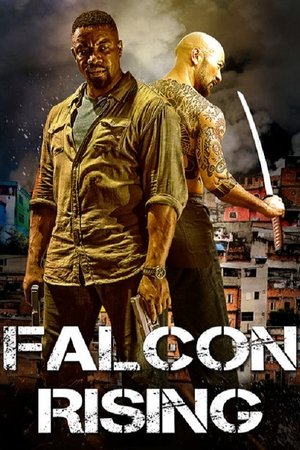
Chapman is an ex-marine in Brazil's slums, battling the yakuza outfit who attacked his sister and left her for dead.
When Omuro Yahachi of the Omuro family is selected as Mutsumikai Soke's successor, the conflict between the Kitakyushu and Wakamatsu begins.
In a violent relationship, it takes a mother’s strength to save herself and her children from the man she loved. Once Were Warriors is a violent love story set against a contemporary urban backdrop.
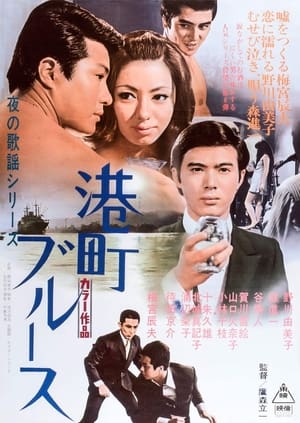
Port City Blues
Action drama about a Japanese gangster in Manchuria circa 1932, who finally joins some Chinese mountain bandits.
On the day of the festival at Takao Shrine in Koshu, a brawl breaks out at a local gambling den run by the boss, Kansuke of Saruya (played by Zo Ozawa). It’s the rowdy members of the Shimizu clan, led by Jirocho (Kinya Kitaoji), who uncover a cheating scheme. The chaos is brought to a halt by none other than Jirocho’s lifelong rival-Katsuzo of Kurokoma (Tetsuo Ishidate), a powerful local boss from Koshu...
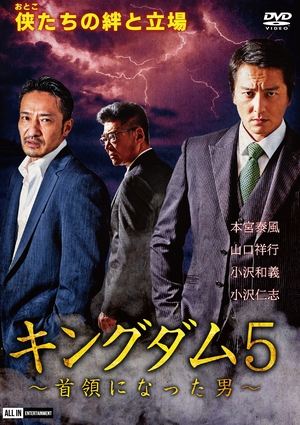
Shimazu Clan's third-generation boss, Tetsuo Sakuragi (Yasukaze Motomiya), and his sworn brother, Kenichi Kanamori (Yoshiyuki Yamaguchi), are set to be released from prison. Although Sakuragi plans to personally welcome his brother's return, Eitoshi Kaji (Hitoshi Ozawa) advises against it. Sakuragi dismisses Kaji's concerns, but Kaji reaches out to Tomomatsu Miwa (Naoki Hongo) of the Miwa Clan for support in convincing Sakuragi. On the day of Kanamori's release, it is Kaji, not Sakuragi, who comes to greet him. Witnessing this, Kanamori’s reaction is…