The film "And Then It Happened" follows two school bus drivers known for their safety records. During routine rides, a series of distractions and misbehaviors from the students lead to a disastrous accident, injuring several classmates. The narrative explores the challenges of managing rowdy children on a bus and the consequences of their actions, highlighting the importance of safety and the hidden struggles of the students.
This vintage film discusses the importance of paying full attention when cooking with vegetable oils and shortening to prevent kitchen fires. It demonstrates through controlled experiments that oil and shortening can smoke and catch fire if left unattended over high heat, and emphasizes the need to reduce heat immediately if smoke is detected. The film highlights the basic safety guidelines for safe home frying, such as using a medium heat source and never leaving heating oil or shortening unattended.
Discusses the effects of alcohol on the brain and behavior, particularly in relation to driving. It explains how alcohol impairs judgment, perception, coordination, and vital functions by affecting different brain regions. Factors influencing blood alcohol concentration (BAC) include the amount consumed, body size, sex, and the rate of consumption. The video also debunks myths about sobering up and emphasizes the importance of allowing time for alcohol to metabolize before driving. Even at BAC levels considered legally impaired, individuals may not recognize their diminished capabilities.
From an ominous Lecturer, a small 1930s middle American community learns of the Harper Affair, in which young Jimmy Harper finds his life of promise turn into a life of debauchery and murder thanks to the new drug menace marijuana. Along the way, he receives help from his girlfriend Mary and Jesus Himself, but always finds himself in the arms of the Reefer Man and the rest of the denizens of the Reefer Den.
A 1972 educational film by Dan Gibson Productions, aims to guide young viewers in recognizing the temptations and risks associated with alcohol and excessive drinking through the lens of a nature documentary. Through a series of cautionary scenarios and reflections, it sheds light on the societal lure of alcohol and its potential consequences. This film serves as both a warning and a primer on self-awareness around drinking habits, connecting with an era increasingly concerned with youth education on substance use.
The plot chronicles the exploits of Michael, a teenager who is using marijuana and stealing his father's beer. His younger sister, Corey, is worried about him because he started acting differently. When her piggy bank goes missing, her cartoon tie-in toys come to life to help her find it. After discovering it in Michael's room along with his stash of drugs, the various cartoon characters proceed to work together and take him on a fantasy journey to teach him the risks and consequences a life of drug-use can bring and save the world.
Never Go With Strangers was intended for children aged between seven and ten and its purpose was ‘to warn them of the dangers of accepting lifts or presents from strangers’. Due to potential distress government officials instructed that the film only be shown under ‘responsible adult supervision’, thus denying it a TV airing for many years.
Country legend Mel Tillis, "Green Acres" alum Tom Lester and silly man supreme Tim Conway provide a crash course in how not to hunt in this hilarious send up of the sporting life that lands the trio in the great outdoors. When good old boys Tillis and Lester enter a "Huntin' Buddies" contest, they leave a trail of chaos and destruction in their wake. Enter game warden Conway, and things go from bad to worse in the guys' backwoods misadventure.
This short film looks at the importance of maintaining safe driving practices and heeding traffic rules. A traffic cop investigates a serious car crash and attempts to understand the cause.
A young boy learns important life lessons about strangers.
Short public information film showing housewives' efficient and hygienic methods of food storage.
Ever had a good experience with doorstep salespeople? Maybe you were lucky, but the doorstep has never seemed the best place for a sensible sales decision – which is exactly why companies use it.
A special that shows the young Flintstones trying to raise money so they can go to a concert. The story takes a turn when older kids try to push drugs on them.
This is an educational anime short produced to be shown in schools and designed to prevent child abduction. It follows a young girl named Yumi who dreams about a video game she is playing which teaches her what to do if a strange man tries to force her into a car.
A horror re-edit of 'Paper and I' (1960) - A paper bag obsessed boy dreams and learns about the process of making paper, while a demon slowly begins to tighten its hold on him.
Shot with a big cowboy nod to the Western genre, this road safety film shows the danger of speeding on an unknown country road at night.
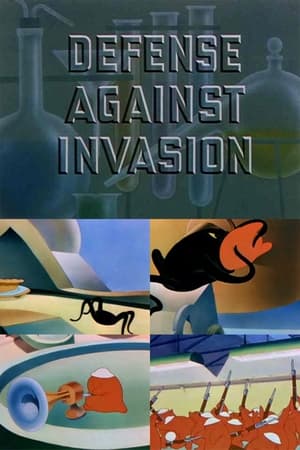
A doctor persuades a group of boys to be vaccinated by explaining how it will protect them against disease. Animated sequences depict the body metaphorically as a city, defended by the blood cells, which are stimulated by vaccination to amass arms and ammunition, in order to defend the city when it is invaded by germs.
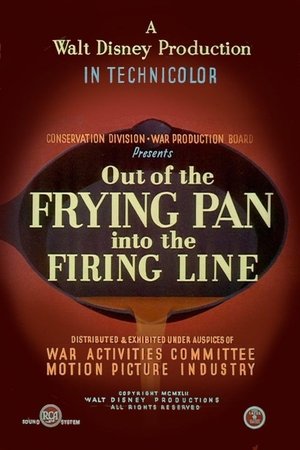
Documentary short film demonstrating the process by which waste fats from the kitchens of American homes can be transformed into the raw materials for explosives for the war effort.
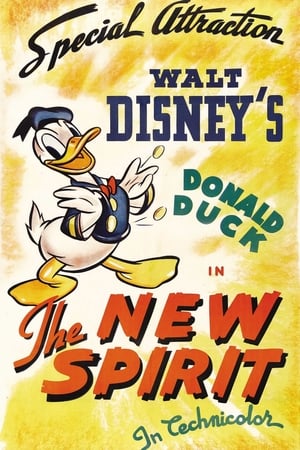
Animated documentary promoting timely filing and payment of Federal income taxes, demonstrated by Donald Duck's difficulties with his tax return.
The Seven Dwarfs fight malaria.