A short film mostly comprised of two sources: research footage from 1988 about the beginnings of the HIV epidemic from the perspective of medical professionals, and an interview with Cleve Jones in 2003 as he looks back upon his activism, and the state of the HIV/AIDS epidemic in the early 2000s.
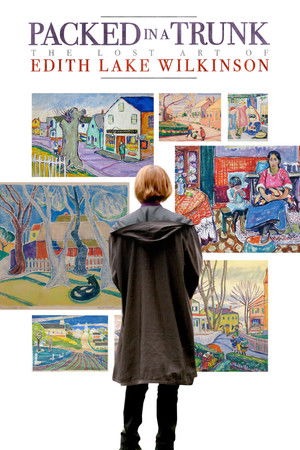
The story of artist Edith Lake Wilkinson, a painter who was committed to an asylum in 1924 and never heard from again. All her worldly possessions were packed into trunks and shipped to a relative in West Virginia where they sat in an attic for 40 years. Edith's great-niece, Emmy Award winning writer and director Jane Anderson, grew up surrounded by Edith's paintings, thanks to her mother who had gone poking through that dusty attic and rescued Edith's work. The film follows Jane in her decades-long journey to find the answers to the mystery of Edith's buried life, return the work to Provincetown and have Edith's contributions recognized by the larger art world.
A portrait of Toronto, as defined by the spaces its queer residents inhabit and the memories they’ve created there.
Contrary to the stereotype of Mississippi as a state of social conservatism and stagnation, the support, protection and love Rainbow families provide queer youth offers up an alternative view of the New Deep South.
Through a life story the film deals with issues related to human rights, such as the right to difference. The character's life is presented from others, otherness as a logic. The spectators complete the senses and gradually realize that this is a homosexual who, still in his adolescence, became a transvestite; "Amapoa" is a term that comes from Yoruba and has become transvestite slang for women. The film has a brutal ending, revealing that the character suffered a strong violence. Homophobia. The approach leads to identification with the character and allows reflections on the intolerance of today's society.
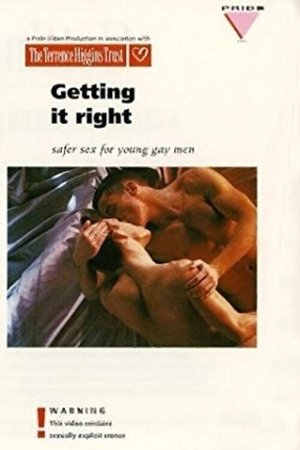
This documentary made in 1993 when massive HIV/AIDS pandemic issue at the time. This video was made to teach gay men how to have a safer sex, like using condom and safer sexual activities.
For the first time, doctors and nurses who cared for Britain's first AIDS patients in the 1980s tell of the extraordinary situation they found themselves in and the rules they had to break to help patients forgotten by the state.
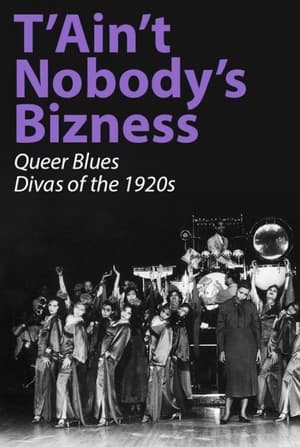
The 1920s saw a revolution in technology, the advent of the recording industry, that created the first class of African-American women to sing their way to fame and fortune. Blues divas such as Bessie Smith, Ma Rainey, and Alberta Hunter created and promoted a working-class vision of blues life that provided an alternative to the Victorian gentility of middle-class manners. In their lives and music, blues women presented themselves as strong, independent women who lived hard lives and were unapologetic about their unconventional choices in clothes, recreational activities, and bed partners. Blues singers disseminated a Black feminism that celebrated emotional resilience and sexual pleasure, no matter the source.
A compelling portrait of ALOK, acclaimed nonbinary author, poet, comedian, and public speaker.
Inspired by the It Gets Better Project this documentary film follows the stories of three real-life subjects who are at unique impasses related to their identities as gay or transgender people.
In the summer of 2008, Enzo travels to Berlin to work on a creative documentary and find a former lover.
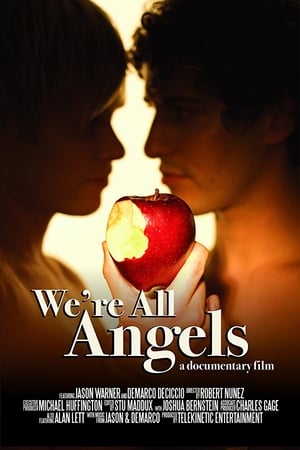
The story of rising stars Jason and deMarco, two attractive pop stars - both Christian and gay - and lovers. They sing Christian rock, including dance remixes. They are gay and they have been a couple for four years. They talk about their childhood and youth - Jason belonged to a Pentacostal church, deMarco was raised Catholic. They and their parents talk about family, coming to terms with sexuality, and the changing views of homosexuality within some churches. Jason and deMarco's particular mission is to reach gay youth with an anti-suicide message, helping them to reconcile the spiritual with the physical.
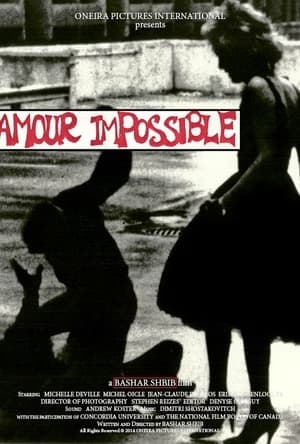
Transsexuals? Transvestites? Skinheads? Anarchy? Street life, hustling and drag are explored with sophistication, emotional resonance and that certain extra something that'll make you want to change the impossible to the incredible.
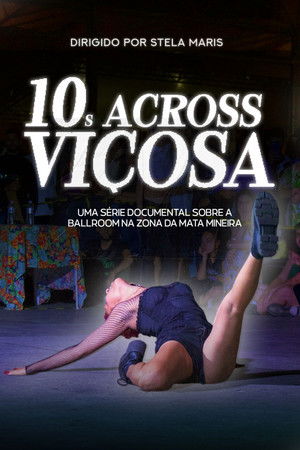
A documentary exploring the vibrant ballroom scene in Viçosa, Minas Gerais. Through the lives of local performers, it highlights how queer, trans, and non-binary communities create spaces of self-expression, creativity, and resilience. The film captures the energy of balls, the art of voguing, and the deep sense of community, while also examining the challenges participants face in a society that often marginalizes them. By documenting this unique subculture, the film celebrates LGBTQ+ identity, pride, and the transformative power of performance in shaping belonging and visibility.
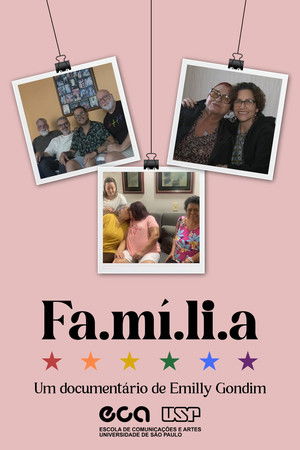
Four families recount how they met and formed their families at a time when marriage and civil unions were denied to LGBT+ people. The film demonstrates what homophobia seeks to attack: love and family.
Dorotys dream was to dance and be recognized as the woman she was, but death came first. Her best friend Misael, a sixty-year-old gay man, will make it happen. Misael creates the first diverse folk dance group, questioning traditions that are defended by cultural values in order to erase their queerness.
A 17th-century nun becomes entangled in a forbidden lesbian affair with a novice. But it is Benedetta's shocking religious visions that threaten to shake the Church to its core.
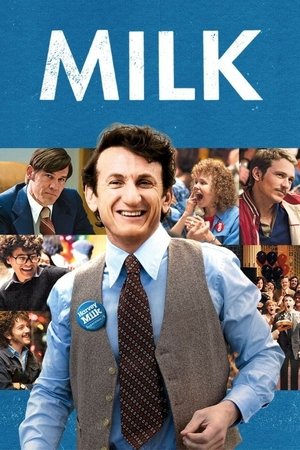
The true story of Harvey Milk, the first openly gay man ever elected to public office. In San Francisco in the late 1970s, Harvey Milk becomes an activist for gay rights and inspires others to join him in his fight for equal rights that should be available to all Americans.
BEYOND CONVERSION is a deep-dive into conversion therapy in Aotearoa through the eyes of Kiwi conversion therapy survivors.
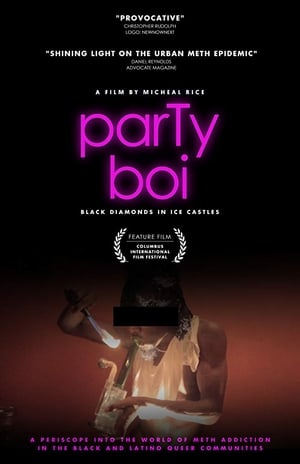
A documentary focusing on the effects of crystal meth addiction in LGBTQ communities of color. Featuring real stories of real people who are dealing with and surviving crystal meth addiction. A riveting film to captivate and bring awareness to all audiences and change the perception of the 'Party & Play' lifestyle within the inner city demographic of LGBTQ people of color.