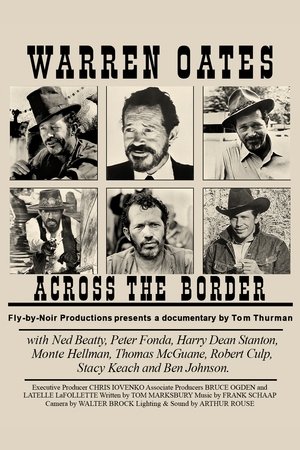
A retrospective of the work of the late actor Warren Oates, with clips from his films and interviews with cast and crew members who worked with him.
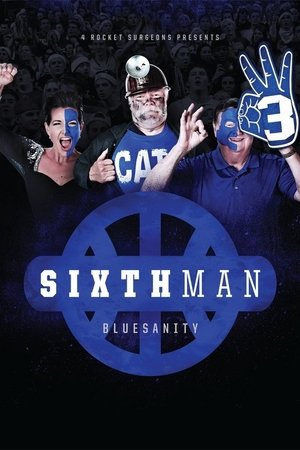
What do Josh Hutcherson, Steve Zahn, Josh Hopkins, Eddie Montgomery, Laura Bell Bundy and The Back Street Boys all have in common? Aside from making great movies and music, they all bow at the altar of Kentucky Basketball as members of Big Blue Nation!
The fabled past of this iconic college basketball powerhouse is examined and reflected upon by some of the program's most notable figures, including Pat Riley, Jamal Mashburn, Michael Kidd-Gilchrist, Joe B. Hall, and John Calipari.
Lexington, Kentucky, 2004. Four young men attempt to execute one of the most audacious art heists in the history of the United States.
Neat is a documentary that dives into the rich and storied world of bourbon. Exploring its colorful history, charismatic characters, and uniquely American process, the film is a celebration of the time, artistry, and relationships that make for America's only native spirit.
This documentary follows the lives of the Bowling family as they fight to survive in dirt-poor Appalachia. Matriarch Iree has given birth to 13 children, but only two have left to seek better lives in Ohio while the rest have married and started their own impoverished families near home. Uneducated and unskilled, all are unemployed, and domestic violence and alcoholism pose serious problems. The filmmakers explore the family's relationships through interviews and footage of their daily lives.
Billy Hicks has been coaching basketball for over 40 years. He is the winningest high school basketball coach in the state of Kentucky. This documentary will dive into his "basketball philosophy" and his successful time at Scott County.
A veteran Taxi driver struggles to find passengers in San Francisco and wages a spiritual war against his new self driving competitor, Waymo.
Anne Braden: Southern Patriot is a first person documentary about the extraordinary life of this American civil rights leader. Braden was hailed by Dr. Martin Luther King Jr. in his 1963 Letter from Birmingham Jail as a white southerner whose rejection of her segregationist upbringing was eloquent and prophetic. Ostracized as a red in the 1950s, she fought for an inclusive movement community and mentored three generations of social justice advocates. Braden’s story explores not only the dangers of racism and political repression but also the power of a woman’s life spent in commitment to social justice.
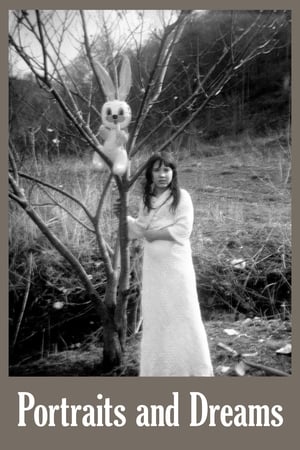
Revisit photographs created by Kentucky school children in the 1970s and the place where their photos were made. Photographer and artist Wendy Ewald, who guided the students in making their visionary photographs, returns to Kentucky and learns how the lives and visions of her former students have changed.
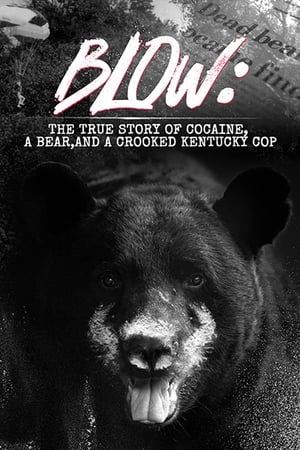
Andrew Thornton’s drug operation was one of the largest Kentucky and Tennessee had ever seen. Thornton would perish while attempting to parachute carrying African gold coins, weapons, thousands in cash and 75 pounds of cocaine. From the CIA to secret parties, Thornton is described as the James Bond of Kentucky by those who knew him. The documentary uncovers the true story behind the drug-sniffing bear and its rise to stardom. The film dissects the myths surrounding the ultimate party animal. Did Country Music legend Waylon Jennings buy the taxidermied bear? How much cocaine did it eat? And is the actual drug-eating bear now on display in a Kentucky store?
Williamstown, Kentucky, is home to the Ark Encounter – a “life-size” creationist museum filled with all of the creatures that traveled in Noah's Ark, including dinosaurs. With incredible access to the park leading up to its opening, the filmmakers expose the larger system behind the creationist movement, piecing together the many factors that have led to the museum presenting its information as historical fact, and the people who are fighting to set the scientific record straight. Amid a climate of science denial and a well-funded corporate behemoth, three Kentuckians (a local geologist, an ex-creationist, and an atheist activist) try their best to challenge the movement that is taking over their home state. Meanwhile, fervent believers work diligently to create the lifelike animatronics that will be on display in the Ark.
This Traveltalk series short visit to Kentucky starts with a view of the Cumberland River, which flows for about 700 miles through the state. The first stop is Old Fort Harrod State Park, which has a replica of the original fort, the first permanent white settlement in the state. We then visit the grave sites of two of Kentucky's favorite sons, Henry Clay in Lexington and Daniel Boone in Frankfort. At My Old Kentucky Home State Park, we see the mansion and grounds that inspired composer Stephen Foster to write the song most associated with the state. We then visit three horse farms in the area of Lexington, the state's horse racing capital: Spindletop Farm; Faraway Farm, where we are introduced to Man o' War, the greatest racehorse of the 20th century; and Elmendorf Farm, where Man o' War's sire and dam, Fair Play and Mahuba, are buried.
Examines the life and career of John Calipari, one of the most polarizing figures in modern college basketball, weaving his story around that of his 2015–16 Kentucky team.
Prestonburg, KY is a small blue-collar town with hunting, fishing, coal mining, and two of the biggest names in online horror talk radio: Wes Vance and Aaron Frye (aka "The Creepy Kentuckian" and "Uncle Bill") The two self-proclaimed "redneck geeks" bonded at a young age while their weekends devouring horror films. They now use their extensive horror knowledge to record a weekly podcast on DEADPIT.com and have found a worldwide audience through their candid conversation, quick wit, and lots of swearing. What started as an outlet to express their love for horror films has evolved into an online industry with millions of followers and the ability to talk to their childhood heroes. But what happens when your childhood pursuits start to collide with your adult aspirations? Can Deadpit survive it's own success?
Chronicles the 50-year career of singer/songwriter Jean Ritchie, from Viper, Kentucky to the New York stage. Pete Seeger, Arlo Guthrie, and her family and friends in Eastern Kentucky are among those interviewed. A 1996 KET production.
This film documents the coal miners' strike against the Brookside Mine of the Eastover Mining Company in Harlan County, Kentucky in June, 1973. Eastover's refusal to sign a contract (when the miners joined with the United Mine Workers of America) led to the strike, which lasted more than a year and included violent battles between gun-toting company thugs/scabs and the picketing miners and their supportive women-folk. Director Barbara Kopple puts the strike into perspective by giving us some background on the historical plight of the miners and some history of the UMWA. Preserved by the Academy Film Archive in partnership with New York Women in Film & Television in 2004.
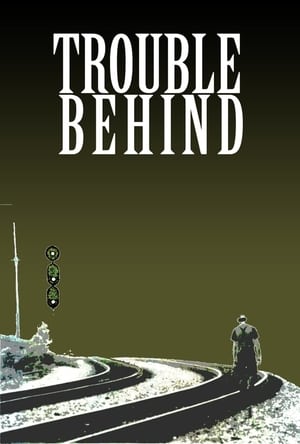
During World War I, African-Americans worked on the railroad near Corbin, Kentucky. When whites returned from the war, there was conflict. Whites sought their former jobs and positions in the community. In 1919, a race riot occurred. Whites put the African-Americans on railroad cars and ran them out of town. In Trouble Behind, members of the Corbin community speak out on the issue. The filmmakers also interview former members of the Corbin, which at the time of filming had only one black family. Some Corbin residents express confusion as to why African-Americans don't move back. Others openly use racial epithets. Some young adults seem troubled by the racism, past and present. Others don't.
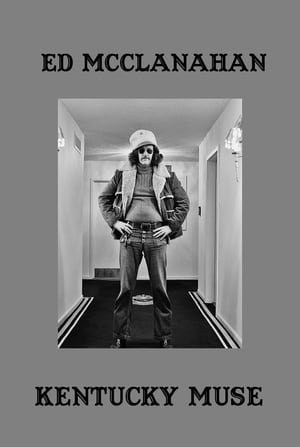
Unable or unwilling to conform to the rigid atmosphere of Washington and Lee College as a freshman, Ed bailed out after a brief stint there to attend—and graduate from—Miami of Ohio. After graduate work at UK, he left for the Left Coast, and it suited him just fine. The first stop was a writing instructorship at Oregon State, then enrollment into the Stanford Writing Program, a move shared by Jim, Wendell, and Gurney. There he cultivated, among other things, relationships with Larry McMurtry, Robert Stone, and—most importantly—Ken Kesey. Ed didn’t just experience the 1960s; he wallowed in them. Also, a bonus interview from 1996 program, Signature Live.
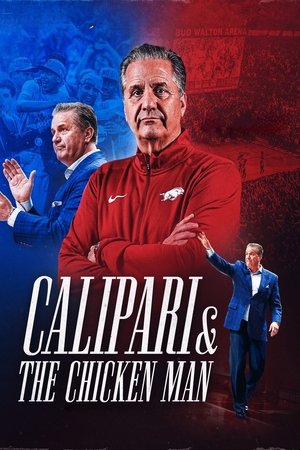
"Calipari & The Chicken Man" is an original documentary that tells the story of a billionaire college booster and a hall of fame coach, who's friendship led to one of the most shocking moves in the history of college athletics.