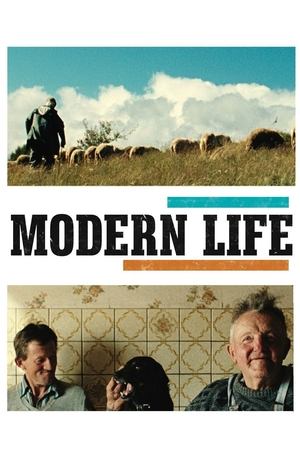
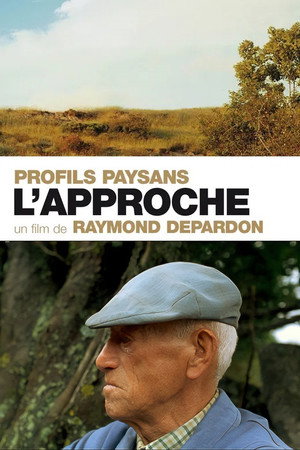
For ten years, Raymond Depardon has followed the lives of farmer living in the mountain ranges. He allows us to enter their farms with astounding naturalness. This moving film speaks, with great serenity, of our roots and of the future of the people who work on the land. This the last part of Depardon's triptych "Profils paysans" about what it is like to be a farmer today in an isolated highland area in France. "La vie moderne" examines what has become of the persons he has followed for ten years, while featuring younger people who try to farm or raise cattle or poultry, come hell or high water.
From time immemorial, the Bretons have fought many battles to safeguard their culture, rich in language, music and dance. However, Brittany was for a long time a forgotten land, neglected by the Republic which forbade its language. From the 1960s onwards, the agricultural revolution turned peasant life upside down. Its culture, which had long been supported by Catholic priests, was emancipated in the seventies, carried by a new breath of air that accompanied the Breton angers. The youth then reappropriated their language and culture. From the long years of relegation to their great anger, the Bretons have written a fascinating saga since the end of the 19th century.
The first of a documentary serie about rural France.
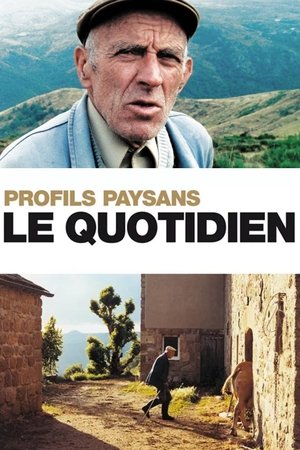
Second documentary of a trilogy produced on the long term (together with Profils paysans: l'approche (2001) and Profils paysans: La vie moderne (2008)), showing the simple lives of farmers in contemporary Southern France.
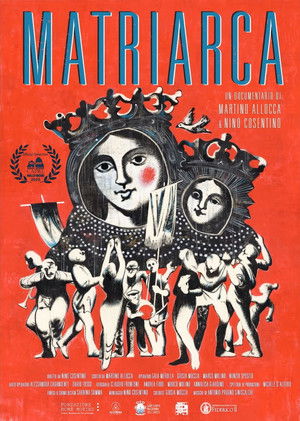
In the summer of 1961, a group of young Italian anthropologists made a clandestine journey through Spain, in order to record popular songs that supported anti-Franco resistance. As a result of their work, they were prosecuted and their recordings were censored. Sixty years later, and guided by Emilio Jona, aged 92, the last living member of that group of travellers, we recover the unpublished recordings and reconstruct the journey, today, across an emotional and political landscape, regaining historical memories through these songs, as relevant today as they were then.
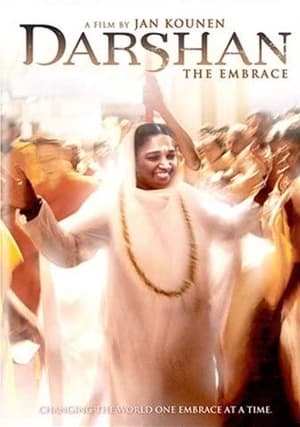
Amma, one of India's most famous "Mahatmas" or spiritual guides, is known internationally for her charitable donations, fight for peace, and work with illiteracy. In 2002, she won the Gandhi King Prize for her work, joining a prestigious group of winners that include, Nelson Mandela and Khofi Annan. Here is a chronicle of her journey throughout India, traveling with her inner circle to visit with her disciples.
The sites and sounds at the 800-year-old Horenji Temple in Kyoto — electro music, English, takoyaki, a kaleidoscopic elephant — would seem to belie its long history. But in order for the family-run temple to thrive in the 21st century, it must continue to reinvent itself. Intimately following future head priest Scion (30) along with his fiancée Haruka and firstborn sister Ariya, critically-acclaimed director Ema Ryan Yamazaki captures one unexpected corner of Japanese society's struggle to balance tradition with progress.
Les paillotes refusent de boire la tasse
En avant guinguette!
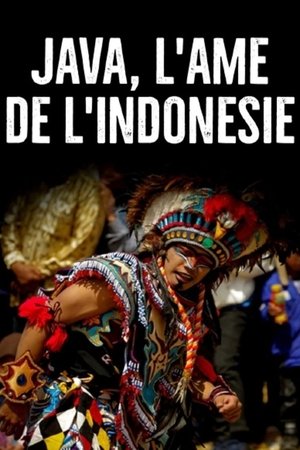
Java, l'âme de l'Indonésie
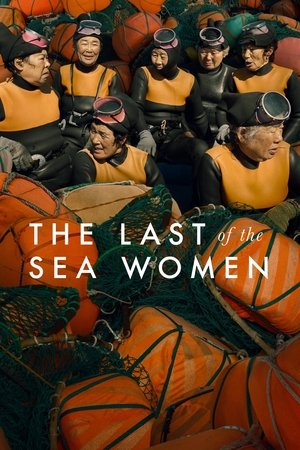
On the shores of Jeju Island, a fierce group of South Korean divers fight to save their vanishing culture from looming threats.
Through the unrelenting winter in the north of Japan, a small group of workers must brave unusual working conditions to bring to life a 2,000-year-old tradition known as sake. A cinematic documentary, The Birth of Sake is a visually immersive experience of an almost-secret world in which large sacrifices must be made for the survival of a time-honored brew.
They proclaim themselves masters of virility and seduce thousands of young Quebecers. Who are they? Journalist Simon Coutu delves into the world of influencers who claim the role of alpha male.
Sean Penn is almost a living legend. His filmography paints a picture of an 'other America': the lower class, the oppressed and the outsiders. Whether as an actor or director, he turns all the great myths upside down.
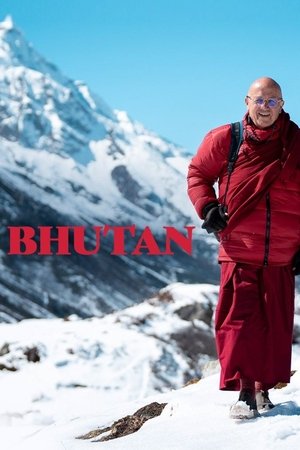
Buddhist monk and photographer Matthieu Picard as he returns to the Asian country in the Himalayas where he spent a decade after seven years away, revisiting breathtaking landscapes and experiencing local traditions.
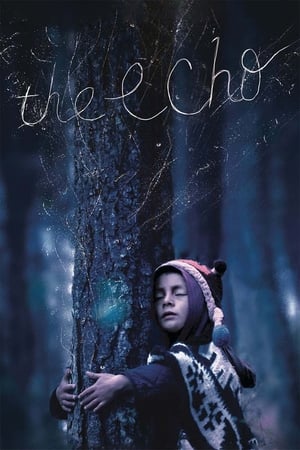
In the remote village of El Echo that exists outside of time, the children care for the sheep and their elders. While the frost and drought punish the land, they learn to understand death, illness and love with each act, word and silence of their parents. A story about the echo of what clings to the soul, about the certainty of shelter provided by those around us, about rebellion and vertigo in the face of life. About growing up.
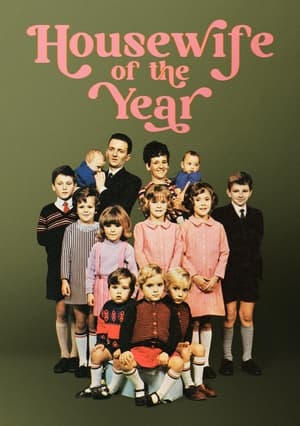
It was a different time! The female contestants on an Irish TV show with an iconic gentleman host look back on a beige-coloured chapter in TV history. More than entertaining kitsch, and with some delightfully quick-witted ladies in the winning role.
The secrets about unlocking the mysteries of consciousness by plant-drugs. The related chances and risks involved in this shamanism. While filming Blueberry, the Secret Experience, Jan Kounen met the Shipibo healers of the Peruvian Amazon and discovered their sacred plant: Ayahuasca, the spirit vine. Deeply affected by this experience, he decided to return to Peru to shoot a documentary on the plant and the medicinal rites of the shamans. To this end, he filmed the natives but also met neurologists, philosophers, artists, and chemists working on this subject. He notably interviewed Jean Giraud, the illustrator of Blueberry, and Kary Mullis, winner of the 1993 Nobel Prize in Chemistry. More than a traditional documentary, the film is an invitation to travel, a half-open door to another world or another perception of reality. The secrets about unlocking the mysteries of consciousness by plant-drugs. The related chances and risks involved in this shamanism.
Qui veut brûler le Père Noël ?
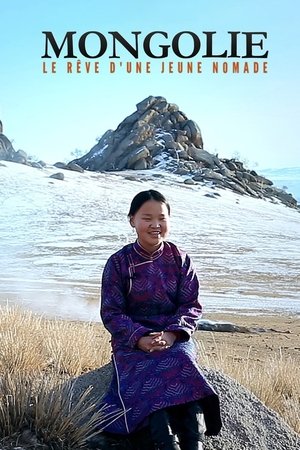
Mongolie, le rêve d'une jeune nomade