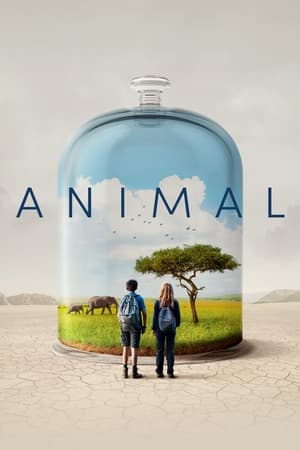
16-year-old Bella and Vipulan are part of a generation convinced its very future is in danger. Between climate change and the 6th mass extinction of wildlife, their world could well be inhabitable 50 years from now. They have sounded the alarm over and over, but nothing has really changed. So they’ve decided to tackle the root of the problem: our relationship with the living world. Over the course of an extraordinary journey, they come to realize just how deeply humans are tied to all other living species. And that by saving them… we’re also saving ourselves. Humans thought they could distance themselves from nature, but humans are part and parcel of nature. For man is, after all, an Animal.
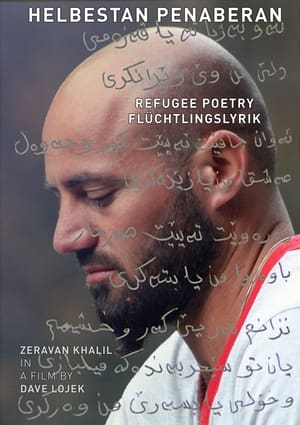
The Kurdish Iraqi poet and actor Zeravan Khalil travels with his dog through an Alpine gorge after fleeing from IS war and genocide. As he remembers the abomination, he writes a poem with the title “You drive me mad” in Kurmanji Kurdish. In his home country, Yazidic Kurds are forbidden to work in his profession. Then he eats his apple and wanders through Europe’s middle with more hope.
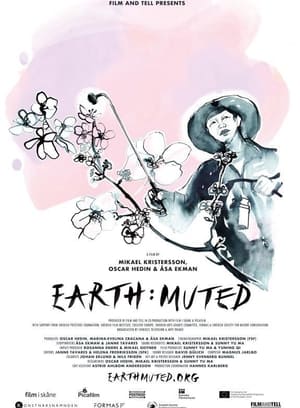
Three farming families in Hanyuan, China, strive to give their children a good life in the midst of an ecological crisis, as widespread use of pesticides leads to a dramatic decline in bees and other pollinating insects in the valley.
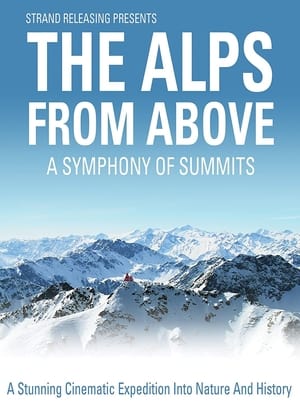
The most important mountain range in Europe is more than a holiday destination for sports and relaxation. The Alps are not just an unpredictable force of nature against which humans have to assert themselves again and again, or an area steeped in history, but also a landscape that enchants. The documentary takes a foray through the history and geography of the Alps.
Hydrogène, la belle promesse
A sea-turtle grew tumors that are believed to be human induced. Experts talk about their relationship with turtles like her and call audiences to action.
Dark green, impenetrable forests cover a landscape with secluded valleys and rugged mountain ridges. 2.000 rivers and streams dig deep into the underground and transport their water into reservoirs or "Germany's Wild Amazon", the Wupper. These forests and rivers, together with heath-lands and moors, are home to a diverse fauna. Martens, badgers, wild boars, hares, roe deer, red deer and wild boars, even black grouse and hazel deer find shelter in these parts. Wolves have also have a dominant presence, not to mention those who live underground, such as lizards, bats, and snakes. Accompany us on a journey where we explore every corner of this rugged land. Climb underground into the Bergisches Land, through the vast hidden cave systems that sprawl far beneath the forests. There is also much to be discovered in the water, dive with us in crystal clear streams and rivers with their diverse flora and fauna.
The Harvest Mouse: Grassland Acrobat
In a beautiful garden called Ecos, there are a variety of creatures there who neatly fulfill vital roles in the healthy ecological system of the area. However, this state of reasonable environmental harmony is disrupted when a new species of grub like creatures begin to ravish the land of a needed fruit. This folly leads to the disruption of the environment of the garden while this greed leads to a series of events that have tragic consequences.
Devastating hurricanes, torrential rains, the inexorably rising waters: coastal megacities are now up against the wall. The filmmakers have chosen three emblematic cities: New York, Singapore and Rotterdam. Cities that each face unique problems and must revisit their relationship with water in order to survive on the long run. In 50 years, all surge barriers in the world will be out of order. What solutions will then remain for coastal cities?
Tokyo, the largest city in the world, wants to create a new urban culture. It is returning to the urban traditions and building techniques of the small town. The aim is to create a new balance between megacity and small-scale garden city. Tokyo's architects are the driving force. They want to create a new urban culture with revolutionary ideas.
Julien, le marais et la libellule
Poliske was contaminated with radioactive material after the 1986 Chornobyl disaster. Soviet authorities did everything they could to erase the ancient history of this town, and after Chornobyl, they destroyed its future.
The issue of illegal dumping is tackled by a group of Irish students, exposing the motives, behaviors and consequences of dumping around their local town.
Hosted by Val Kilmer, the documentary follows playwright Nicholas Ellenbogen as he travels to remote communities in six different African countries. In each community, the residents have taken an holistic and somewhat controversial approach to managed wildlife care.
Our planet is running out of drinking water. Only a vanishingly small proportion of the world's water is available as usable fresh water. This precious resource is beginning to shrink at an alarming rate, as natural water reservoirs are out of balance due to climate change. The documentary accompanies research projects that offer hope.
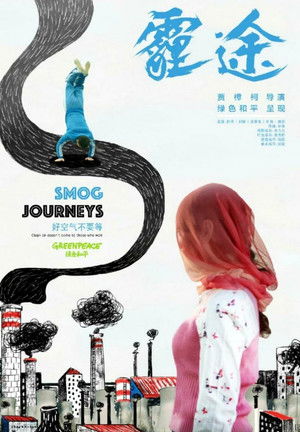
Jia Zhangke's short film for Greenpeace East Asia depicts the effects of air pollution in northeast China, a region frequently blanketed in dangerous levels of air pollution. 'Smog Journeys' traces two families from two different backgrounds; one a mining family in Hebei province, and the other a trendy middle class family in Beijing. Both face a similar fate. Air pollution is one of China's most pressing environmental and health issues. Greenpeace calls for a shift from coal to clean renewable energy, as well as short term measures that better safeguard people's health.
Intended to offset companies' CO₂ emissions, is carbon offsetting just a fool's bargain? This investigation, conducted across the globe, delves into the unsavory behind-the-scenes reality of a vast greenwashing system.
A passionate conservation biologist brings together a river bushman fearful of losing his past and a young scientist uncertain of her future on an epic, four-month expedition across three countries, through unexplored and dangerous landscapes, in order to save the Okavango Delta, one of our planet's last pristine wildernesses.
For five days in December 1952, a thick smog suffocated the British capital causing the death of thousands of Londoners. The health catastrophe lead to a realisation, in Britain and around the world, that air pollution was a serious threat to human health. This documentary reveals what happened, hour by hour, in one of the worst peacetime disasters of the 20th century.