Mauricio, a lifeguard on a Chilean beach, considers himself to be a model of efficiency and professionalism. His colleagues, however, think otherwise, and speculate on why he never goes into the water. Maite Alberdi's visually gorgeous feature documentary debut has the intensity of a short story; beginning as a quirky character study of lifeguards and beachgoers, it becomes something altogether darker and more shocking when events take a dramatic turn.
The film provides a comprehensive guide on snorkeling skills and rescue techniques, emphasizing the importance of proper equipment such as masks, snorkels, and fins. It discusses how to choose the right mask for comfort and fit, the proper use of snorkels, and techniques for clearing water from both masks and snorkels. The film also covers essential skills for entering the water safely, practicing buddy systems during snorkeling, and techniques for locating and rescuing submerged victims. It highlights the need for training and emphasizes that while these skills are crucial for rescue, they do not replace the need for a full certified course in skin diving.
This 1974 film is dedicated by the Chlorine Institute to the public interest. It is specifically intended to assist firefighters and other emergency services. The techniques demonstrated are appropriate for emergency use; different circumstances might require modified or additional procedure. The information is drawn from sources believed to be reliable. The Institute, its members any organizations cooperating in the development of this film, jointly or severally, cannot be responsible for how the information is used and must make this legal disclaimer. This is a 1960s era, color movie about Chlorine and emergency workers… specifically, firefighters. The film is intended to show firefighters what chlorine is, what a chlorine emergency might involve, how a company can plan ahead and how an emergency can be handled safely.
What is it about Speedos? Well here Australian director Tim Hunter is on a mission to find the answer to the question of why so many gay men can't seem to get enough of hunks in tight fitting trunks? Although somehow I think the answer can be found in the question! Anyway in a bid to discover the truth, Hunter has carried out a series of interviews with men who have more than a passing interest in this briefest of garment, including that of Speedo designer Peter Travis, who here relates his part in the history of 'the male equivalent of the Wonder Bra.'
16 young people are doing their two-week lifeguard service on the Baltic Sea island of Fehmarn. They navigate between responsibility, belonging to a group and personal self-discovery, while more and more non-swimmers go swimming.
Len is a Surf Lifesaving champion, a legend in the cloistered surf club just like his father. When the younger, faster, and fitter Phil arrives at the club, Len’s legendary status starts to crumble. Then Len sees Phil arriving in the company of another man. Phil is gay.
An overworked career woman leaves her life in the city for an island vacation only to encounter eccentric local inhabitants.
The film emphasizes the critical role of lifeguards in preventing accidents and ensuring safety at swimming facilities. It outlines essential lifeguarding practices, including constant vigilance, effective communication, and the importance of preventive measures. Lifeguards must enforce rules, monitor hazards, and maintain proper equipment to handle emergencies. The film also highlights the need for a buddy system among swimmers, proper training, and regular breaks for lifeguards to maintain alertness.
This is a combination coming out and first love story. The swimmer and diver Lucard is interested in attractive Martin. The film follows the characters' coming out with all its difficulties, the bitter-sweet pleasures of first love and the dreadful moment when one comes down to reality and realizes that one's beloved friend has a hard way to go yet. The positive message the film tries to transmit is the somewhat common motto "Live each day of your life as if it were your last."
The director of a failing summer camp decides to invite campers from ten years ago for a free weekend event, hoping that he can trick them into fixing up the place and also get their families to provide them some financial support. The boys and girls return to the camp and play pranks on each other and try to score with the other campers and the staff.
The film focuses on the essential techniques for lifesavers to safely rescue individuals in distress without endangering themselves. It highlights various scenarios where rescuers must handle panicky victims, employing strategies like blocking, turning, and escaping from holds. The film emphasizes the importance of training and preparedness, demonstrating effective techniques for releases and escapes to ensure the safety of both the rescuer and the victim.
Emphasizes the importance of safe, non-swimming techniques for rescuing drowning victims, highlighting that most drownings can be prevented with proper knowledge. It details various approaches and adaptations for lifesaving, including entry methods, swimming strokes, and carries, while stressing that swimming rescues should only be a last resort. Lifesavers must be proficient in swimming skills before engaging in rescue training, and constant practice is essential for maintaining these skills.
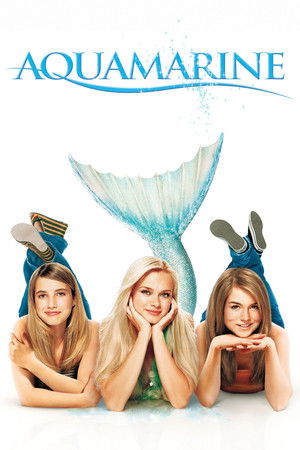
Two teenage girls discover that mermaids really do exist after a violent storm washes one ashore. The mermaid, a sassy creature named Aquamarine, is determined to prove to her father that real love exists, and enlists the girls' help in winning the heart of a handsome lifeguard.
As two brothers fall in love with the same woman they must come to grips with the accidental death of their father in this sensitive drama set in Miami.
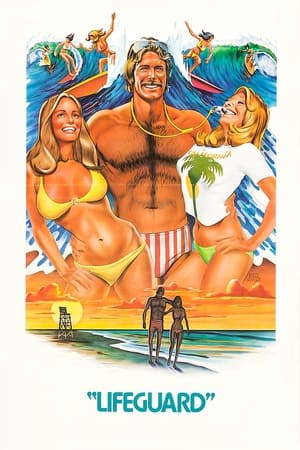
Rick is a Los Angeles County lifeguard who is in his thirties. At his 15-year high school reunion, he sees his old girlfriend who is now a divorced mother. After falling in love with her, Rick considers changing his career and lifestyle.
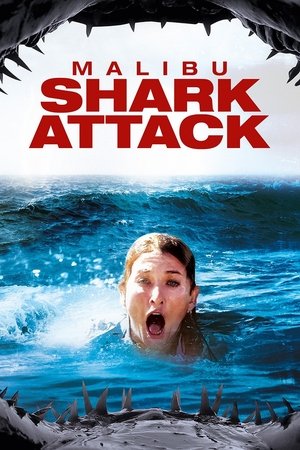
An underwater earthquake generates a tsunami that strikes Malibu, bringing a hunting pack of prehistoric-looking goblin sharks to the surface. Although the beach is evacuated before the big wave strikes, a group of lifeguards and a crew of construction workers are stranded in the high water and have to fight the sharks to get to dry land.
After her release from involuntary hospitalization, “Annie” grapples with the trauma of her confinement, all while working as a lifeguard, a job that becomes increasingly challenging as she descends deeper into despair.
Justin, a 17-year old entering his final year of high school, gets a job as a life guard at a fitness center. Surrounded by hard bodies of both sexes and instructed by his boss to keep an eye on the steam room to report any men having sex, Justin begins to divine the direction his erotic feelings point. In separate incidents, Vicky and Russell, two older co-workers, hit on him. He tries out responses to both, and then must figure out what to do with his new self-knowledge.
This animated short tells the story of Seraphim "Joe" Fortes, one of Vancouver's most beloved citizens. Born in the West Indies, Joe Fortes swam in English Bay for over than 30 years. A self-appointed lifeguard at first, he became so famous that the city of Vancouver finally rewarded him with a salary for doing what he loved best.
Pals Danny and Frank spend the summer after high school working as lifeguards while figuring out their future.