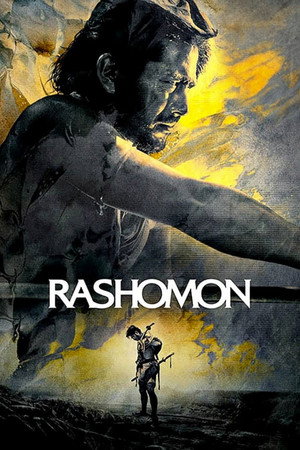
Four people recount different versions of the story of a man's murder and the rape of his wife.
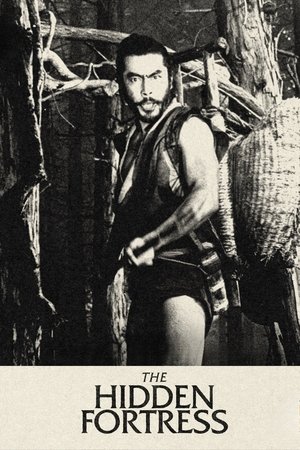
In feudal Japan, during a bloody war between clans, two cowardly and greedy peasants, soldiers of a defeated army, stumble upon a mysterious man who guides them to a fortress hidden in the mountains.
三屋清左衛門残日録 三十年ぶりの再会
A poor peasant, after years of scraping, becomes a rich and powerful Osaka merchant. Mizoguchi Kenji's final project; he died before completing it and directing duties turned over to Yoshimura Kozaburo.
三屋清左衛門残日録 完結篇
三屋清左衛門残日録
Chushingura has been made into a movie several times before, but this time it will be presented in a widescreen version with all natural colors and a new look. Written by Masato Ide and directed by Tatsuo Osone. This is a magnificent scroll of images that depicts on a grand scale the triumph of the Genroku era that shook the citizens of Edo, the peaceful capital of Japan. The top stars of the film, shinpa, shingeki, and kabuki worlds at the time of production were lavishly cast, and a huge budget was invested to create a large set for this highly acclaimed and moving epic.
In Edo-era Japan, a ukiyo-e artist languishes in his master’s shadow. Creatively stifled, he finds consolation in the company of a prostitute, and becomes entangled in a love triangle. A mystery emerges involving two portraits and the sudden disappearance of the artist Sharaku. Helmed by Cannes-selected director Tatsuji Yamazaki, the film employs kabuki-inspired sequences and stylised sets.
Writer Jippensha Ikku hears Tsutaya Juzaburo, a wholesaler of picture books, mutter on his deathbed, "Where has Sharaku gone?" He begins to figure out the true identity of Sharaku, who disappeared after about 150 portraits of actors he created came out.
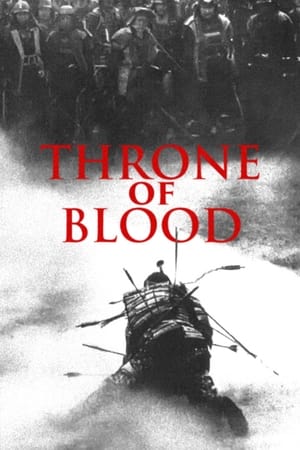
Returning to their lord's castle, samurai warriors Washizu and Miki are waylaid by a spirit who predicts their futures. When the first part of the spirit's prophecy comes true, Washizu's scheming wife, Asaji, presses him to speed up the rest of the spirit's prophecy by murdering his lord and usurping his place. Director Akira Kurosawa's resetting of William Shakespeare's "Macbeth" in feudal Japan is one of his most acclaimed films.
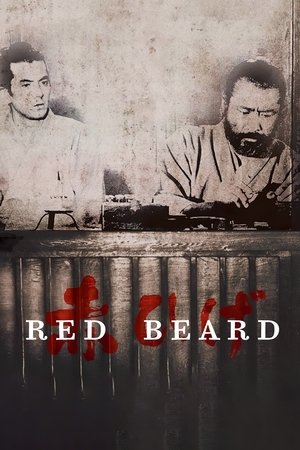
Aspiring to an easy job as personal physician to a wealthy family, Noboru Yasumoto is disappointed when his first post after medical school takes him to a small country clinic under the gruff doctor Red Beard. Yasumoto rebels in numerous ways, but Red Beard proves a wise and patient teacher. He gradually introduces his student to the unglamorous side of the profession, ultimately assigning him to care for a prostitute rescued from a local brothel.
Zatoichi is sworn to protect the life of a young girl and without any real allies finds himself in the middle of a bloody turf war.
Ichi is a blind entertainer that travels the countryside with her traditional Japanese guitar and walking stick. She’s in search for the kind man that brought her up as a child, but because of her beauty she encounters problems every step of the way. Fortunately for Ichi, she is also a gifted swordswoman and carries a lethal blade within her walking stick.
A group of travelers is stranded in a small country inn when the river floods during heavy rains. As the bad weather continues, tensions rise amongst the trapped travelers.
When his mother's untimely death quickly follows his father's, a doctor begins to believe a killer may be targeting him and his amnesiac wife.
Japan, 1785. Jūzaburō, a famous thief who refuses to kill innocent people, is betrayed, ambushed, and left for dead.
The mother of a feudal lord's only heir is kidnapped by the lord. Her husband and his samurai father must decide whether to accept the unjust decision, or risk death to rescue her.
Nakazo is forced by his foster mother, Shun, to practice dance intensively. He is bullied in the Kabuki world, and worries about his future as an actor.
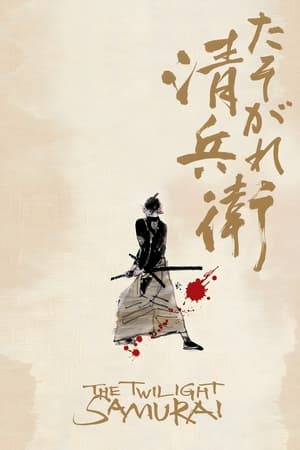
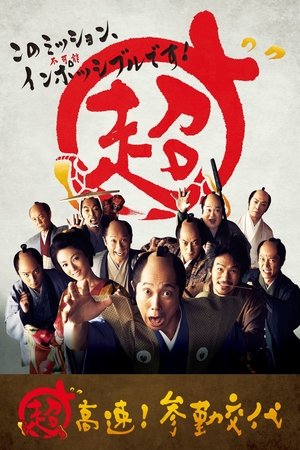
Kanichiro Yoshimura is a Samurai and Family man who can no longer support his wife and children on the the low pay he receives from his small town clan, he is forced by the love for his family to leave for the city in search of higher pay to support them.
The background to and depiction of a watershed battle in Japanese history, at Sekigahara in 1600, when Tokugawa Ieyasu's Army of the East defeated the Army of the West of Ishida Mitsunari. The story includes the intrigues and shifting loyalties of the various retainers, family members, and samurai.