After 10 years of tests and 12 billion Euros invested, the state-of-the-art Airbus jet completed its first commercial flight in January 2015. We will discover how it was conceived and built, and explore its technological innovations every step of the way.
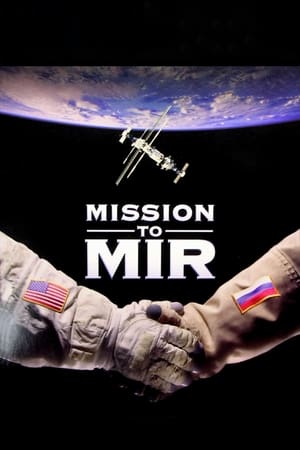
This film shows how far we have come since the cold-war days of the 50s and 60s. Back then the Russians were our "enemies". And to them the Americans were their "enemies" who couldn't be trusted. Somewhere in all this a young girl in Oklahoma named Shannon set her sights on becoming one of those space explorers, even though she was told "girls can't do that." But she did.
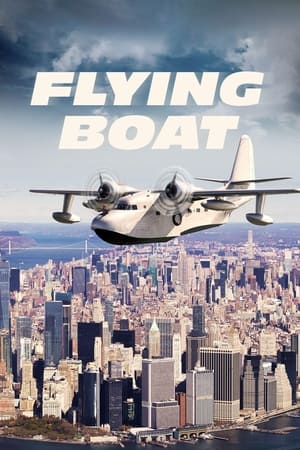
A celebration of those still flying the last remaining Grumman Albatross, a seaplane from a long-lost era of adventure and romance.
Doolittle's Raiders pull off a one-way bombing run over Tokyo and ditch their planes in and along the coast of China, where they are rescued by Chinese villagers, guerrillas, and missionaries. That generosity triggers horrific retaliation by the Japanese that claims an estimated quarter-million lives and prompts comparisons to the 1937-38 Rape of Nanking. The memory of the Raiders and their rescuers is kept alive by their children and grandchildren.
19 years after the dropping of atomic bombs in Japan, the Olympic Games of 1964 took place in Tokyo. In the midst of the cold war, the games are supposed to become a symbol for a peaceful world. Especially the divided Germany is expected to prove this: By order of the IOC, both German states must participate in Tokyo with a joint team despite deep ideological rifts. The fact that athletes from both German states still had to compete against each other in order to form a joint team for the 1964 Olympic Games in Innsbruck and in Tokyo is all but forgotten. The film tells the story of the East-West German team of 1964 for the first time and is simultaneously a current document about the relation of sports and politics in international relations.
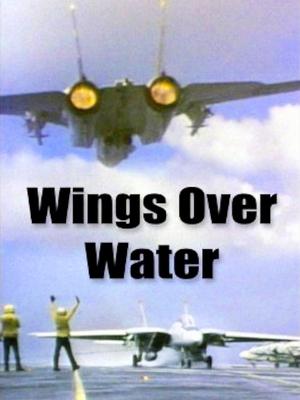
Wings Over Water tells the fascinating story of naval aviation's critical role in making the U.S. a world power. Film highlights include archival footage of some of the most terrifying and intense airspace battles fought and the intriguing interviews of the veterans who took part in them. This is the story of naval aviation from its conception to the important role it played in battles fought, won, and lost, all the while examining American foreign policy, foreign relations, and long-simmering international conflict. An evocative, powerful, and informative documentary, Wings Over Water is the story behind the story: how and why America developed maritime aviation technology, what it meant to our past, and what it means to our future.
13 August 1961: the GDR closes the sector borders in Berlin. The city is divided overnight. Escape to the West becomes more dangerous every day. But on September 14, 1962, exactly one year, one month and one day after the Wall was built, a group of 29 people from the GDR managed to escape spectacularly through a 135-meter tunnel to the West. For more than 4 months, students from West Berlin, including 2 Italians, dug this tunnel. When the tunnel builders ran out of money after only a few meters of digging, they came up with the idea of marketing the escape tunnel. They sell the film rights to the story exclusively to NBC, an American television station.
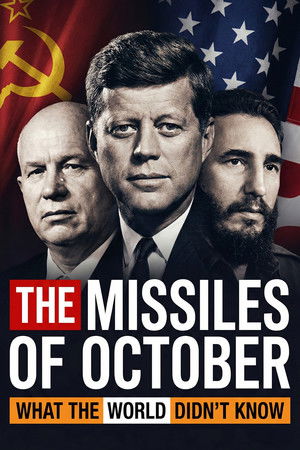
This documentary by ABC News commemorates the 30th anniversary of the 1962 Cuban Missile Crisis. It provides a behind-the-scenes look at how close the U.S. and Soviet Union actually came to catastrophe.
Eight decades after her disappearance, Amelia Earhart's incredible accomplishmenys are still celebrated, thanks in large part to her sister Muriel.
A film about the education of young aviators, which uses the natural interest of the youth in aviation and leads them through modeling circles and motorless flying to flying powered planes.
Film sponsored by Western Electric (AT&T's equipment manufacturing division), the builder of the United States Air Force's White Alice Communications System in Alaska. Introduces the people and geography of the new state as well as the Western Electric radio-relay system, which links far-flung military sites, alert stations, and missile-warning facilities. Ralph Caplan praised the film's "intrinsically dramatic and highly photogenic" portrayal of communications equipment.
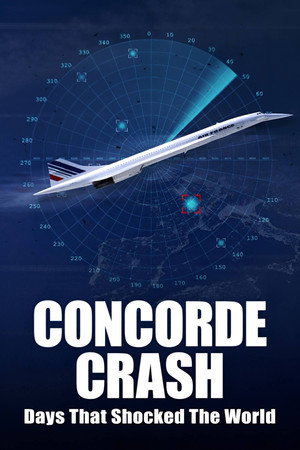
Concorde was an icon of the skies, but on 25 July 2000, Air France Flight 4590 left Paris for New York and caught fire during take-off before crashing to the ground just over a minute later, killing everyone on board. The tragedy brought an end to the dream of supersonic passenger flight. But what caused the disaster? Investigators, survivors’ loved ones and those who examined the wreckage recall the tragedy and describe how the evidence led to a shockingly simple conclusion about what went wrong.
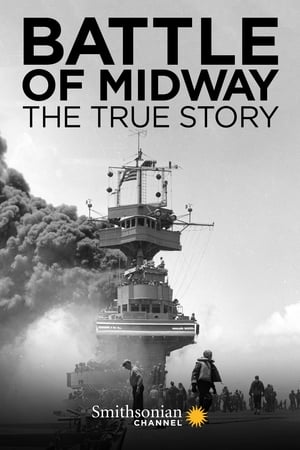
It's June 1942 and the world's fate is about to be decided by a handful of pilots and their untested aircraft. Experience an inside look at the Battle of Midway, captured through rarely seen battle footage and firsthand accounts from its hero dive-bombing pilot, "Dusty" Kleiss. This is an hour-by-hour recount of one of the most pivotal conflicts of the 20th century. Take a closer look at how this desperately needed victory came about through the design of U.S. airplanes, the skill of the pilots, the element of surprise, and a stroke of luck.
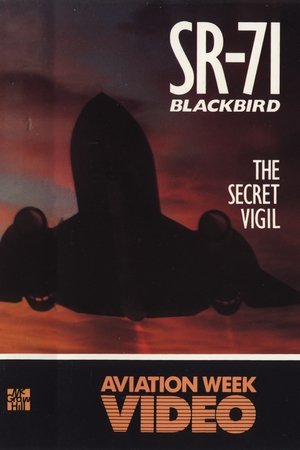
Few aircraft have attracted more attention than the ominous black supersonic jet that for years has ranged the world on reconnaissance missions. This is the definitive tribute to an extraordinary peacekeeper, the SR-71 Blackbird. The History. The Technology. The Missions. The Pilots. And compelling, gripping footage of the Blackbird itself, on its "rocket ride" through the world's airspace.
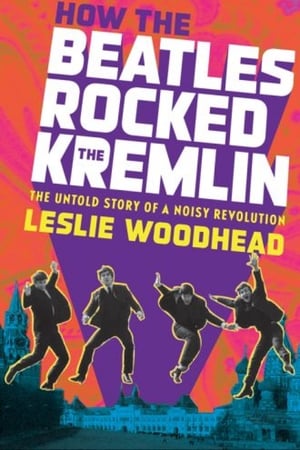
In August 1962, director Leslie Woodhead made a two-minute film in Liverpool's Cavern Club with a raw and unrecorded group of rockers called the Beatles. He arranged their first live TV appearances on a local show in Manchester and watched as the Fab Four phenomenon swept the world. Twenty-five years later while making films in Russia, Woodhead became aware of how, even though they were never able to play in the Soviet Union, the Beatles' legend had soaked into the lives of a generation of kids. This film meets the Soviet Beatles generation and hears their stories about how the Fab Four changed their lives, including Putin's deputy premier Sergei Ivanov, who explains how the Beatles helped him learn English and showed him another life. (Storyville)
Tensions between the USSR and the United States were high in 1959, with the seemingly constant threat of nuclear war. Then some unlikely ambassadors stepped forward to clear all that away: the Harlem Globetrotters. From Harlem With Love is the story of how a group of barnstorming basketball players traveled to the heart of the Soviet Union at the height of the Cold War and bridged a cultural gap many thought would stand forever.
With the Doomsday Clock the closest it's ever been to midnight, Jane Corbin investigates the proliferation of nuclear weapons across the globe. She visits Los Alamos, home to the United States’ nuclear weapons development facility and the historic home of Oppenheimer’s Manhattan Project. In Scotland, she reveals the strategy behind Britain’s nuclear deterrent, and speaks to campaigners in Suffolk fighting against US weapons they fear will be based on UK soil. Jane also discovers how many of the global agreements and safeguards that have constrained the spread of nuclear weapons since the 1970s are breaking down. This is a story told by the scientists, investigators and diplomats who set the clock and have fought to ensure that the ultimate deterrent has not been used in over 70 years.
An essay film exploring the thirteen United States Presidents that have led the country through war and conflict from 1950 to 2025.
Contrasting radical mobs, anarchy, and 1960s counterculture with footage of American manufacturing and innovation, this film celebrates the concept of American exceptionalism and argues that anti-Vietnam War protesters were influenced by communism, atheism, and immorality. Set mostly in a university library, this political debate between a medical student, his 1770s ancestor, and a history professor is a sequel to the 1972 National Education Program film, Brink of Disaster! Two additional characters appear in this drama: a 19th-century steamboat captain, and the student’s grandfather - an early 20th-century automobile worker. The National Education Program at Harding College in Searcy, Arkansas created a variety of widely-distributed anti-communism films from the mid-1940s to the early 1970s.
Today London, tomorrow Paris, the day after New York – the life of the "jetsetter." Long before the climate crisis and flight shame, flying was considered the epitome of luxury, freedom, and cosmopolitanism. Passenger aviation is making flight attendants and pilots the ultimate dream jobs. Modern aircraft are setting new standards in comfort, technology, and style. Flying is becoming a hobby of high society.