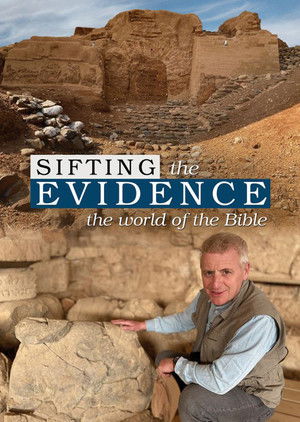
If there is one part of the Bible that has undergone more scrutiny and abuse than any other, it is the very beginning—GENESIS! So what exactly happened at the "Creation," at the "Beginning?"
Thousands of terracotta warriors guarded the first Chinese emperor's tomb. This is their story, told through archeological evidence and reenactments.
This historical drama tells the story of Qin Shihuang, who unified China's vast territory and declared himself emperor in 221 B.C. During his reign, he introduced sweeping reforms, built a vast network of roads and connected the Great Wall of China. From the grandiose inner sanctum of Emperor Qin's royal palace, to fierce battles with feudal kings, this film re-creates the glory and the terror of the Qin Dynasty, including footage of Qin's life-sized terra cotta army, constructed 2,200 years ago for his tomb.
Les secrets du mont Olympe
Jesus comes to the city with his friends. He inspires people with his ideas and not only stands up for minorities, but also rejects the existing elites. As a result, he is a thorn in the side of the religious and political leaders. The Passion is a story that could not be more topical. It is about murder and betrayal, but also about love and about Jesus, who has changed our world forever. On March 27, 2024, this exciting live event will return! The whole thing will take place in Kassel this year. The story of the last days of Jesus of Nazareth is brought up to date with pop songs.
The Pharaoh's Lost City
Move over, King Tut: There's a new pharaoh on the scene. A team of top archaeologists and forensics experts revisits the story of Hatshepsut, the woman who snatched the throne dressed as a man and declared herself ruler. Despite her long and prosperous reign, her record was all but eradicated from Egyptian history in a mystery that has long puzzled scholars. But with the latest research effort captured in this program, history is about to change.
Ancient pharaoh Akhenaten was almost lost to history. Canadian archaeologist Donald Redford, who uncovered the foundation of one of the pharaoh’s many temples, attempts to finally piece together this great Egyptian ruler’s enigmatic story.
In 1872, in the cave of Cavillon in Monaco, archaeologist Émile Rivière (1835-1922) unearthed an apparently very old human skeleton, at least 24,000 years old, a discovery that changed the modern image of prehistoric men and women.
Esther, the beautiful queen of Persia, intervenes to save the Jewish people from a bloody massacre.
Rather than choosing a great leader or king, God chooses Abraham, an elderly shepherd from Mesopotamia, as the way to establish his Covenant with mankind... A man of great faith, Abraham continues to believe in God even when He seems to have abandoned him.
An all-enveloping darkness. Suddenly, a child's voice, frightened, questioning, pierces the darkness... The first flickering rays of light begin to sculpt mysterious shapes out of the darkness... Among them, a very old man. He reassures the child, exhorting him to see the wonders of the earth. And it is with this child's eyes that we will witness the creation of the world.
A biblical epic from the Book of Acts and Paul's epistles covering his conversion from Saul of Tarsus to his ministry to the Gentiles.
Isaac's son Jacob deprives his brother Esau of his birthright and has to flee for his life. He finds shelter with his uncle Laban, but is himself deceived. Finally, Jacob has to face both his uncle and brother.
A distinguished military leader whose reign was touched by great scandal, shocking betrayals and rousing victories. A simple shepherd boy chosen to be king, under the watchful eyes of prophet Samuel.
Jesus, a carpenter living a simple life, discovers his destiny as the biblical Messiah.
Joseph, favored son of Jacob and great-grandson of Abraham, is sold into slavery by his jealous brothers. Rising to become prime minister of Egypt. Joseph governed the country during a seven year famine, during which his brothers visit Egypt seeking grain, only to encounter their brother, presumed long dead.
An intimate portrayal of the everyday lives of Carthusian monks of the Grande Chartreuse, high in the French Alps (Chartreuse Mountains). The idea for the film was proposed to the monks in 1984, but the Carthusians said they wanted time to think about it. The Carthusians finally contacted Gröning 16 years later to say they were now willing to permit Gröning to shoot the movie, if he was still interested.
The Scythians, skilled horsemen and nomadic conquerors, built a feared empire in the vast Eurasian steppe between the 9th and 3rd centuries B.C. All that remains are their graves: the Kourganes. In April 1999, a 2400 year-old Scythian tomb was discovered in Kazakhstan. It contained, among other treasures, twelve horses completely harnessed in gold, suggesting high social status.
What is true and what is false in the hideous stories spread about the controversial figure of the Roman emperor Gaius Julius Caesar Augustus Germanicus (12-41), nicknamed Caligula? Professor Mary Beard explains what is accurate and what is mythical in the historical accounts that portray him as an unbalanced despot. Was he a sadistic tyrant, as Roman historians have told, or perhaps the truth about him was manipulated because of political interests?