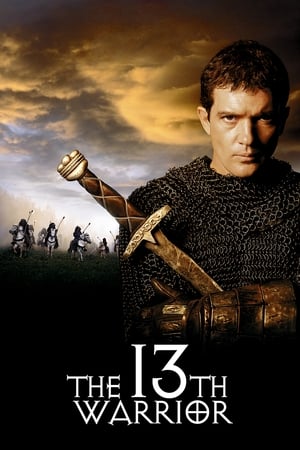
A Muslim ambassador exiled from his homeland joins a group of Vikings, initially offended by their behavior but growing to respect them. As they travel together, they learn of a legendary evil closing in and must unite to confront this formidable force.
Set during the early part of his reign, Ivan faces betrayal from the aristocracy and even his closest friends as he seeks to unite the Russian people. Sergei Eisenstein's final film, this is the first part of a three-part biopic of Tsar Ivan IV of Russia, which was never completed due to the producer's dissatisfaction with Eisenstein's attempts to use forbidden experimental filming techniques and excessive cost overruns. The second part was completed but not released for a decade after Eisenstein's death and a change of heart in the USSR government toward his work; the third part was only in its earliest stage of filming when shooting was stopped altogether.
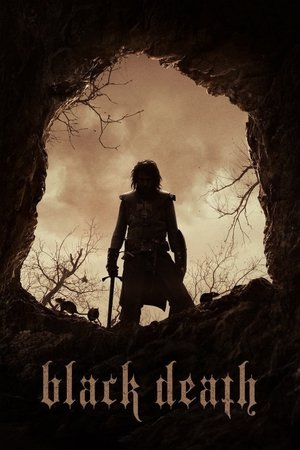
As the plague decimates medieval Europe, rumours circulate of a village immune from the plague. There is talk of a necromancer who leads the village and is able to raise the dead. A fearsome knight joined by a cohort of soldiers and a young monk are charged by the church to investigate. Their journey is filled with danger, but it's upon entering the village that their true horror begins.
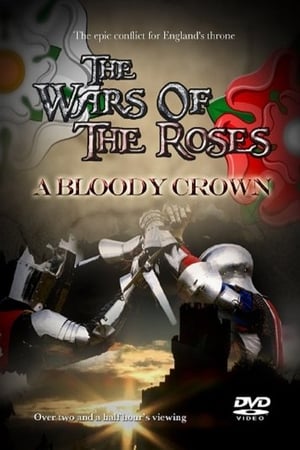
Using historically-accurate, battle-filled re-enactments and interviews with expert historians and noted authors, this two-part documentary series brings to vivid life the captivating true stories behind Britain's bloody civil wars.
Sir Walter Scott's classic story of the chivalrous Ivanhoe who joins with Robin of Locksley in the fight against Prince John and for the return of King Richard the Lionheart.
In 1315, the Great Famine swept across the land, and a family of farmers are struck with the loss of their son. When the body goes missing, their sanity hangs on by a thread.
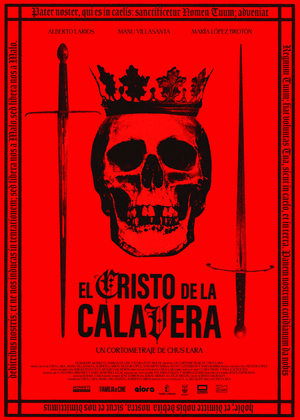
Cartagena, Colombia – 1666. An enslaved woman accused of witchcraft comes face to face with evil incarnate and a Faustian bargain for her freedom while imprisoned in the bowels of the Palace of the Inquisition.
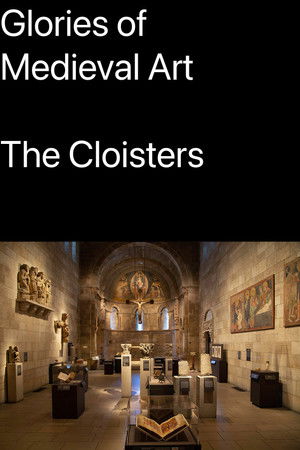
Philippe de Montebello, Director of The Metropolitan Museum of Art from 1977 to 2008, guides viewers through The Cloisters, pointing out Romanesque and Gothic architecture and artwork, beautiful tapestries, and the diverse species in the gardens. He outlines the history of the building and it's many influences and highlights significant works of art in the collection. It was produced in 1989 by The Metropolitan Museum of Art's Office of Film and Television.
This is the second part of a projected three-part epic biopic of Russian Czar Ivan Grozny, undertaken by Soviet film-maker Sergei Eisenstein at the behest of Josef Stalin. Production of the epic was stopped before the third part could be filmed, due to producer dissatisfaction with Eisenstein's introducing forbidden experimental filming techniques into the material, more evident in this part than the first part. As it was, this second part was banned from showings until after the deaths of both Eisenstein and Stalin, and a change of attitude by the subsequent heads of the Soviet government. In this part, as Ivan the Terrible attempts to consolidate his power by establishing a personal army, his political rivals, the Russian boyars, plot to assassinate him.
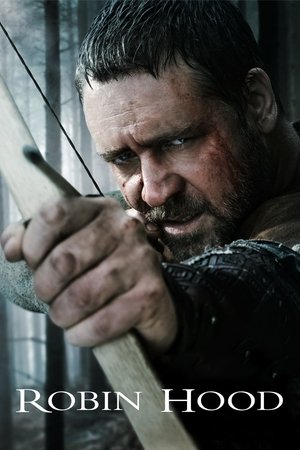
When soldier Robin happens upon the dying Robert of Loxley, he promises to return the man's sword to his family in Nottingham. There, he assumes Robert's identity; romances his widow, Marion; and draws the ire of the town's sheriff and King John's henchman, Godfrey.
Hearing rumours of a cache of Roman Gold, King Richard I of England sieges a disused castle in France, as plots around his power grow
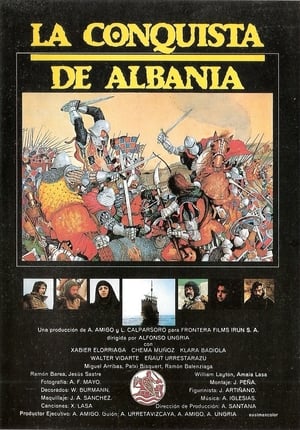
King Carlos II of Spain (r. 1665-1700) once sent his brother Luis to lead a military expedition into Albania and conquer that land for the Spaniards. Since Albania was a part of the dowry of Luis' wife, it seemed like a reasonable idea at the time. While that expedition and its final battle is the subject of this historical film, the scale involved can hardly do justice to the concept. The protagonists talk incessantly, and by the time they get down to the final grand battle, it turns out to be a skirmish between several dozen men.
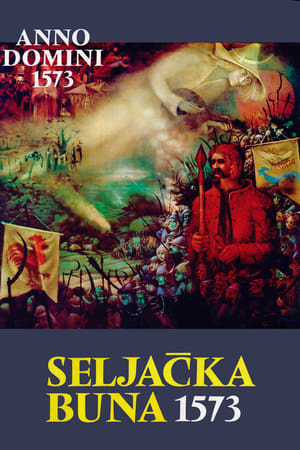
Europe in second half of 16th century was very rough place to live. Peasants of Slovenia and Croatia had even rougher times because of the constant threat of Turk raids and being taxed to death in order to provide defence against the Turks. But, the worst things were arrogant local feudal lords led by Franjo Tahi who were oppresing the common folk. All that led to the great peasant revolt of 1573. The movie is made for the 400th anniversary of the event.
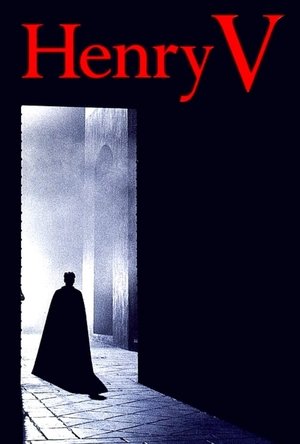
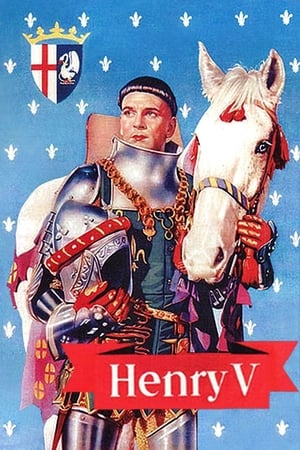
In 1415, in the midst of the Hundred Years' War, the young King Henry V of England embarks on the conquest of France.
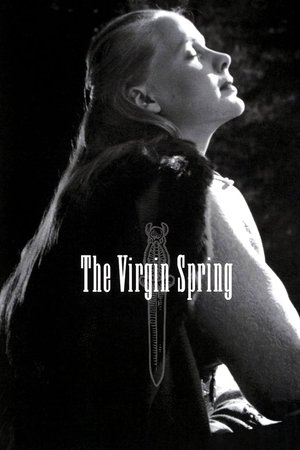
Devout Christians Töre and Märeta send their only daughter, the virginal Karin, and their foster daughter, the unrepentant Ingeri, to deliver candles to a distant church. On their way through the woods, the girls encounter a group of savage goat herders who brutally rape and murder Karin as Ingeri remains hidden. When the killers unwittingly seek refuge in the farmhouse of Töre and Märeta, Töre plots a fitting revenge.
A study of ruins of a fortified castle placed in the village of Seyssuel during two days of shooting and understanding of the moving light
A loose retelling of the 13th century Galician legend of the boy Cotolay who helped three pilgrims establish the Convent of San Francisco near Santiago de Compostela.
Rajputana, India, 13th century. The tyrannical usurper Alauddin Khilji, sultan of Delhi, becomes obsessed with Queen Padmavati, wife of King Ratan Singh of Mewar, and goes to great lengths to satisfy his greed for her.
When Death wants to bring the plague to Württemberg in 1349, he has not reckoned with the two guard soldiers Volckel and Utz, who engage him in a heated argument about plague ordinances and entry regulations.