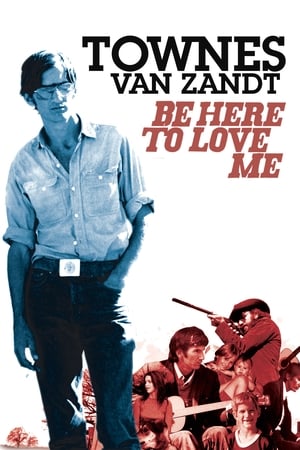
Chronicles the fascinating and often turbulent life of Townes Van Zandt.
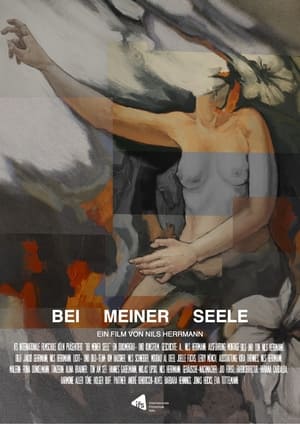
Between psychosis, delusions of persecution and trauma, A finds himself at an interface between past and present after a stay in hospital. What is still reality and what is a fearful manifestation of traumatic encounters? By confronting herself with old diary entries, she tries to come to terms with the emotional maelstrom. The breaches of trust from her youth keep pushing their way to the surface in her current relationships and make it difficult to grasp happiness.
Ten years ago, in an award-winning series, Stephen Fry first spoke about living with manic depression and began a national conversation about mental health. A decade later, we return to the subject to understand where he and thousands of others diagnosed with bipolar (as it is now called) are now.
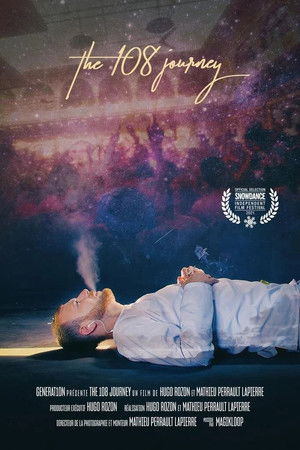
A hybrid film story, combining the form of a musical with elements of a music film and a personal documentary. The central character and narrator of the story is Quebo – a renowned artist who disappeared from the scene and now returns to speak about his struggle with bipolar disorder.
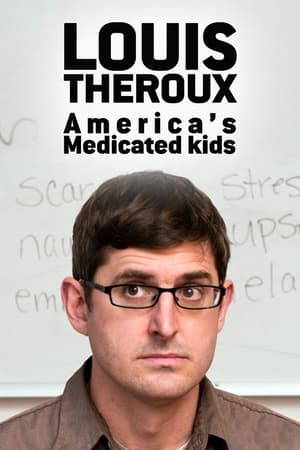
Faced with the challenging behaviour of their kids, more and more parents in America are turning to psychoactive medication to help them cope, even though the drugs, and sometimes the diagnoses, remain controversial. Louis travels to one of America's leading children's psychiatric treatment centres, in Pittsburgh, Pennsylvania, to get to know the diagnosed children and hoping to understand what drives parents to put their kids on drugs.
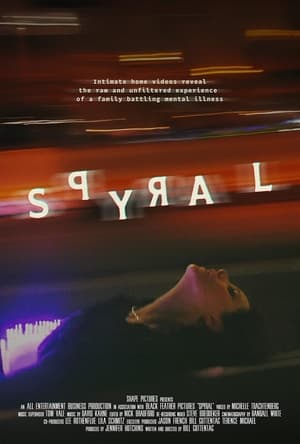
Using a variety of sources, SPYRAL follows one bipolar woman and the impact it has on her family.
Crownsville Hospital: From Lunacy to Legacy is a feature-length documentary film highlighting the history of the Crownsville State Mental Hospital in Crownsville, MD.
Today in France, one in five young people suffers from severe depressive symptoms, and the number of minors visiting psychiatric emergency rooms has tripled in the last five years. Despite the political will that has been demonstrated, child psychiatry is nevertheless faced with a severe lack of resources. The interminable waiting times for treatment are causing a surge in prescriptions for psychotropic drugs.
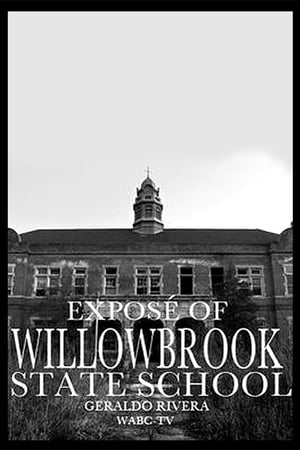
A shocking exposé of the deplorable conditions and abuses from the Willowbrook State School for children with intellectual disabilities.
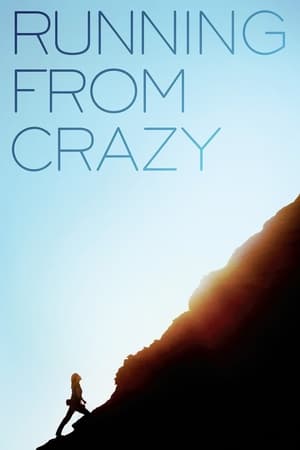
'Running from Crazy' is a documentary examining the personal journey of model and actress Mariel Hemingway, the granddaughter of Ernest Hemingway, as she strives for a greater understanding of her family history of suicide and mental illness.
Animated short documentary following a young woman's diagnosis of bipolar: a journey of self-acceptance to challenge everyday stigma. In "Trust Me", a genre-bending short documentary, a young woman uses humour and compassion to share her moving and deeply personal story of coming to terms with her mental health condition. When she starts exhibiting atypical and extreme behaviour, her loved ones trick her into hospitalisation against her will. She is diagnosed with bipolar disorder which starts her challenging journey of self-acceptance, confronting internalised and societal stigma, and learning to trust herself and others again.
ZAAD tells the autobiographical story of Dries Meddens. After the death of his mother, the care for Dries' bipolar father falls on his plate. He discovers how crudely and ruthlessly society and psychiatry treat patients. His father eventually dies in solitary confinement. While emptying his parent’s home, Dries discovers an old letter from his grandfather. The man appears to have led a busy, productive life. He is the founder of an internationally renowned seed breeding company and still has time to paint, write diaries and conduct intensive correspondence. Dries finds similarities between his grandfather, his father and himself. Slowly the fear grows that his father's psychiatric illness might be hereditary. Strolling through the family’s film and photo archives, with dramatic and sometimes hilarious finds, Dries tries to find answers. He also consults a psychiatrist. Together the consultations and reviewing of his archival material help Dries look at bipolarity with new eyes.
Why are men two or even three times less likely than women to be diagnosed with depression? Why are the figures reversed between the sexes in suicide statistics—some 47,000 people in Europe each year, more than three-quarters of whom are men? In men, the signs may differ from those generally identified with depression: anger rather than sadness, hyperactivity (at work or in sports) rather than asthenia, antisocial or addictive behavior, greater difficulty in asking for help due to modesty or shame, etc. But whatever form it takes, mental suffering is still often overlooked by those affected, misdiagnosed by many practitioners, and therefore generally underestimated.
Jon Richardson investigates OCD. Is he simply a demanding perfectionist or does he have obsessive compulsive disorder?
Chameleons
Her rise was a global phenomenon. Her downfall was a cruel national sport. People close to Britney Spears and lawyers tied to her conservatorship now reassess her career as she battles her father in court over who should control her life.
The lives of Jeff, Lauren and Lloyd—three very different people who share one common experience—have been transformed by speaking up for mental health. These inspiring stories depict what mental health in America really looks like and highlights just how important it is to speak up and seek help.
Part road movie, part musical, part serious inquiry into the caverns of the mind. Þriðji pólinn follows Anna Tara Edwards, an Icelander raised in Nepal, and legendary musician Högni Egilsson, as they journey to Anna’s childhood home in the mountain jungles to explore the afflictions and superpowers that come with bipolar disorder.
In part of the HBO's America Undercover series, this documentary provides an insider's view of mental illness, and the use of psychotropic drugs to alleviate some of its symptoms. Tracks the odyssey of four psychiatric patients, beginning with their arrival at Massachusetts General Hospital and the affiliated Lindemann Center, revealing their personal struggles and inner strength as they enter the world of psychiatric treatment to seek relief from insanity.
Dora Maar, a world-class photographer who began her artistic career in the French Surrealist scene of the 30s, lived in the shadow of Spanish painter Pablo Picasso, her lover between 1935 and 1943, with whom she maintained a chaotic, even violent, relationship. Fortunately, she survived Picasso's abusive behavior and its sequels to find a new path, the best one, the one that is worth to be told, in spite of Picasso.