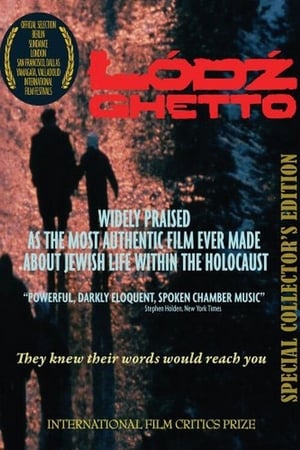
The Polish city of Łódź was under Nazi occupation for nearly the entirety of WWII. The segregation of the Jewish population into the ghetto, and the subsequent horrors are vividly chronicled via newsreels and photographs. The narration is taken almost entirely from journals and diaries of those who lived–and died–through the course of the occupation, with the number of different narrators diminishing as the film progresses, symbolic of the death of each narrator.
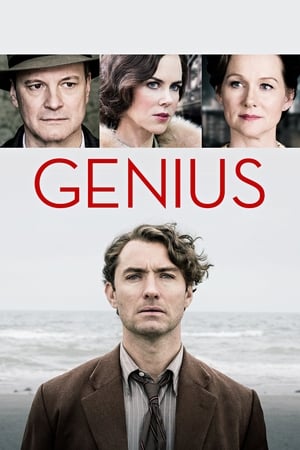
New York in the 1920s. Max Perkins, a literary editor is the first to sign such subsequent literary greats as Ernest Hemingway and F. Scott Fitzgerald. When a sprawling, chaotic 1,000-page manuscript by an unknown writer falls into his hands, Perkins is convinced he has discovered a literary genius.
Impoverished priest Harihar Ray, dreaming of a better life for himself and his family, leaves his rural Bengal village in search of work. Alone, his wife, Sarbojaya, looks after her rebellious daughter, Durga, and her young son, Apu, as well as Harihar's elderly aunt Indir. The children enjoy the small pleasures of their difficult life, while their parents suffer the daily indignities heaped upon them.
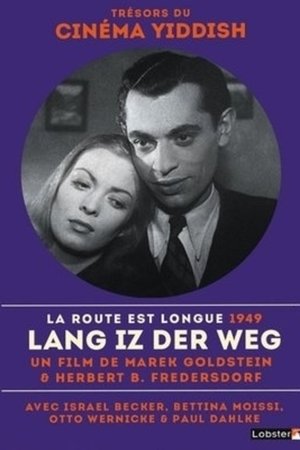
The first feature film to represent the Holocaust from a Jewish perspective. Shot on location at Landsberg, the largest DP camp in U.S.-occupied Germany, and mixing neorealist and expressionist styles, the film follows a Polish Jew and his family from pre-war Warsaw through Auschwitz and the DP camps.
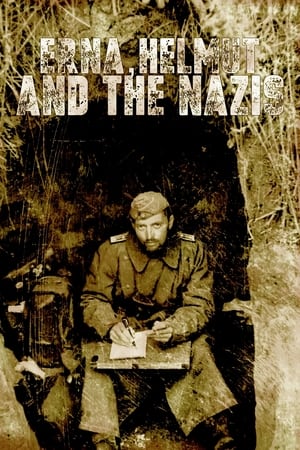
Germany, 1929. Helmut Machemer and Erna Schwalbe fall madly in love and marry in 1932. Everything indicates that a bright future awaits them; but then, in 1933, Adolf Hitler and the Nazi Party rise to power and their lives are suddenly put in danger because of Erna's Jewish ancestry.
French documentarist Sonia Kronlund follows actor and director Salim Shaheen, an Afghan movie star who produced more than 110 low-budget movies in a country devastated by war.
In this artistic exploration of the life and work of writer Henry Miller, filmmaker Joe Kishton skillfully weaves clips of films and interviews of Miller with the music of Laurie Anderson. From Miller himself we hear of his difficult relationship with his parents, and of his need to create, even (or especially) when his message abrades social mores.
A film about friendship in difficult times, Auschwitz.
What would your family reminiscences about dad sound like if he had been an early supporter of Hitler’s, a leader of the notorious SA and the Third Reich’s minister in charge of Slovakia, including its Final Solution? Executed as a war criminal in 1947, Hanns Ludin left behind a grieving widow and six young children, the youngest of whom became a filmmaker. It's a fascinating, maddening, sometimes even humorous look at what the director calls "a typical German story." (Film Forum)
The true, harrowing story of a young Jewish girl who, with her family and their friends, is forced into hiding in an attic in Nazi-occupied Amsterdam.
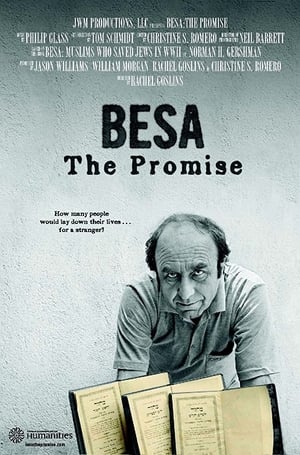
A documentary exploring how Albanians, including many Muslims, helped and sheltered Jewish refugees during WWII at their own risk, and trying to help the son of an Albanian baker that housed a Jewish family for a year return some Hebrew books that the family had to leave behind.
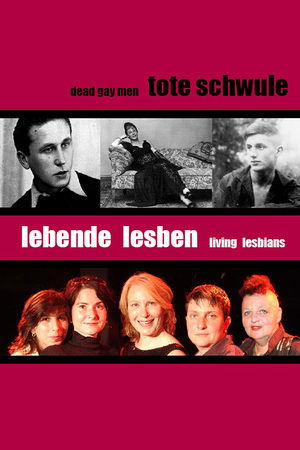
As a result of the Holocaust and later, AIDS, the male homosexual community has sustained bitter losses and, according to Praunheim, lesbian women have now placed themselves at the head of the so-called queer movement. The female protagonists in the film represent two different generations; they also incorporate the past and present status of homosexuals in society.
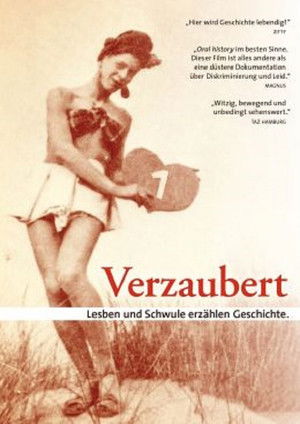
Stories of 12 gay and lesbian survivors of Nazism and the Holocaust.
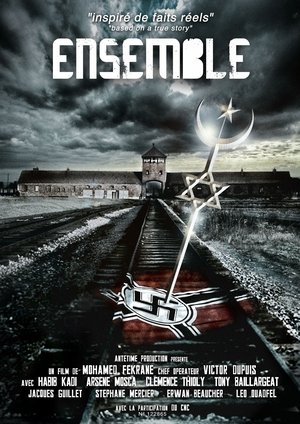
In Paris in full German occupation in 1942, a Jewish child Isaac escapes a raid organized by the SS. He then took refuge in the Great Mosque of Paris. The imam decides to protect him by passing him off as a Muslim, as well as the other Jewish children that he manages to free with the help of the resistance networks. The French militia and the Gestapo have suspicions... This fiction film is based on the true story of the rector of the Paris mosque, Si Kaddour Benghabrit, who saved several Jews from deportation during the Second World War.
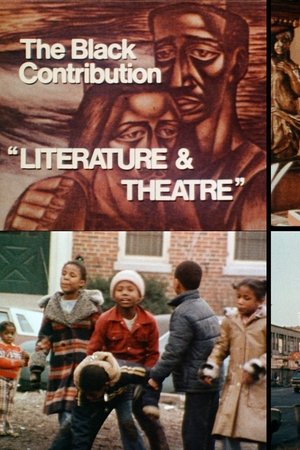
The Black Contribution – Literature and Theater 1978 is a rare documentary highlighting the voices and cultural impact of African American writers and performers during the civil rights era. Introduced by NAACP leader Benjamin Hooks and narrated by Roscoe Lee Brown, the film weaves together dramatic readings, theatrical excerpts, and candid urban street footage. Margaret Walker’s poem For My People is performed alongside scenes of daily Black life in New York City — children playing, families on stoops, open fire hydrants, and the realities of poverty in 1970s neighborhoods. James Baldwin appears in interview footage, while signs for his play The Amen Corner and stage excerpts from Lorraine Hansberry’s A Raisin in the Sun underscore the powerful presence of Black voices in American theater. With rare shots of Harlem life, literature, and performance, this film documents the enduring contributions of African American artists to U.S. culture and history.
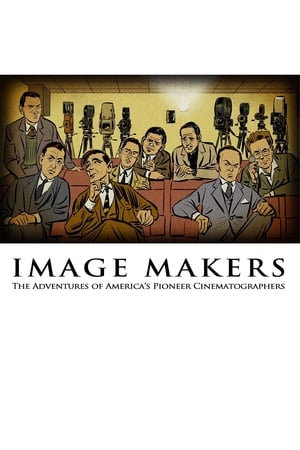
Documentary following the history of America's first cinematographers.
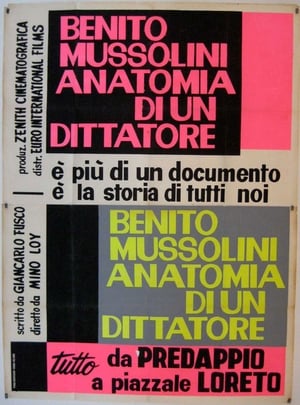
Benito Mussolini: Anatomy of a Dictator
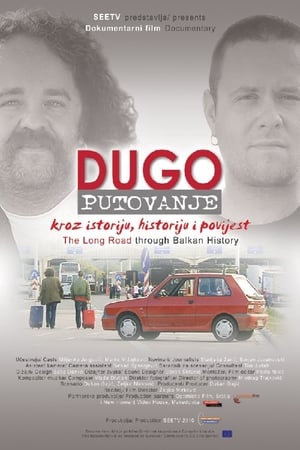
Bosnian Croat writer Miljenko Jergović and Serbian writer Marko Vidojković replace one another by the steering wheel of Yugo, a symbol of their common past while driving on the Brotherhood and Unity Highway that stretched across five of six republics of Yugoslavia.
In 1944, two prisoners miraculously escaped from Auschwitz. They told the world of the horror of the Holocaust and raised one of the greatest moral questions of the 20th century.
Director Agnès Varda and photographer/muralist JR journey through rural France and form an unlikely friendship.