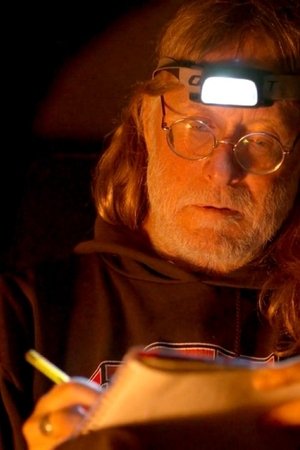
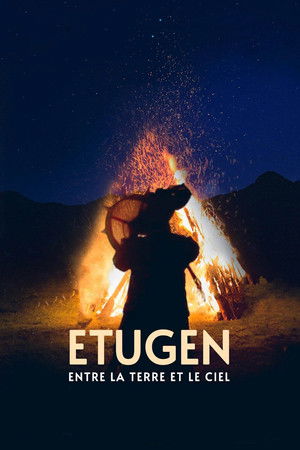
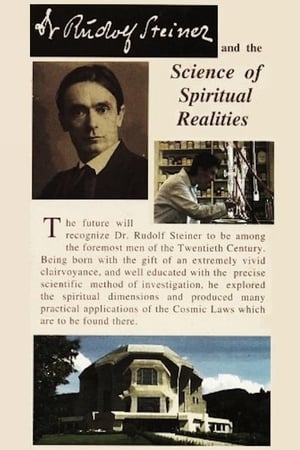
The plot of the film unfolds in the ancient monastery of Dokhiar on the west coast of Mount Athos, on the Aegean peninsula. This peninsula is given to the exclusive use of the monks of Eastern Christianity. Images of nature are woven into a virtually uninterrupted series of work and prayer, lining up in the rhythmic interrelation of man and nature. The central figure of the film was the monastery’s elder, Hegumen Gregory, whose long-term experience of spiritual nourishment rewarded him with a deep understanding of the human soul and her desire to return to the state characteristic of Adam’s human nature before the fall.
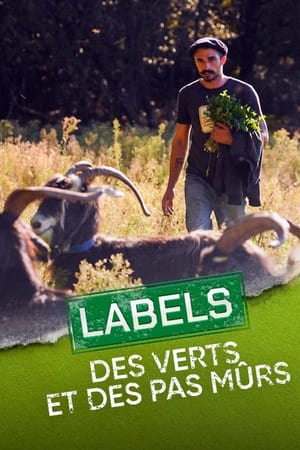
In barely a century, French peasants have seen their world profoundly turned upside down. While they once made up the vast majority of the country, today they are only a tiny minority and are faced with an immense challenge: to continue to feed France. From the figure of the simple tenant farmer described by Emile Guillaumin at the beginning of the 20th century to the heavy toll paid by peasants during the Great War, from the beginnings of mechanization in the inter-war period to the ambivalent figure of the peasant under the Occupation, From the unbridled race to industrialization in post-war France to the realization that it is now necessary to rethink the agricultural model and invent the agriculture of tomorrow, the film looks back at the long march of French peasants.
Matthew Perry: Not Just Friends
A feature length documentary shot in Iceland on mediums and the relationship between humans and invisible beings such as elves ghosts, angels, water monsters and extra-terrestrials. The film is a journey to the frontiers of life questioning the scope of our existence. Are we alone in the universe? If life exists in other dimensions, it's worth knowing more.
“Tragic Awakening: A New Look at the Oldest Hatred,” directed by Canadian-Israeli filmmaker Raphael Shore, interweaves historical analysis with contemporary events through the voices of clerics, historians, sociologists, and cultural commentators, including the late British Chief Rabbi Rabbi Jonathan Sacks, author Yossi Klein Halevi, Israel’s antisemitism envoy Michal Cotler-Wunsh, and journalists Bari Weiss and Douglas Murray. It argues that antisemitism stems not from a perception of Jewish inferiority, but rather from resentment of Jewish excellence and moral leadership.
Back from war in Afghanistan, a young British soldier struggling with depression and PTSD finds a second chance in the Amazon rainforest when he meets an American scientist, and together they foster an orphaned baby ocelot.
Die Bio-Revolution - Die Karriere der ökologischen Landwirtschaft
What is the purpose of our existence ? What is the soul ? Which are the power of mind, of conscience ? What is our link to nature ? Pondering these existential questions, this movie invites us to find out an universal wisdom, meeting shamans, healers, yogis, but also philosophers and doctors. From Mongolia plains to the Amazonian forest, it leads us far than we expected at first.
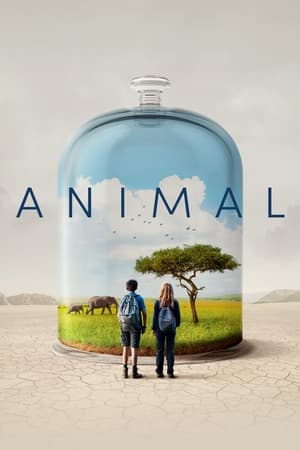
16-year-old Bella and Vipulan are part of a generation convinced its very future is in danger. Between climate change and the 6th mass extinction of wildlife, their world could well be inhabitable 50 years from now. They have sounded the alarm over and over, but nothing has really changed. So they’ve decided to tackle the root of the problem: our relationship with the living world. Over the course of an extraordinary journey, they come to realize just how deeply humans are tied to all other living species. And that by saving them… we’re also saving ourselves. Humans thought they could distance themselves from nature, but humans are part and parcel of nature. For man is, after all, an Animal.
Peter Karena, his wife Colleen, their six children and many horses live almost wild in the stunning beauty of New Zealand's rugged Ruahine Mountains. Until, that is, Peter's escalating battle with his own father has profound consequences for the whole clan.
A documentary analyzing the social, political and cultural climate of Hollywood in the mid-1960s.
A documentary film exploring humanity's relationship with technology and with the natural world. Shot over a 5-year period in more than 30 countries, the film pioneers new timelapse, time-dilation, underwater, and aerial cinematography techniques to give audiences new eyes with which to see our world.
1972 in Haute-Savoie (France) : the Bertrand's farm, with a hundred dairy cows owned by three bachelor brothers, is filmed for the first time. In 1997, they were the subject of Gilles Perret's first movie, as they let their farm to their nephew Patrick and his wife Hélène. Nowadays, 25 years later, Gilles Perret take another look at this farm, managed by Hélène who will step down. Through their words, an intimate, social and economic history of the rural world.
Madonna's rise to fame from 1978 to 1992, exploring her personal life, controversies, and the challenges she faced during that period.
In this documentary, wealthy entrepreneur Bryan Johnson puts his body and fortune on the line to defy aging and extend his life beyond all known limits.
The Shipibo-Konibo people of Peruvian Amazon decorate their pottery, jewelry, textiles, and body art with complex geometric patterns called kené. These patterns also have corresponding songs, called icaros, which are integral to the Shipibo way of life. This documentary explores these unique art forms, and one Shipibo family's efforts to safeguard the tradition.
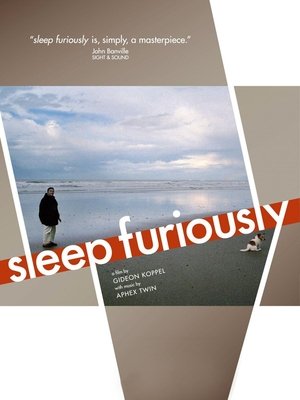
Set in a small farming community in mid Wales, a place where Koppel's parents - both refugees - found a home. This is a landscape and population that is changing rapidly as small scale agriculture is disappearing and the generation who inhabited a pre-mechanised world is dying out. Much influenced by his conversations with the writer Peter Handke, the film maker leads us on a poetic and profound journey into a world of endings and beginnings; a world of stuffed owls, sheep and fire.
Invisible Revolutions
An outcast in his community, Farmer John bravely stands amidst a failing economy, vicious rumors, and violence. By melding the traditions of family farming with the power of art and free expression, this powerful story of transformation and renewal heralds a resurrection of farming in America. Through highly personal interviews and 50 years of beautifully textured footage, filmmaker Taggart Siegel shares Farmer John’s haunting and humorous odyssey, capturing what it means to be wildly different in a rural community.
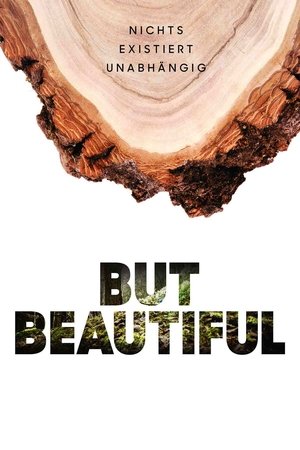
In his new film, Erwin Wagenhofer is looking for the good and beautiful in this world.