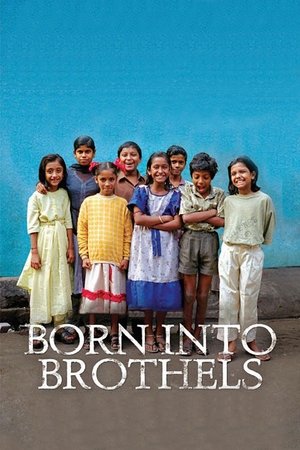
Documentary depicting the lives of child prostitutes in the red light district of Songachi, Calcutta. Director Zana Briski went to photograph the prostitutes when she met and became friends with their children. Briski began giving photography lessons to the children and became aware that their photography might be a way for them to lead better lives.
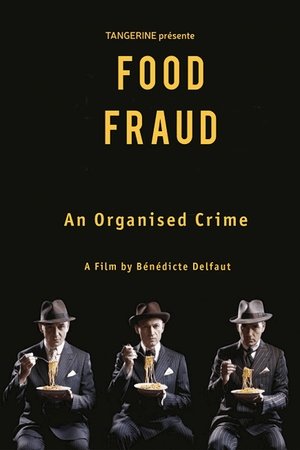
All food can be adulterated. More discreet than a drug cartel, more elusive than arms dealers, criminals have taken over food. Olive oil, fish, meat, spices, no department escapes their juicy traffic. A jackpot estimated in Europe at 30 billion euros enriches a new kind of mafia every year. Organized crime is selling altered products in restaurants, supermarkets and all food shops in the European Union. Their secret is to replace an ingredient with a cheaper one. Who are these new traffickers? What are their methods of operation?
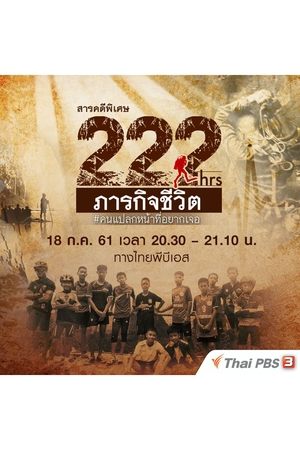
A special document of a 9-day Thai cave rescue mission in 2018
Belonging Syndrome is a short documentary that follows Duang, a second-generation Italian-Thai girl. Duang, during a period of stay in a monastery. Through her inner diary, the film explores a suspended phase of life: the one in which identity it is not yet defined and belonging becomes an open question. The monastery becomes the physical and symbolic place where Duang observes herself. Immersed in a daily life marked by rituals, silences and repeated gestures, the protagonist goes through an experience of deep listening, in which time slows down and perception is refined. Belonging Syndrome talks about hybrid identities, cultural legacies that coexist without completely merging, the difficulty and possibility of inhabiting multiple worlds without having to choose just one. It is an intimate and contemplative story about the search for balance in a fragile and open phase of existence.
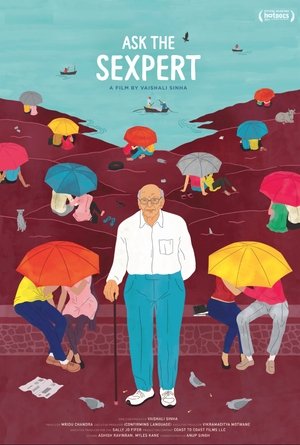
A sex columnist gains popularity even while a ban on comprehensive sex education in schools is adopted by approximately a third of India’s states.
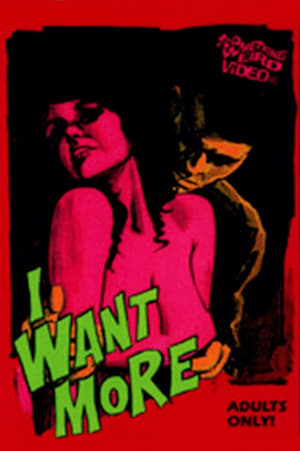
This lurid documentary offers a revealing expose of various deviant activities being practiced in that seething hotbed of sin and hedonism known as Los Angeles. Among the subjects shown herein are a young couple who are paid to have sex in front of leering voyeurs, a gang of rowdy bikers, a French artist who makes fancy designs out of women's pubic hair, a wild swinging Hollywood party, and an exclusive club of wealthy perverts.
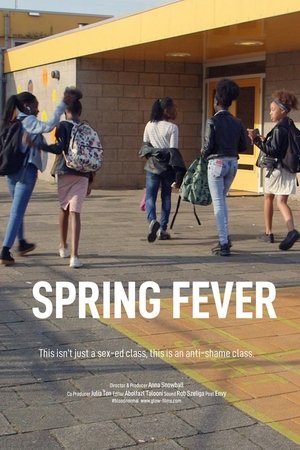
A glimpse into a refreshingly different sex education class in the Netherlands.
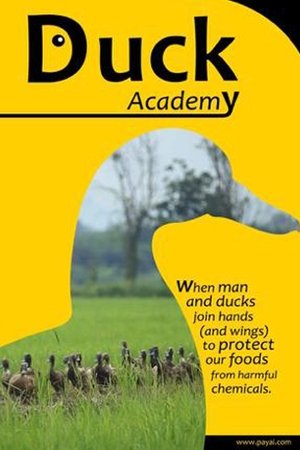
Thousands of ducks, one farmer, and an ultimate goal to produce chemical-free rice. Against all odds, a determined farmer in Thailand trained ducks to be ‘rice protectors.’ Together, they joined hands (and wings) in the pursuit of sustainable farming. Amusing, adorable, yet informative, viewers will fall in love watching man and ducks, teacher and students, work together to keep our food safe from harmful chemicals.
In the beginning was sex. To the ancient cultures, sexuality, love and sex were inextricably connected with the creation of the earth, the heavens and the underworld. To the citizens of the ancient civilizations that gave birth to ours, sensuality and sexuality were an integral part of society. This series exploration of Egyptian and Roman sexual practice allows viewers the opportunity to see how attitudes and beliefs about sexuality functioned in the early civilizations, and how those attitudes reveal the unspoken rules that defined public and private behavior. Episodes cover human sex and sexuality from a historical perspective, and examines in detail different texts and images which provide us with evidence about sexual practices, beliefs and ideologies in the ancient world – from erotica on pots to legal texts, phallic votive objects, fertility ceremonies, prostitution, female and hermaphroditic creator deities, from religious rituals to sex manuals.
Women have always sought ways to terminate unwanted pregnancies, despite powerful patriarchal structures and systems working against them. This film provides a historical overview of how church, state and the medical establishment have determined policies concerning abortion. From this cross-cultural survey--filmed in Ireland, Japan, Thailand, Peru, Colombia, and Canada--emerges one reality: only a small percentage of the world's women has access to safe, legal operations.
She now lives many miles away from her mother, who is waiting to hear from her. It is a bittersweet, restless, nostalgic moment, and she remembers those vanished years.
Sangduen Chailert, or Lek, as she is generally known, has already rescued over 200 elephants. She has dedicated her life to saving the Asian elephant and founded a special camp, The Elephant Nature Park to protect them. We follow this winner of Time Magazine’s “Asian Hero of the Year” Award in her work. Lek is on a mission to save the Asian elephant in her native Thailand. This film looks at the plight of the Asian elephant, as it goes from being a widely used domestic animal, to becoming a burden on modernizing communities. With experts predicting its extinction within four decades, Lek’s work is needed now more than ever and she has gathered a large group of supporters and volunteers in her quest for a better future for the Asian elephant. This moving film demonstrates Lek’s natural understanding of and rapport with these huge animals and will stir the viewers emotions as it highlights the often desperate state some elephants are kept in.
A look at global sex tourism, focusing on the situation in Venezuela and Thailand.
Street art, creativity and revolution collide in this beautifully shot film about art’s ability to create change. The story opens on the politically charged Thailand/Burma border at the first school teaching street art as a form of non-violent struggle. The film follows two young girls (Romi & Yi-Yi) who have escaped 50 years of civil war in Burma to pursue an arts education in Thailand. Under the threat of imprisonment and torture, the girls use spray paint and stencils to create images in public spaces to let people know the truth behind Burma's transition toward "artificial democracy." Eighty-two hundred miles away, artist Shepard Fairey is painting a 30’ mural of a Burmese monk for the same reasons and in support of the students' struggle in Burma. As these stories are inter-cut, the film connects these seemingly unrelated characters around the concept of using art as a weapon for change.
A look beyond the shock and inhumanity of prison rape to the intricate social hierarchy that keeps it alive. A filmmaker goes deep inside Alabama's infamous Limestone penitentiary to uncover the long-term causes and consequences of prison rape. With a startling lack of inhibition, five inmates reveal the workings of an elaborate inner society.
Hollywood is a town of tinsel and glamour; but there is another Hollywood, a place where maverick independent exploitation filmmakers went toe to toe with the big guys and came out on top.
Daulatdia is an entire village in Bangladesh dedicated to prostitution. Every day, 1,600 trafficked, enslaved and abandoned women and girls sell themselves for £2 a time. In the midst of the trade live 300 children, many born in the village. Some will be groomed to be the future of the business like their mothers and grandmothers. With education programmes and support provided by Save The Children, a few may find their way out.
The Boxing Day Tsunami in 2004 was the most devastating natural disaster in modern times, killing 228,000 people across 13 countries in just a few hours. AFTER THE WAVE tells the untold story of this epic forensic operation in Thailand to identify and return home the bodies of over 5,000 victims, both locals and holidaymakers from around the world. Led by a crack Australian team, the best forensic specialists from around the world were in a race against time to give back every victim their identity. Creating forensic history, the international team’s mantra from the outset was ‘we will take them home’, a seemingly impossible ambition but one that almost succeeded. In this film forensic science intersects with powerful stories of survival and loss, attempting to make some sense out of a tragedy so bewilderingly complete that nearly a decade out it still seems far-fetched to most of us.
This exploitation classic purports to expose the secrets of the 1960s lesbian underworld.
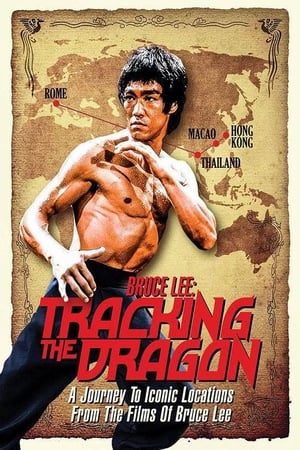
Bruce Lee expert John Little tracks down the actual locations of some of Bruce Lee's most iconic action scenes. Many of these sites remain largely unchanged nearly half a century later. At monasteries, ice factories, and on urban streets, Little explores the real life settings of Lee's legendary career. This film builds on Little's earlier film, Pursuit of the Dragon, to present a comprehensive view of Lee's work that will change the way you see the films.