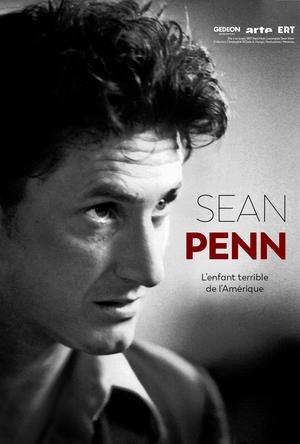
Sean Penn is almost a living legend. His filmography paints a picture of an 'other America': the lower class, the oppressed and the outsiders. Whether as an actor or director, he turns all the great myths upside down.
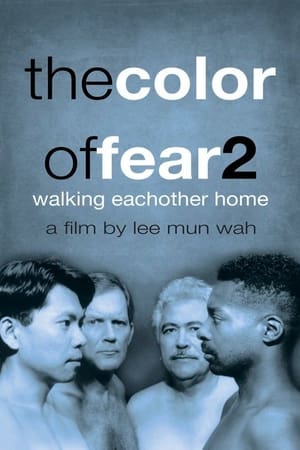
In THE COLOR OF FEAR, eight American men participated in emotionally charged discussions of racism. In this sequel, we hear and see more from those discussions, in which the men talk about about how racism has affected their lives in the United States. We also learn more about the relationships between them, and about their reactions during some of the most intense moments of that discussion.
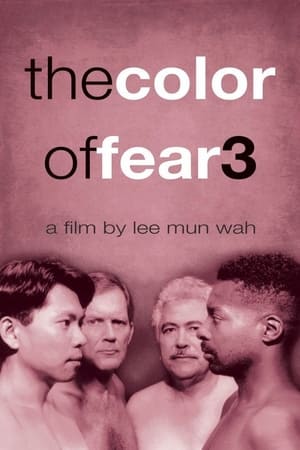
Eight American men of different ethnic backgrounds discuss homophobic prejudice against gay men in the United States, sharing their fears and personal experiences of bigotry, demonization, and ridicule.
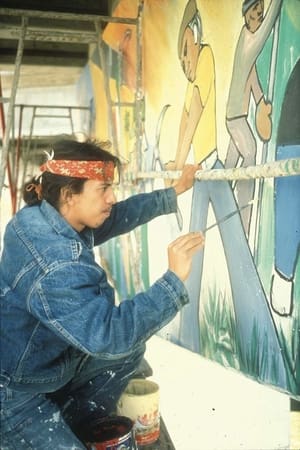
Mixing archival footage with interviews, this film celebrates one of Los Angeles's most influential painters and Chicano art activists from the 1970s.
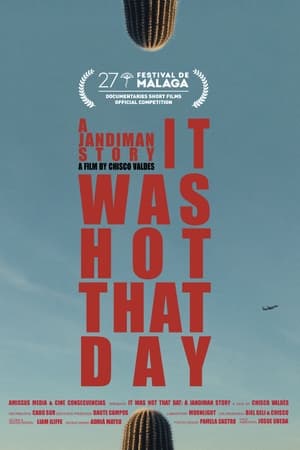
Enduring 28 days of relentless construction labor, Frank struggles to prep a house for painting amidst Phoenix's scorching pandemic summer.
A year in the life of an underdog competitive high school mariachi band in the Texas borderlands.
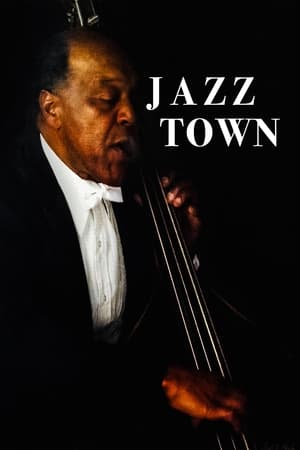
Denver’s iconic and Grammy Award-winning musicians reveal the secrets of their success and longevity in the music business while warning the young lions to whom they pass the torch to stay relevant in a marketplace both treacherous and brutal. The majestic Rocky Mountains tower over a bustling metropolis filled with steamy and romantic nightclubs where jazz flourishes on stage. JazzTown features never seen before live concert footage on historic stages that have now crumbled due to economic stresses of the Covid Pandemic. ~ Dianne Reeves, 5-time Grammy Award winner for Best Jazz Vocalist ~ US Senator John Hickenlooper (former jazz club owner) ~ Ron Miles (Colorado Music Hall of Fame, Joshua Redman, Bill Frisell, Ginger Baker) ~ Charlie Hunter (Snarky Puppy, Christian McBride, Stanton Moore) ~ Art Lande (Mark Isham, Gary Peacock) ~ Ayo Awosika (Session Singer on Soundtracks to: Wakanda Forever, Nope, Dune, The Lion King ... tours with Miley Cyrus,) and many more.
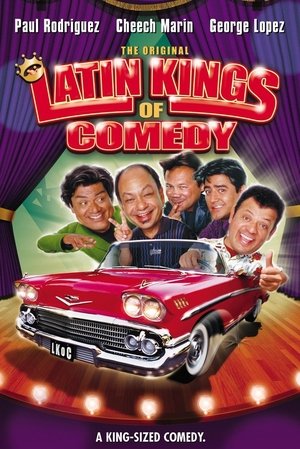
This stand up special features material from five of the most famous Hispanic standup comics of their era. Paul Rodriguez, George Lopez, Cheech Marin, Alex Reymundo, and Joey Medina deliver material on a variety of topics that will seem familiar to audiences of every race.
What makes a voice “gay”? A breakup with his boyfriend sets journalist David Thorpe on a quest to unravel a linguistic mystery.
In 1982, the Raiders and owner Al Davis captivated black and Latino fans with swagger and charisma that matched the rapidly changing city.
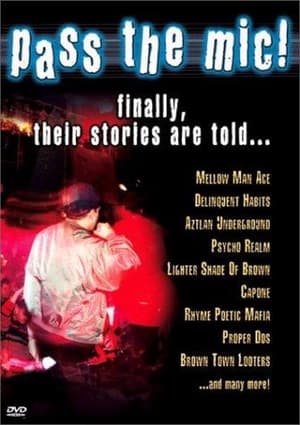
This ambitious documentary turns up the volume on long-silent voices lurking beneath the surface of the Latin hip-hop underground, revealing the origins of a genre that still has to fight to be heard. Highlights include a behind-the-scenes look at the artists' creative process, plus candid interviews with stars who share stories about making it in the business -- from Mellow Man Ace and Capone to Delinquent Habits and Psycho Realm.
Psychoanalysis in El Barrio shows the experience of Latino psychoanalysts in the United States bringing psychoanalysis to Latino communities. It features interviews with ten Latino analysts (whose heritage is from a variety of Latino cultures) as well as students. It uniquely shows some of those communities in Philadelphia, New York City, and Texas and Interviews Latinos in the street on their thoughts about therapy. And it discusses issues of culture, bias, language and transference that occur for Latino analysts and their patients. The video challenges psychoanalysts to understand the culture and economic circumstances of Latinos in the United States and to bring psychoanalytically informed therapy to them. It Is a consequence of conferences held by the Institute for Psychoanalytic Training and Research (IPTAR) and the Clinical Psychology Department of The New School.
Stand-up comic George Lopez uses his childhood experiences growing up Latino in the San Fernando Valley as a platform for nonstop humor. The funnyman takes you on a liberating journey as he hysterically dissects his life growing up in Los Angeles. Reminiscing about the unique quirks in Mexican culture, George tackles such topics as family relationships, insecurities, sexuality, drinking and language.
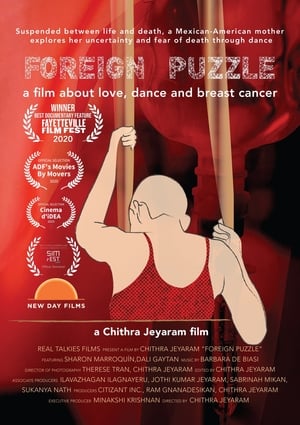
Foreign Puzzle is an intimate documentary that captures the journey of an inspiring Mexican American dancer as she communicates the impermanence of life through dance while juggling the roles of a recently divorced parent of a 6-year-old, a choreographer and a primary school teacher amidst intensive treatments for breast cancer.
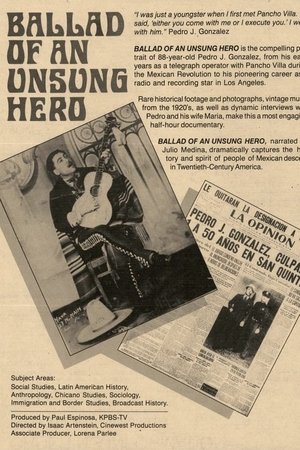
Using rare historical footage, vintage musical recordings, and interviews with 88-year-old Pedro J. Gonzalez and his wife, this film chronicles Gonzalez’s long and colorful life, from his early days with Pancho Villa during the Mexican Revolution, to his career as a popular radio personality in Los Angeles in the 1930s, to the controversial court case that sent him to San Prison, a victim of the repressive forces operating against the Chicano/Mexicano community during that period.
Features uncut version of figure skating performances by Mao Asada, which are selected by herself. Special Feature / Bonus Track: 10 performances at All Japan Medalist On Ice.
Diversity trainer Lee Mun Wah assembles a diverse group of eight American men to talk about their experience of race relations in the United States. The exchange is sometimes dramatic as they lay bare the pain that racism in the US has caused them.
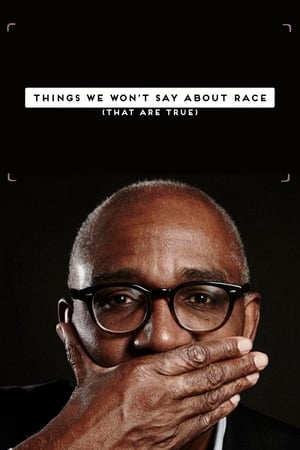
Trevor Phillips confronts some uncomfortable truths about racial stereotypes, as he asks if attempts to improve equality have led to serious negative consequences.
After 15 years of knowing Chosun people in Japan I met on Mt. Geumgang in 2002, I face the history of colonization and division that I had not known before. They’ve been to North Korea many times, but never to South Korea. They tell us why they want to live as Chosun people despite the discrimination in Japanese society.
The Hanbok on the Court