Primary is a documentary film about the primary elections between John F. Kennedy and Hubert Humphrey in 1960. Primary is the first documentary to use light equipment in order to follow their subjects in a more intimate filmmaking style. This unconventional way of filming created a new look for documentary films where the camera’s lens was right in the middle of what ever drama was occurring. Preserved by the Academy Film Archive in partnership with The Film Foundation in 1998.
Impoverished priest Harihar Ray, dreaming of a better life for himself and his family, leaves his rural Bengal village in search of work. Alone, his wife, Sarbojaya, looks after her rebellious daughter, Durga, and her young son, Apu, as well as Harihar's elderly aunt Indir. The children enjoy the small pleasures of their difficult life, while their parents suffer the daily indignities heaped upon them.
Londoner Harry Fabian is a second-rate con man looking for an angle. After years of putting up with Harry's schemes, his girlfriend, Mary, becomes fed up when he taps her for yet another loan.
"Patton" tells the tale of General George S. Patton, famous tank commander of World War II. The film begins with Patton's career in North Africa and progresses through the invasion of Germany and the fall of the Third Reich. Side plots also speak of Patton's numerous faults such his temper and habit towards insubordination.
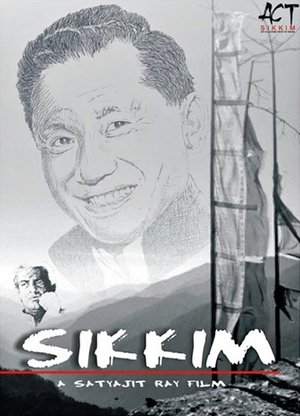
Satyajit Ray's poetic documentary was commissioned by the Chogyal (King) of Sikkim at a time when he felt the sovereignty of Sikkim was under threat from both China and India. Ray's documentary is about the sovereignty of Sikkim. The film was banned by the government of India when Sikkim merged with India in 1975. The ban was finally lifted by the Ministry of External Affairs in September 2010. Preserved by the Academy Film Archive in 2007.
A European prince terrorizes the local peasantry while using his castle as a refuge against the "Red Death" plague that stalks the land.
Hud Bannon is a ruthless young man who tarnishes everything and everyone he touches. Hud represents the perfect embodiment of alienated youth, out for kicks with no regard for the consequences. There is bitter conflict between the callous Hud and his stern and highly principled father, Homer. Hud's nephew Lon admires Hud's cheating ways, though he soon becomes too aware of Hud's reckless amorality to bear him anymore. In the world of the takers and the taken, Hud is a winner. He's a cheat, but, he explains, "I always say the law was meant to be interpreted in a lenient manner."
A film's art director is in charge of the set, from conception to construction to furnishing. This short film walks the viewer through art directors' responsibilities and the demands on their talents. They read a script carefully and design a set to capture the time and place, the social strata, and the mood. They must be scholars of the history of architecture, furnishings, and fashion. They choose the colors on a set in anticipation of the lighting and the mood. Their work also sets styles, from Art Deco in the 20's to 30s modernism. Then it's on to the next project. Preserved by the Academy Film Archive in 2012.
Two detectives clash over the hunt for a burlesque dancer’s killer in Los Angeles’ Japanese district.
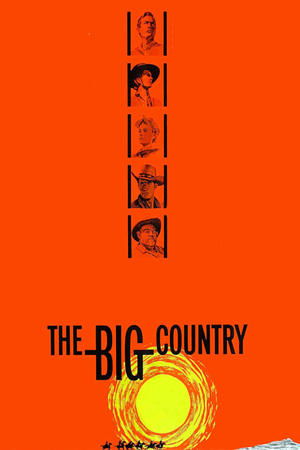
Retired wealthy sea captain Jim McKay arrives in the Old West, where he becomes embroiled in a feud between his future father-in-law, Major Terrill, and the rough and lawless Hannasseys over a valuable patch of land.
An uptight English writer traveling to Crete on a matter of business finds his life changed forever when he meets the gregarious Alexis Zorba.
African-American Philadelphia police detective Virgil Tibbs is arrested on suspicion of murder by Bill Gillespie, the racist police chief of tiny Sparta, Mississippi. After Tibbs proves not only his own innocence but that of another man, he joins forces with Gillespie to track down the real killer. Their investigation takes them through every social level of the town, with Tibbs making enemies as well as unlikely friends as he hunts for the truth.
Musical adaptation of Charles Dickens' Oliver Twist, a classic tale of an orphan who runs away from the workhouse and joins up with a group of boys headed by the Artful Dodger and trained to be pickpockets by master thief Fagin.
Documentary short subject preserved by the Academy Film Archive, from the Marshall Plan Collection, in 2003.
In the years before World War II, a tomboyish postulant at an Austrian abbey is hired as a governess in the home of a widowed naval captain with seven children and brings a new love of life and music into the home.
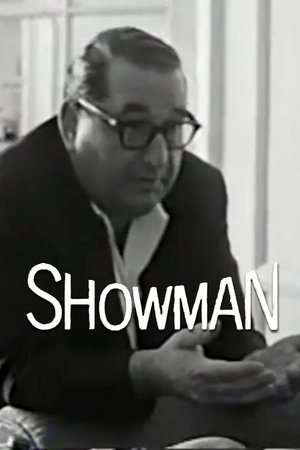
Albert and David Maysles (Gimme Shelter) directed this 53-minute documentary about movie tycoon Joseph E. Levine (1963). Preserved by the Academy Film Archive in 2012.
Thomas Becket, Henry II's longtime advisor, finds his friendship with the debauched king corroding when he is unwillingly appointed as Archbishop of Canterbury in an attempt to gain absolute loyalty from the Church.
Raymond Joshua, a young black performance poet, is arrested and imprisoned for a petty marijuana charge in a Washington, D.C. jail. Although the confining prison walls do little to shield him from danger, it is within those walls that Raymond establishes his identity, strength, and voice and meets a prison gang leader and a prison writing teacher, Lauren Bell. Bell inspires Raymond to use the power of creative expression to free himself from the struggles and demise of the Black male as another victim of the judicial system.
This Oscar-winning documentary tells the story behind Japanese daredevil Yuichiro Miura's 1970 effort to ski down the world's tallest mountain.
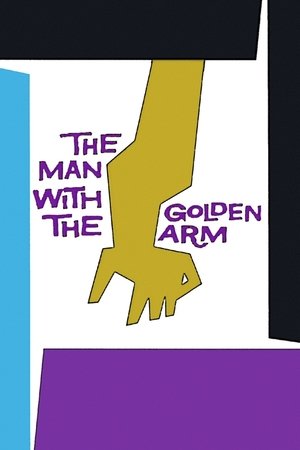
When illegal card dealer and recovering heroin addict Frankie Machine gets out of prison, he decides to straighten up. Armed with nothing but an old drum set, Frankie tries to get honest work as a drummer. But when his former employer and his old drug dealer re-enter his life, Frankie finds it hard to stay clean and eventually finds himself succumbing to his old habits.