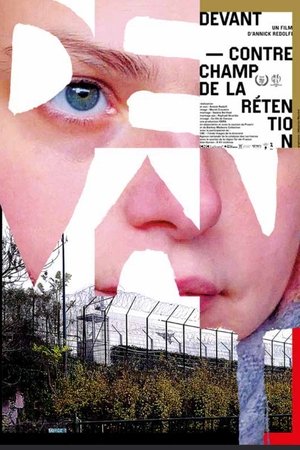
Pauline, Norah, Kristina and others wait for hours, sitting under a hut deep in the Bois de Vincennes. In front of the administrative detention center (CRA) in Paris, they have all come to see their loved ones locked up. Lives on hold, awaiting deportation or release. On this stage, these women tell their stories, talk to each other, share their experience, their revolt and their dreams with new visitors. They are the mirror of migrant detention, its reverse view.
Nacht Grenze Morgen
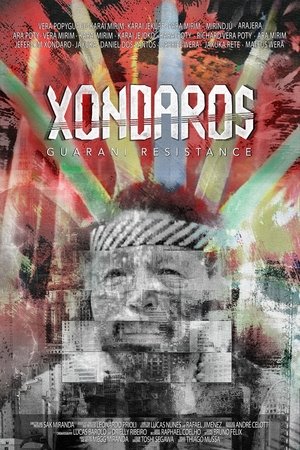
The 6 Guarani villages of Jaraguá, in São Paulo, fight for land rights, for human rights and for the preservation of nature. They suffer from the proximity to the city, which brings lack of resources, pollution of rivers and springs, racism, police violence, fires, lack of infrastructure and sanitation, among others. Unable to live like their ancestors, their millenary culture is lost as it merges with the urban culture.
Since the late 1990s, more people have died in war-torn Congo than in any conflict since World War II. In addition to the dead, hundreds of thousands of woman and girls have been raped. Rape, explains a British colonel, is a weapon of war, part of a destabilization covering the theft of valuable minerals. Rape victims are traumatized, injured, abandoned by husbands, pregnant, and ravaged by disease.
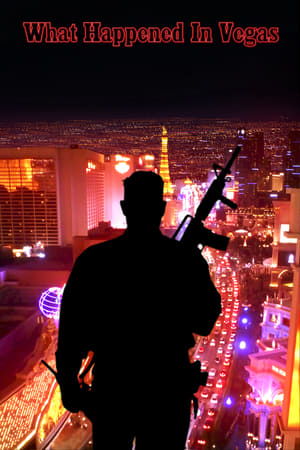
Ramsey Denison investigates a terrifying pattern of police corruption and discovers that behind the shimmering surface of Las Vegas lies a police department with individuals willing to go to any lengths to cover up crimes.
Narir Kotha is an exploration of the experience of women in the Bangladesh Liberation War of 1971. During the war, thousands of women were systematically raped and tortured by the Pakistan Army and their collaborators. But they were not only victims of sexual violence, they were also in the front lines of the popular resistance against the occupying Army, as fighters and martyrs. Narir Kotha is an attempt to explore some of these stories, through the words of the women themselves.
#MladiPitajuPoliticare
40 años de democracia
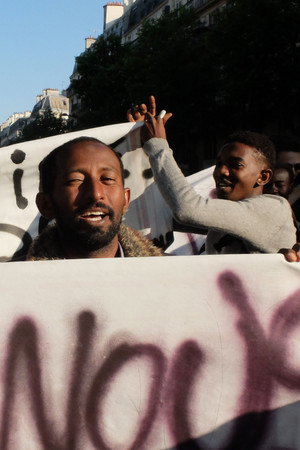
La Chapelle neighbourhood, Paris. Hundreds of exiled people from East Africa survive on the streets, chased violently by the police, yet seeking to defend their rights as asylum seekers. Some months later, having finally obtained their rightful housing, two Sudanese young men return to the sites where they first landed and talk about their arrival in Paris during this agitation.
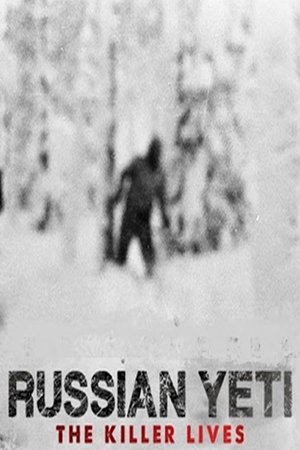
In 1959, the mutilated bodies of nine hikers were found in the Ural Mountains. Fifty years on, speculation surrounding the story endures.
A documentary following a team of English cyclists as they recreate the 1955 Tour de France route while one of their own lives with a rare medical condition.
A partnership between the Government of Mali and an American agricultural investor may see 200-square kilometers of Malian land transformed into a large-scale sugar cane plantation. Land Rush documents the hopes, fears, wishes, and demands of small-scale subsistence farmers in the region who look to benefit, or lose out, from the deal.
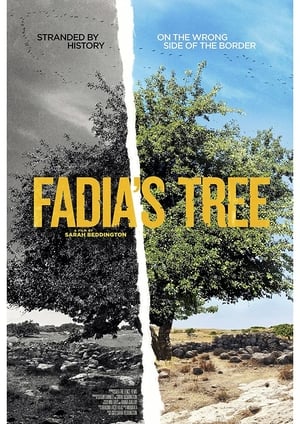
While millions of birds migrate freely in the skies above, Fadia, a Palestinian refugee stranded in Lebanon, yearns for the ancestral homeland she is denied. When a chance meeting introduces her to the director, Sarah, she challenges her to find an ancient mulberry tree that once grew next to her grandfather’s house in historic Palestine, a tree that stands witness to her family’s existence.
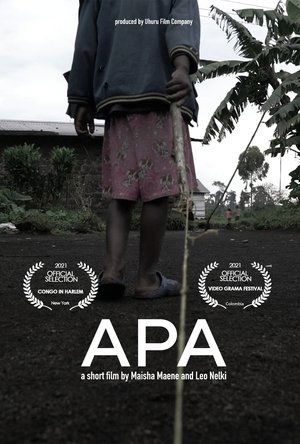
Children play amidst cycles of thunder and violence.
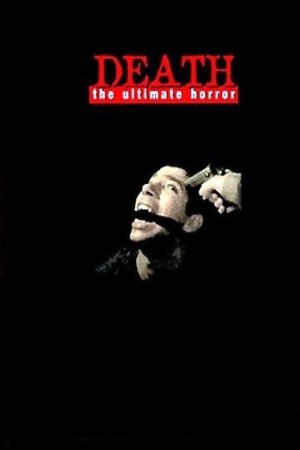
This grisly documentary presents horrifying journalistic footage of suicides, assassinations, bombings, mob hits, decapitations, and more in bloody detail. Not for the faint of heart.
Memories of a Dreamer is a first person account of the hardship suffered by a political prisoner from Chile's 1973 cruel dictatorship. Felix Mora recounts shocking details of the torture he endured, his escape from the dictatorship and the challenges he has faced as an exile in Italy and Canada. The question is has Felix allowed torture and exile to shatter his dreams of obtaining justice and being able to return to Chile? Or has he used that suffering as a force to accomplish that dream?
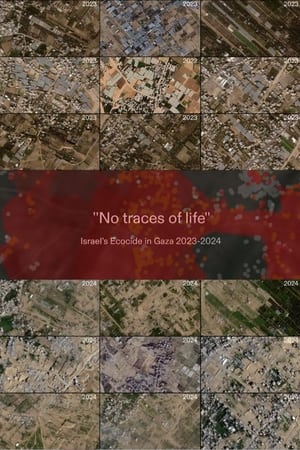
Building on Forensic Architecture’s previous investigation into herbicidal warfare and its effects on Palestinian farmers along the eastern perimeter of the occupied Gaza Strip, this investigation marks Land Day in Palestine by examining the systematic targeting of orchards and greenhouses by Israeli forces since October 2023. Our analysis reveals that this destruction is a widespread and deliberate act of ecocide that has exacerbated the ongoing catastrophic famine in Gaza and is part of a wider pattern of deliberately depriving Palestinians of critical resources for survival.
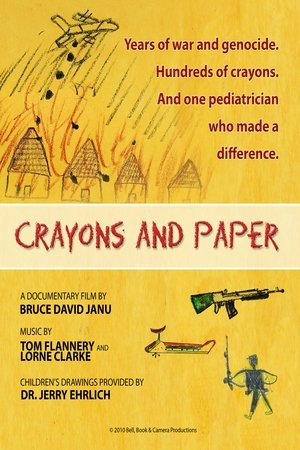
Crayons and Paper follows Dr. Jerry Ehrlich, a New Jersey pediatrician who worked with Doctors Without Borders in war zones including Sri Lanka, Haiti, the Caucasus, and Darfur. Alongside medical care, he gave children crayons and paper, encouraging them to draw their experiences. The resulting images—bombings, shootings, and burning villages—offer a raw, heartbreaking glimpse into the impact of war on children. These drawings serve as powerful testimonies, capturing trauma that words cannot. This short film tells Dr. Jerry’s story and honors the children whose art bears witness to the horrors of conflict.
Take a trip back to Utah in the ’70s, when a new emerging culture clashed with tradition and institution. More than just disco and drugs, the 1970s were a time of great upheaval, socially, politically, and economically. Hear it from the mouths of the people who lived it, and see how the 1970s helped define Utah as a place for growth and a groovy new outlook on life.
An intimate portrait of Matthew Shepard, the gay young man murdered in one of the most notorious hate crimes in U.S. history. Framed through a personal lens, it's the story of loss, love, and courage in the face of unspeakable tragedy.