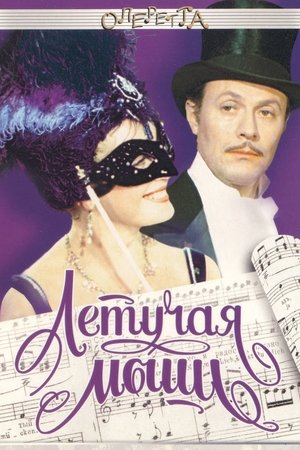
Mamselle Nitouche
As they are leaving the church following their wedding, Count Adrian Beltrami and Countess Anna-Marie are told that the Austrians are marching on the town to quell an Italian uprising. The bride and relatives induce the count to flee to his castle, but Tangy, a silhouette cutter, brings word from the revolutionary committee asking him to return; the count goes, asking Tangy to pose as the count and protect Anna-Marie.
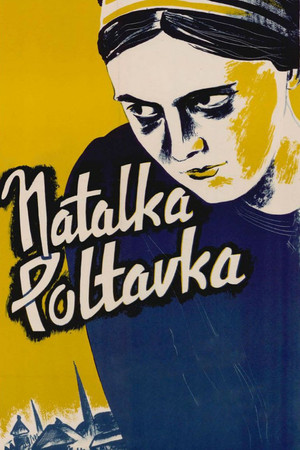
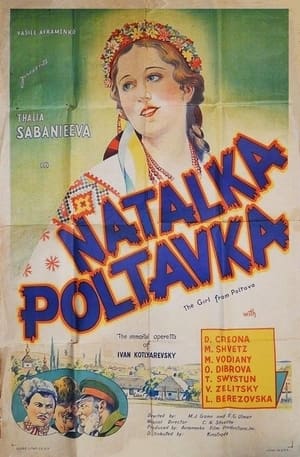
The trials and tribulations of Natalka and Petro. The sweethearts plan to get married, however, Natalka's father does not approve of the marriage because Petro's not affluent enough to keep Natalka in the manner he thought that she should be kept. Petro goes off to earn the required fortune. With no news from Petro for five years, Natalka succumbs to her mother's wishes and finally accepts her next offer of marriage, which happens to come from an old, but relatively wealthy government official.
Vídeňská krev
Vinobraní
The Husbands and The Knives
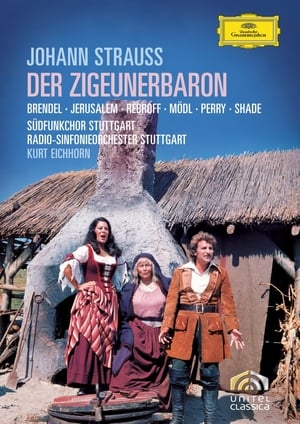
In the Temesvar Province, a landowner returned from exile marries a gypsy girl who is revealed to be the daughter of a Turkish Pasha and the rightful owner of a hidden treasure. Next to "Die Fledermaus", DER ZIGEUNERBARON is Johann Strauss’s most popular operetta. The libretto gave Strauss the chance to revel in such contrasting musical forms as the Csárdás and the Viennese waltz. The style of the lied forms and ensembles is so original and finely balanced that the "Gypsy Baron" can truly be called a comic opera. Among the leading names of the stellar cast in this exuberant 1975 film of the operetta are Wolfgang Brendel, Ivan Rebroff, Janet Perry, Ellen Shade, Martha Mödl and, in the role that launched his career, Siegfried Jerusalem as Sándor Barinkay.
Melodie sněžných hor
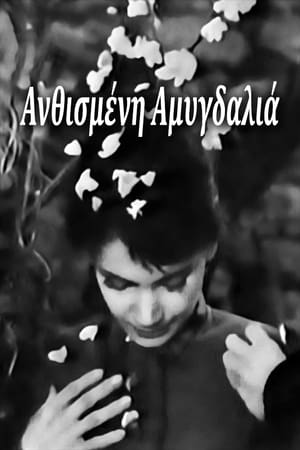
Against the backdrop of a romantic Athenian Easter at a small neighbourhood in turn-of-the-century Athens, a sensitive young woman has eyes only for a handsome intellectual. Can the almond tree's sweet pale petals inspire a great romance?
1838: Fritz Jüterbog and Ottilie von Henkeshofen love each other, but the difference in status is too great for Ottilie's parents to give their consent to a marriage. And so, Fritz sets off for America and returns from there 20 years later as a made man to ask for Ottilie's hand in marriage again. In the meantime, however, Ottilie - believing that Fritz had long since forgotten her - is married in a manner befitting her status, but very unhappily. Fritz, who is highly successful as an entrepreneur, is elevated to hereditary nobility because of his great services to the fatherland. It is too late for a union with Ottilie, but despite the years that pass, the two cannot forget their love. 75 years later, Fritz and Ottilie have died in the meantime, their grandchildren Fred and Tilla meet and fall in love.
Maud Goodin is the daughter of a millionaire, content with her present life, but she is an interesting conquest for those wants to get on the social ladder.
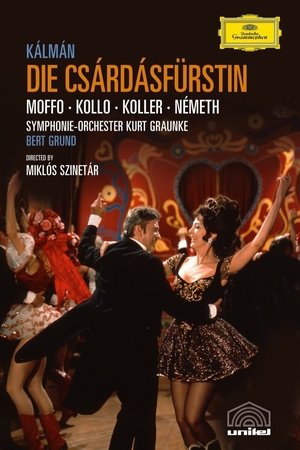
Kálmán Imre's beloved operetta comes to the screen in this comedy of music, marriage and class set in Budapest and Vienna before the outbreak of the First World War, recorded at the Budapest Opera in 1963.
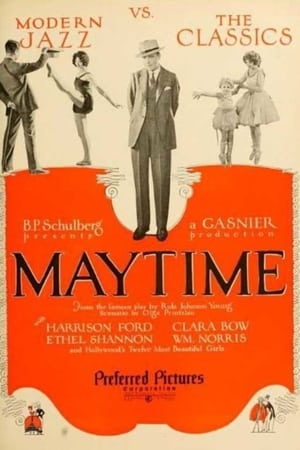
Ottilie Van Zandt is forced to wed her cousin, despite her love for Richard Wayne, the gardener's son. Richard leaves, vowing to return a wealthy man and eligible suitor for her. He returns to find she has already married and, in turn, marries another girl on impulse. Two generations later, the grandchildren of Ottilie and Richard, who both have inherited their names as well, meet and develop a close friendship that culminates in the romance that their grandparents began but could not consummate years before.
Based on the famous operetta, Natalka Poltavka was the first Ukrainian film directed in the USA. Natalka and Petro want to get married, but Natalka's father doesn't approve of the marriage — there are more affluent men in the village. Petro goes off to earn the required fortune.
Bratránek z Batávie
In a small courtyard of an Athenian neighborhood, the tenants become the owner of the cunning landlady who intervenes in their lives.
Eisenstein gets in trouble for shooting a grouse. He is told that he must go to prison for his crime. However, his friend has invited him to an aristocratic ball. Eisenstein, despite being married, wants to go to the ball to meet women. Eisenstein lies to his wife. He tells her that he is going to prison but actually he goes to the ball. His story arises the suspicion of his wife. His wife devises a plot to catch her womanizing husband.
Zigeunerliebe
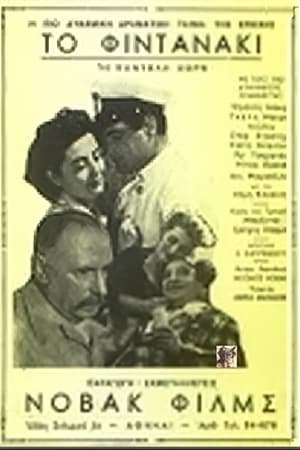
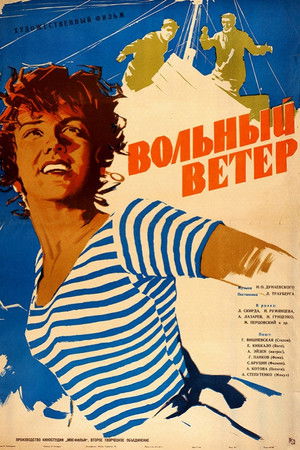
The port town of one of the small southern countries. After the Nazi occupiers left, the port's berths were empty, the steamers did not smoke, cargo cranes stood. Fearing retaliation for collaborating with enemies, port owner Georg Stan fled the city. After waiting a while and securing the support of local authorities, Stan nonetheless returns - and loading operations begin in the port. While loading oranges, the sailor Yango and the beautiful Stella are preparing for the wedding. Suddenly, Stan makes a proposal to the girl and tricks her into agreeing. Upon learning of the deception, the girl runs away to Yango. Having discovered weapons intended to support fascism in the drawer of the hold, the heroes do everything possible to make the boxes fall to the bottom of the sea.
Out of unlikely circumstances an underground ticket vending girl and a mail pilot fall in love.