Belgian art historian and filmmaker Paul Haesaerts (1901–1974) made a significant contribution to the promotion of modern Flemish art. In the late 1940s, he started experimenting with the medium of film to practice a new form of lens-based art criticism. The understudied documentary "Quatre peintres belges au travail" (1952) presents Belgian artists Edgar Tytgat, Albert Dasnoy, Jean Brusselmans and Paul Delvaux at work in their studio. On a large sheet of glass placed in front of the camera, they each paint one of the seasons that also represent a stage in a person’s life. A close reading of this Kodachrome color film sheds light on the context of mid-century art reproductions, mass media and post-war Flemish culture. It also examines in what way this film operates as Haesaerts’s concept of cinéma critique, while raising questions as to the way Haesaerts attempted to reconcile the spatial art of painting with the temporal medium of film.
Amina, a young woman (17) is pregnant and afraid to give birth. For a consolation and advice she goes to older women but their stories scare her even more.
During the Great Depression, vaudeville has fallen on hard times. The Palace Theater may have to close its doors, unless the proprietor, William Jenkins, does something different, so he allows his 12-year-old son to put on a kiddie show that packs the house.
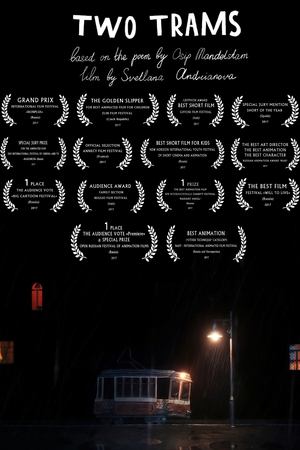
A family sends a man out for some bread. Instead, he seems to be trying to find every drink in Paris. Another man goes out after him, but does the same. They both return, utterly drunk.
A lonely boy starts an online relationship with a girl during lockdown. One day she vanishes and as the days go by the line between the digital and the real starts to blur.
This is the visit to an exhibition of painting and photography with the help of a girl named Claudia, and a sickness called Anorexia.
Based on the biblical story of Abraham and Isaac, from Genesis: “God promised Sarah and Abraham they would have a son, even though she was past childbearing age.” After Isaac is born, to test Abraham’s obedience, God instructs him to sacrifice his only son. As the pious Abraham begins to prepare for the ritual sacrifice, he is stopped by the angel of the Lord and Isaac’s life is spared at the last moment.
To the city come men, women, fruits, flowers, vegetables, goats and sheep – all ready for consumption. It is the process of consumption/exploitation that forms the core of the film.
For an imaginary friend, living an imaginary life, there's nothing worse than being forgotten.
The tragic tale of two unlucky amphibians and a series of escalating blunders that ends their flirting for good.
Elem Klimov's tribute to his late wife, director Larisa Shepitko, killed in a car accident a year earlier. Features excerpts from all of her films, and archival audio of her discussing life and art.
A Twilight Zone-inspired cautionary tale about a young mother forced to come face-to-face with her deepest desire.
Krazy Kat gets falsely arrested for cheese burglaries.
In the vicious slums of Colombia, where prosperity is dictated by brutality, a conflicted kid seeks membership in a brutal gang, with the hope of one day having the power to determine his own destiny.
Two lovers caught in a perpetual cycle of self sacrifice where one has to kill themselves for the other to become alive but they keep repairing each other trying to find a way to break the curse.
A tale about isolation and lack of communication, the gap between the reality a teenage boy lives, and how he would like it be. He has a secret that he would like to tell his family, something that he has come to terms with and is about to affect the rest of his life. But how will they react?
In this Broadway Brevity short, a soda jerk/songwriter dreams (literally) of performing his songs on Broadway.
Mikail had to flee Chechnya for being homosexual. Unexpectedly meeting his old childhood-friend Daud in Germany, Mikal is not only faced with a renewed friendship, but a recurring fear of persecution.
Nina Moyse decides to completely exclude herself from society. However, everything changes when she discovers that she feels a desire for some form of human interaction.
Buster Brown creater R.F. Outcault sketches his creation. Part of the Buster Brown series for Edison film studio.