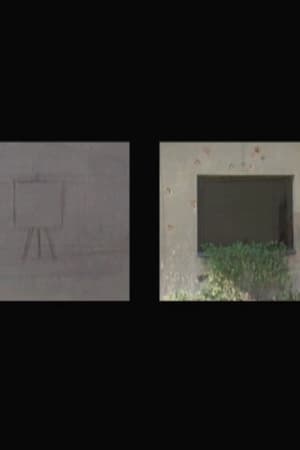
In 1947, two years after the end of the Second World War, Film Journal No. 1 was released in Sarajevo. Fifty years later, after the collapse of the Communist bloc, this newsreel was lost in the confusion of the fighting in Yugoslavia. In Journal No. 1 Hito Steyerl attempts to find out how the footage got lost and what was on this document from the Sutjeska studio. In the simultaneous projection of Journal No. 1 the ‘unattainability of an historical zero hour of the national identity’ takes concrete form: The lost newsreel reports on a literacy campaign as well as Muslim women confidently removing their headscarves. We listen however to eyewitnesses trying to recapture the lost content and we see the artist Arman Kulasic making a number of drawings that resemble the story-boards for the lost film. What appears to be moments of great change remain limited by subjective and uncertain memory. The film was premiered at documenta 12.
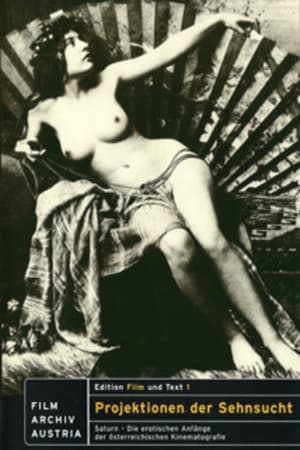
Projektionen der Sehnsucht
A growing group of Dutch people in their twenties see the earth becoming less livable. They join the climate group Extinction Rebellion and campaign to fight the climate crisis. There is little they shy away from in their struggle: nightly campaigns, high-altitude actions, and even arrests or a criminal record. Everything for a better planet.
Fragments of actuality coverage of the great Hindu festival of the Kumbh Mela held in Nasik.
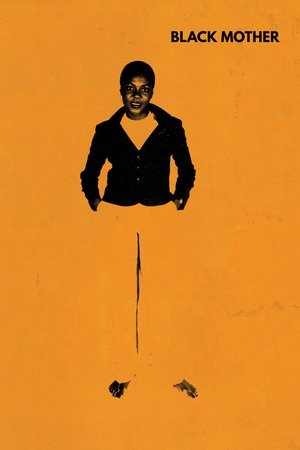
Part film, part baptism, in BLACK MOTHER director Khalik Allah brings us on a spiritual journey through Jamaica. Soaking up its bustling metropolises and tranquil countryside, Allah introduces us to a succession of vividly rendered souls who call this island home. Their candid testimonies create a polyphonic symphony, set against a visual prayer of indelible portraiture. Thoroughly immersed between the sacred and profane, BLACK MOTHER channels rebellion and reverence into a deeply personal ode informed by Jamaica’s turbulent history but existing in the urgent present.
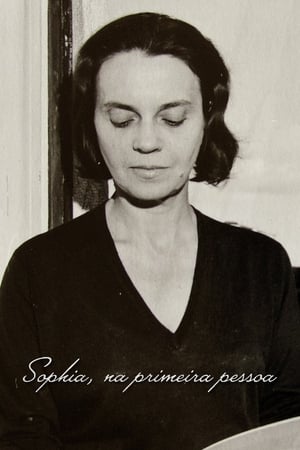
Using the author's personal estate, current images of places where she lived or were dear to her, and archival images of television and film; using parts of her prose and poetry always with first-person testimonies; from Porto to Lisbon, from Granja to Lagos, from the Atlantic Sea to the Mediterranean, from Greece to 25 April: the passions and disappointments of a life and work dedicated to the search for the real, freedom and justice.
She now lives many miles away from her mother, who is waiting to hear from her. It is a bittersweet, restless, nostalgic moment, and she remembers those vanished years.
El siglo de las luces
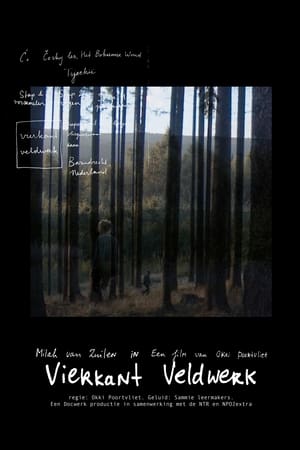
Milah van Zuilen, visual artist and forest ecologist in training, uses the square to deal with the habit of people to construct nature. Square Fieldwork is filmed in the Bohemian forest in the Czech Republic and the concrete structure of Barendrecht, The Netherlands.
Des pecs et des fesses
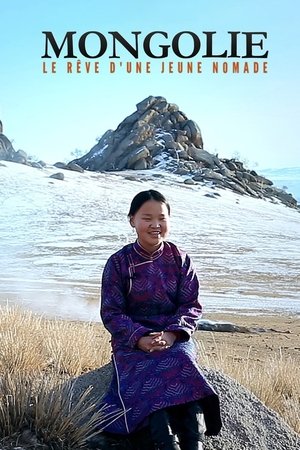
Mongolie, le rêve d'une jeune nomade
Hold mig fast. Før jeg forsvinder
The Art of Nom explores an ancient and nearly extinct Vietnamese script called Chu Nom and the five scholarly artists known as Zenei, Gang of Five. The beauty, heritage and emotion of the Chu Nom characters inspire Zenei’s art. The film also examines Vietnam’s culture, history, customs, and the social impact of rapid modernization in a changing world. Art of Nom follows Zenei through their research and explorations that takes them far off the beaten path. They enter hidden library chambers of Buddhist pagodas to examine original Nom scriptures and woodblocks preserved by monks through the centuries. Led by renowned artist Le Quoc Viet, Zenei is a collective of avant-garde calligraphers forging a new path, merging contemporary visual expression with a nearly extinct script. Zenei elevates art and history to a new level of experience.
A poetic, experimental portrait of four Hong Kong women in London working to digitise records of the handover agreement between the United Kingdom and China. Impressionistic and precise, personal and expansive, Cheung's elegant, eloquent work decodes history and how politics are enacted.
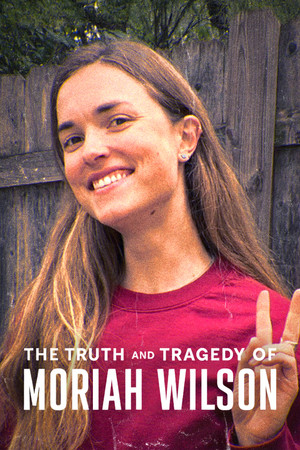
An intimate, arresting portrait of cyclist Moriah Wilson—raised by a fierce, loving family—whose singular drive becomes her superpower, carrying her to athletic brilliance and, devastatingly, toward a life cut short by murder.
“Sweet Bananas traces the contrasting lives of some working class and upper class women, who end up all getting along.” -- E. Ann Kaplan
The history of Amos, a town in Abitibi-Témiscamingue (Quebec).
In Caribou in the Archive, rustic VHS home video of a Cree woman hunting caribou in the 1990s is combined with NFB archival film footage of northern Manitoba from the 1950s. In this experimental film, the difference between homemade video and official historical record is considered. Northern Indigenous women hunting is at the heart of this personal found footage film in which the filmmaker describes the enigmatic events that led to saving an important piece of family history from being lost forever.
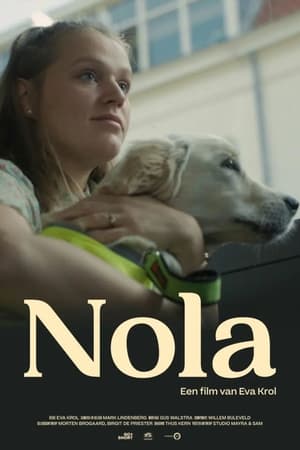
In the documentary Nola, we follow the 24 year old Daniëlle and her psychosocial assistance dog. Daniëlle has been struggling with her anxiety disorder for years and has tried many forms of therapy to no avail. Therefore, assistance dog Nola is her last hope for recovery.
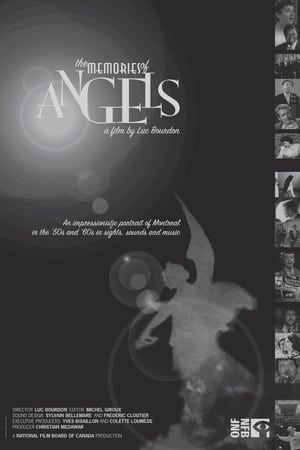
Documentary, poetry and essay rolled into one, this compilation of stockshots and clips sourced from NFB productions of the '50s and '60s offers a singular lesson in Montreal history - its famous figures, symbolic places, and ordinary citizens. Without commentary, the film moves from the red light district to Jean Drapeau, the Jacques-Cartier market, department stores downtown, textile factories, and the construction of Place Ville-Marie. We meet Geneviève Bujold, Oscar Peterson, Monique Mercure, and Igor Stravinsky. We hear Raymond Lévesque, Jean Drapeau, and René Lecavalier.