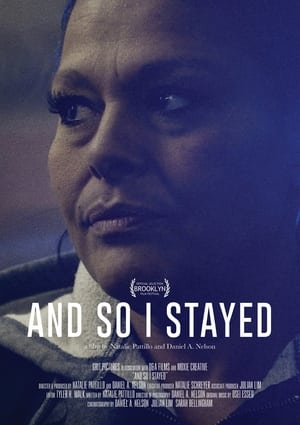
AND SO I STAYED is an award-winning documentary about survivors of abuse fighting for their lives and spending years behind bars. These women paid a steep price with long prison sentences, lost time with loved ones, and painful memories. Formerly incarcerated survivor-advocate Kim Dadou Brown, who met her wife while incarcerated, is a driving force in the passage of New York’s Domestic Violence Survivors Justice Act (DVSJA), a new law meant to prevent survivors from receiving harsh prison sentences for their acts of survival. Nikki Addimando, a mother of two young children, suffered the consequences when a judge didn’t follow the law’s guidelines. Tanisha Davis, a single mother who was ripped away from her son in 2013, is hopeful the new law is her way out of a harsh prison sentence.
Christy Martin broke boundaries and noses as she rose in the boxing world, but her public persona belied personal demons, abuse and a threat on her life.
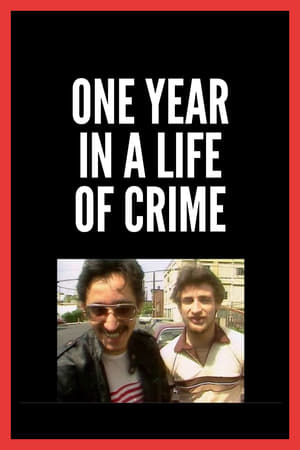
Their job is stealing, their lives a cruel dead end. Director Jon Alpert takes his cameras undercover for this hard-hitting look at men who live by theft and suffer addiction. Focusing on a year in the lives of three professional criminals, this gritty profile—which includes hidden-camera footage of actual thefts—exposes the "petty" crimes that are paralyzing America.
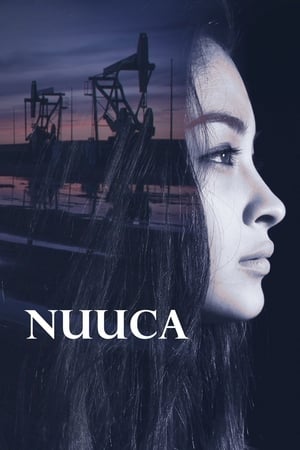
In this evocative meditation, a disturbing link is made between the resource extraction industries’ exploitation of the land and violence inflicted on Indigenous women and girls. Or, as one young woman testifies, “Just as the land is being used, these women are being used.”
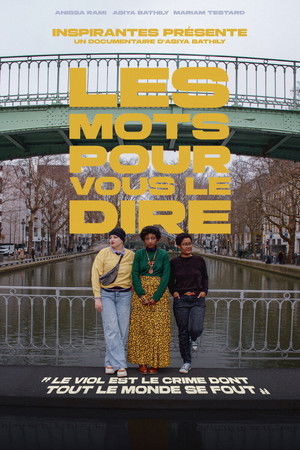
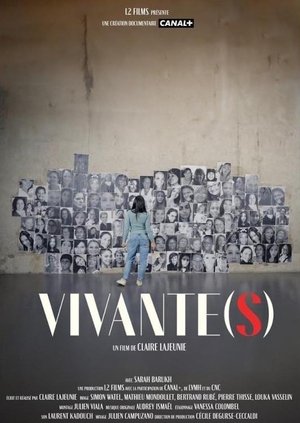
Mariam, Asiya, and Anissa were 11, 7, and 5 years old when they were raped. The attackers were their paternal uncle, a neighborhood youth, and the nanny's son. They have no memory of the event. To protect them, their bodies developed traumatic amnesia. Years later, the memories returned, and they decided to file a complaint.
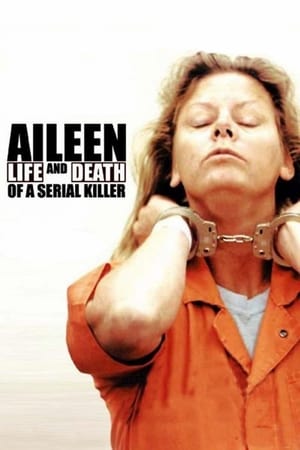
British documentarian Nick Broomfield creates a follow-up piece to his 1992 documentary of the serial killer Aileen Wuornos, a highway prostitute who was convicted of killing six men in Florida between 1989 and 1990. Interviewing an increasingly mentally unstable Wuornos, Broomfield captures the distorted mind of a murderer whom the state of Florida deems of sound mind -- and therefore fit to execute. Throughout the film, Broomfield includes footage of his testimony at Wuornos' trial.
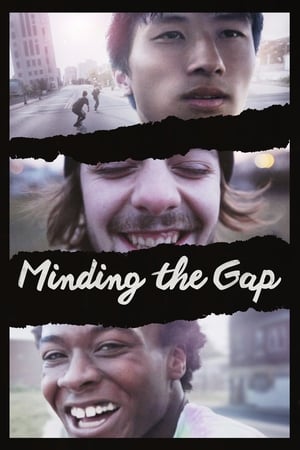
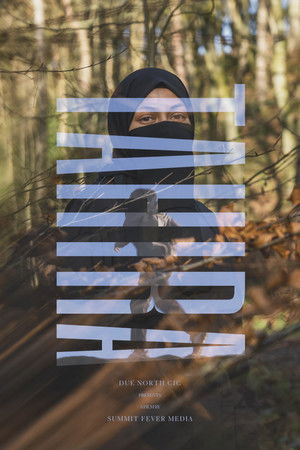
Three young men bond together to escape volatile families in their Rust Belt hometown. As they face adult responsibilities, unexpected revelations threaten their decade-long friendship.
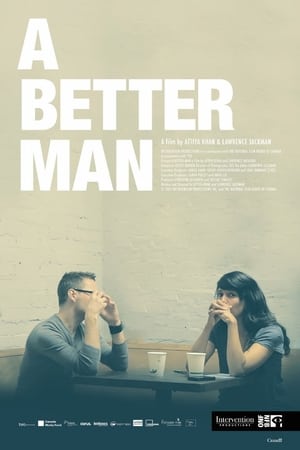
The four adult heroes and heroines of the film, who were selected in a casting call posted on TV, speak candidly on camera from the very beginning of their memories. Through individual stories, they describe their childhoods, family backgrounds, life at school, and how they spent their free time. The stories complement each other and are intertwined; we see emotions and hear things that reveal the horrific DNA of domestic violence. The documentary addresses the issue of abuse with an emphasis on the entire social environment of the victims and the societal underpinnings. Typical of domestic violence is that victims often hide it within themselves; they do not talk about it, and sometimes they do not even admit it. But in the documentary, they were determined to speak out.
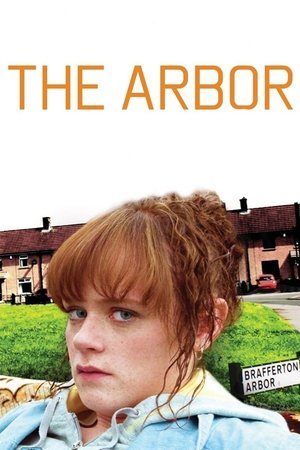
The lives of the late Bradford playwright Andrea Dunbar and Lorraine, one of her daughters, and the community of Bradford, in the 30 years since the 18-year-old Andrea penned a play about growing up in the community titled "The Arbor".
Short documentary about the lives of three girls and the women who rescued them from retrogressive cultural practices in their own Maasai community at the AIC Girls School and Rescue Center in Kajiado, Kenya. It is an intimate portrait of these women as they sacrifice everything to make a stand against female genital mutilation and early forced marriage happening within their own culture.
Stacey Dooley goes behind closed doors and speaks to the now younger face of domestic violence. She questions victims and abusers to try and understand how deep the issues surrounding domestic abuse are for those who have survived and those currently experiencing the abuse.
Des blouses pas si blanches
Balance tes réseaux : enquête sur le sexisme
Documentary on the work of the Garda Síochána to combat anti-social behaviour on the streets of the capital. We hear the stories of victims of verbal and physical abuse.
Since the beginning of her career, Sinéad O’Connor has used her powerful voice to challenge the narratives she was surrounded by while growing up in predominantly Roman Catholic Ireland. Despite her agency, depth and perspective, O’Connor’s unflinching refusal to conform means that she has often been patronized and unfairly dismissed as an attention-seeking pop star.
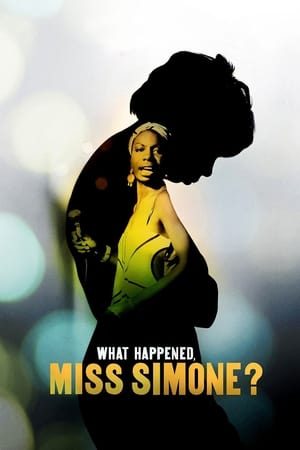
The film chronicles Nina Simone's journey from child piano prodigy to iconic musician and passionate activist, told in her own words.
A series of lawsuits and allegations have legendary rap mogul P. Diddy on the ropes. TMZ has the troubling inside story from people who were there.
An examination of the issue of missing and murdered Indigenous women, the film explores the reasons why Indigenous women are uniquely vulnerable to violence by juxtaposing the stories of some missing or murdered women with the personal testimonies of women who are doing activism on the issue and women who have personally survived incidents of violence.
This Hits Home is a feature length documentary that reveals the invisible and silent epidemic of permanent traumatic brain injury in women devastated by domestic violence. The intimate and compelling stories of courageous women, insights from lawmakers and domestic violence authorities, and the shocking revelations from world renowned experts combine to paint a chilling portrait of brain injury that forever changes the lives of one in every four women and their children.
On September 16, 2022, in Teheran, the murder by police of the young Mahsa Amini, arrested for "wearing a headscarf contrary to the law", sparked off an unprecedented insurrection. Within hours, a spontaneous movement formed around the rallying cry: "Woman, life, freedom". For the first time, women, joined by men and students, took the initiative and removed their veils, the hated symbol of the Islamic Republic. The Iranian population, from all regions and social categories, rose up in protest. Social networks went wild. The diaspora (between 5–8 million Iranians) took up the cause, and the whole world discovered the scale of this mobilization: could the theocratic regime be overthrown this time?