Tati Express dives into Jacques Tati's films and how they look at a changing world throughout the 20th century. It shows how modernity impacts human-beings and goes through that amazing body of work at 100 mph.
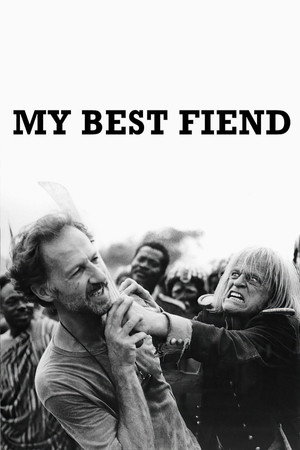
A film that describes the love-hate relationship between Werner Herzog and Klaus Kinski, the deep trust between the director and the actor, and their independently and simultaneously hatched plans to murder one another.
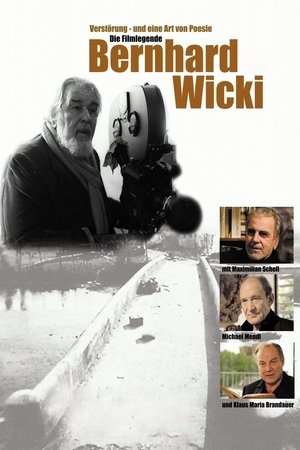
Documentary about film director and actor Bernhard Wicki.
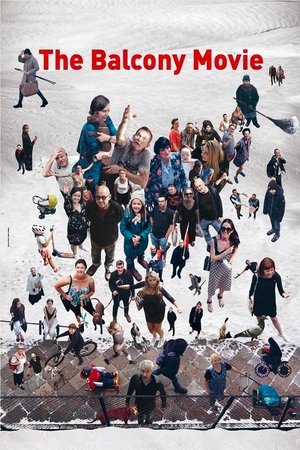
Composed from the conversations that the director holds with people passing by in the street under his Warsaw apartment, each story in 'The Balcony Movie' is unique and deals with the way we try to cope with life as individuals. All together, they create a self-portrait of contemporary human life, and the passers-by present a composite picture of today's world.
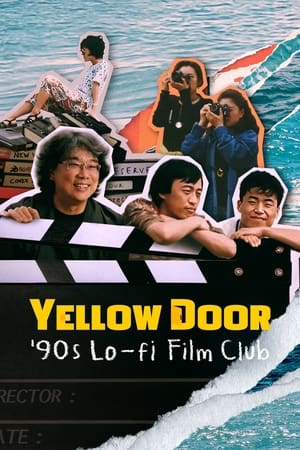
This intimate documentary explores a bygone era of cinematic passion and the emergence of young film enthusiasts in South Korea, including Bong Joon Ho.
Iranian film director Amir Naderi talks to Zar Amir Ebrahimi about his career in this documentary directed and produced by Ebrahimi and broadcast by BBC World Service and BBC Persian. Amir Naderi is one of the most influential figures of Iranian modern cinema. He was born in 1945 in the Persian Gulf port of Abadan. Orphaned at an early age and living the life of a street urchin, Naderi had to survive by selling ice, working as a shoeshine boy and recycling empty beer bottles. He developed his knowledge of cinema by watching films in the theaters where he worked at a very young age. He began his career by taking pictures for some notable Iranian features. In the 1970’s, he started directing his own films, and made some of the most important movies of the New Iranian Cinema. After moving to New York in the early 90’s, Amir Naderi continued to make films. They have premiered at the Venice, Cannes, Tribeca, and Sundance Film Festivals.
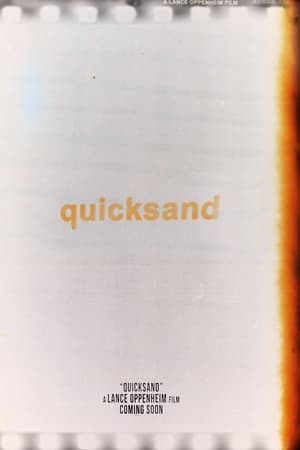
"A week before he passed away, my grandfather shared with me his former aspirations of becoming a filmmaker. After many trials, a narrow escape from the Nazis and immigration to the United States, the dream slowly but surely came true. surely passed out. After his passing, I discovered a treasure trove of dust-covered 8mm film archives that had apparently not been seen by anyone for at least a generation. Mesmerized, what unfolded before me was something something most people, myself included, had never seen before: the development and complete decline of the human body and mind. Motivated by my grandfather's unrealized cinematic dreams, I decided to reconstruct a film that he had already made involuntarily." Lance Oppenheim
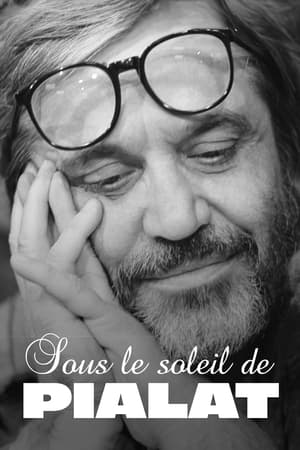
In just ten films, Maurice Pialat painfully rose to the top of the cinema, draining into his legend a mad demand for truth as much as memorable fury to achieve it. With "L'Enfance nue", his first feature film at the age of 43, the filmmaker immediately made his mark, this "art of making things authentic", according to Chabrol. But throughout an unclassifiable filmography in the form of an autobiography, from a break-up to his fatherhood in wonder, through the agony of his mother, the filmmaker does not get rid of the feeling of being misunderstood, despite international recognition.
An aspiring actress, working as a production assistant on an indie film, unexpectedly gets her big break when the lead actress is fired, all while a documentary crew captures the chaos.
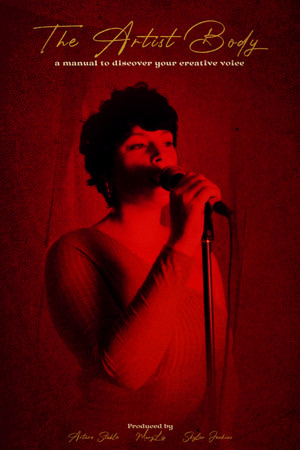
A Singer, Musician & Filmmaker embark on a Cross Country Journey to explore what it takes to Find your Creative Voice. Through conversations, theory & musical moments, they uncover the steps & struggles every artist faces. This isn’t just a film—it’s a blueprint to find your voice.
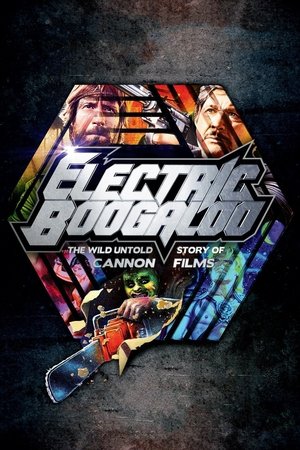
A documentary about the rise and fall of the Cannon Film Group, the legendary independent film company helmed by Israeli cousins Menahem Golan and Yoram Globus.
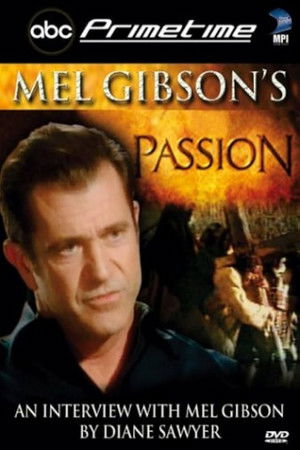
In this special edition of Primetime, ABC News' Diane Sawyer interviews filmmaker Mel Gibson about his highly controversial movie, ""The Passion of the Christ."" He responds to charges that the movie's portrayal of the Jewish role in the death of Christ will encourage anti-Semitism. He also elaborates on comments he's made about the Holocaust. In addition, Gibson tells why he felt it necessary to exhibit such a graphic depiction of Christ's crucifixion on film and discusses his decision to tell the story in Aramaic and Latin.
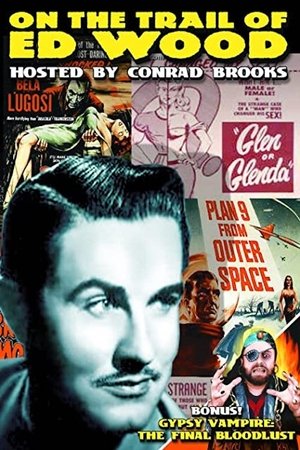
A documentary on the life and career of filmmaker Edward D. Wood Jr., with clips from his films and interviews with the cast and crews of some of his films.
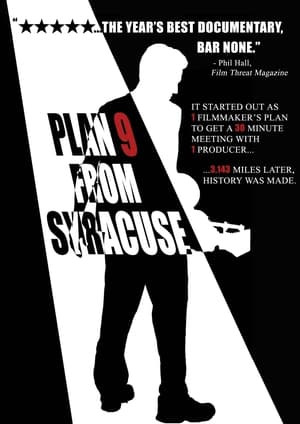
On August 15th, 2006, filmmaker Ryan Dacko set out to get a 30-minute meeting with a major Hollywood producer by running on foot from Syracuse, New York to Hollywood, California.
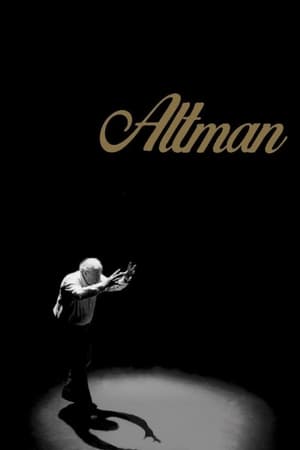
Robert Altman's life and career contained multitudes. This father of American independent cinema left an indelible mark, not merely on the evolution of his art form, but also on the western zeitgeist. With its use of rare interviews, representative film clips, archival images, and musings from his family and most recognizable collaborators, Altman is a dynamic and heartfelt mediation on an artist whose expression, passion and appetite knew few bounds.
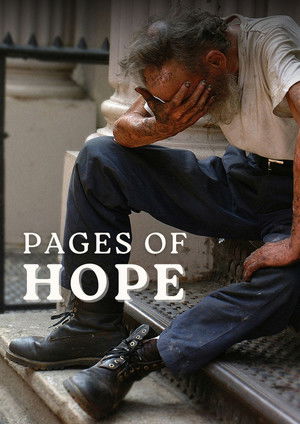
Homeless man Robert (Bobby) Webb discovers the art of filmmaking, turning pages of his life into a heartfelt reel. Through his journey he finds hope and new meanings in unexpected aspects of his life as he relives them.
Because his style was similar to that of Yasujiro Ozu, who was already active at Shochiku, he moved to PCL (currently Toho) in 1933, where he appeared in the talkie works "My Wife, Like a Rose" and "Tsuruhachi Tsurujiro." It got attention. There were times when he was unable to make as many films as he wanted due to wartime film regulations and post-war Toho disputes, but in 1951 he revived his career with Meshi. Since then, he has released masterpieces one after another, including "Okaasan," "Lightning," "The Couple," "Wife," "Anii Mouto," "Sounds of the Mountain," and "Bangiku." The pinnacle of his work, "Floating Clouds," is Kenji Mizoguchi's "Wife." Even director Ozu was impressed, calling it a masterpiece of Japanese cinema, on par with "The Sisters of Gion." He depicted ordinary people in everyday life with an everyday realism that was not influenced by lyricism, and he consistently sought out women as his subjects.
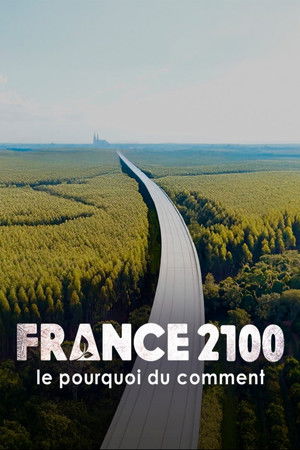
France 2100, le pourquoi du comment
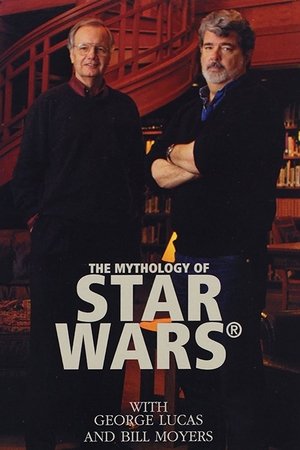
George Lucas discusses how Joseph Campbell and his concept of the Monomyth (aka the Hero's Journey) and other concepts from mythology and religion shaped the Star Wars saga.
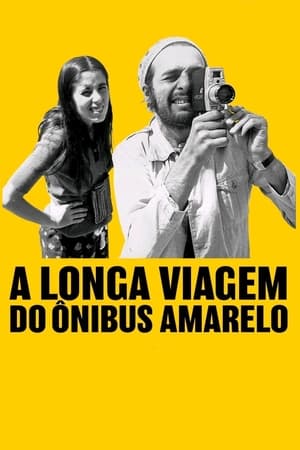
For this behemoth, Bressane took his opera omnia and edited it in an order that first adheres to historical chronology but soon starts to move backwards and forward. The various pasts – the 60s, the 80s, the 2000s – comment on each other in a way that sheds light on Bressane’s themes and obsessions, which become increasingly apparent and finally, a whole idea of cinema reveals itself to the curious and patient viewer. Will Bressane, from now on, rework The Long Voyage of the Yellow Bus when he makes another film? Is this his latest beginning? Why not, for the eternally young master maverick seems to embark on a maiden voyage with each and every new film!