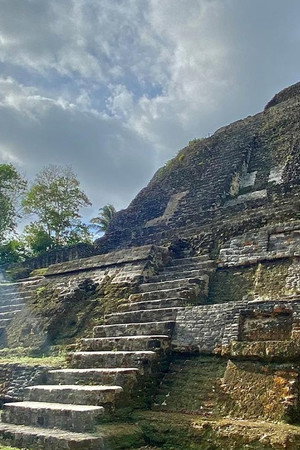
One of the great mysteries of history is how the ancient Maya built such an incredible society in a tropical rainforest over two thousand years - and then vanished. How? Why? New discoveries and new science can now tell the story.
This Traveltalk series short visits the village of Chichicastenango, Guatemala and emphasizes the influence of the Mayan culture on its people. It shows how the residents intermingle ancient religious practices with Catholic teachings. Narrator James FitzPatrick introduces, and greets on camera, Father Ildefonso Rossbach, a Catholic priest who ministers to the local population in the village and outlying areas.
We begin this short visit to Guatemala at the port town of Livingstone, then journey up the Rio Dulce. We stop to watch men tap the trees, harvest the sap, and load the product onto small planes. At a local market, we see indigenous life much as it's been for hundreds of years. Then it's back to the coast, to the prosperous Isla de Flores, a trading island.
A documentary on the war between the Guatemalan military and the Mayan population, with first hand accounts by Nobel Peace Prize winner Rigoberta Menchú.
This FitzPatrick Traveltalk short visits Guatemala City, touching upon its sights, customs, and history.
Through dances and games, migrant boys and girls who live in a shelter in Reynosa, on the US-Mexico border, shared their dreams and stories of hope with us.
From a historic genocide trial to the overthrow of a president, the sweeping story of mounting resistance played out in Guatemala’s recent history is told through the actions and perspectives of the majority indigenous Mayan population, who now stand poised to reimagine their society.
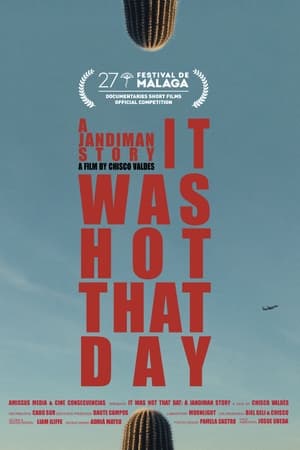
During the 2020 pandemic summer, El Colegio de la Desextinción infiltrated into the holidays of four Divine Caste’s descendants. This elite built its wealth on slavery in the sisal plantations of Yucatán, Mexico, at the end of the 19th and beginning of the 20th century. Every year these families move to their opulent summer houses at Chicxulub Puerto, built at the same place where the asteroid that killed the dinosaurs hit. In these apocalyptic beaches, seducers of asteroids and conquistadors, we proposed the young heirs to write and star in a film about Chicxulub’s crater, in which they staged their entrepreneur fantasies.This documentary is the result of the political unconsciousness of this peninsular ethnic group.
Denese Joy Becker, a manicurist living in Iowa, discovers she is indeed Dominga Sic Ruiz, a survivor from a 1982 Guatemalan massacre, when more than 200 people were killed in the small village of Rio Negro, after opposing the construction of a dam, sponsored by World Bank. She then tries to unveil the truth.
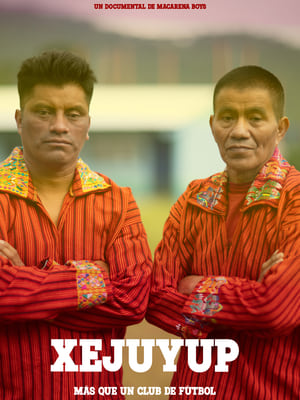
The Perechú family is afraid that the ancestral costume of their ancestors will disappear, but they see soccer as an opportunity to keep their culture and legacy alive.
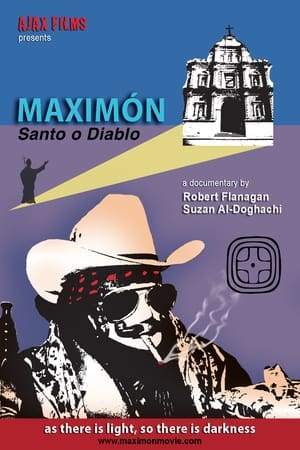
MAXIMÓN - Devil or Saint is a documentary about the controversial Maya deity, also known as San Simon or the drinking and smoking saint of Guatemala. He is a mixture of ancient Maya beliefs and Christianity. The movie concentrates on the people who surround Maximón with their strong personalities, opinions and faith. The documentary gives us a rare view into the rituals and fiestas honoring Maximón. The cult of Maximón is flourishing because he performs miracles. He is also feared and despised because he is used to cast curses that can result in death. Ultimately, Maximón transcends the duality of good and evil, reflecting the Maya cosmovision in which everything in the universe co-exists.
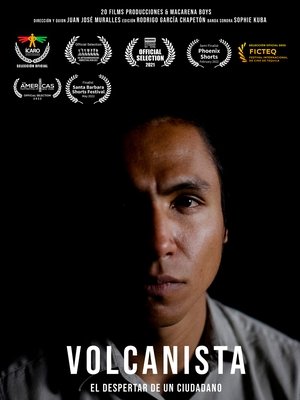
Jorge Luís Altuve is a young Guatemalan, passionate about mountaineering and a lover of his country. After the COVID-19 crisis and the lack of transparency in the execution of funds by the government of Alejandro Giammattei, he raised a wave of indignation that led thousands of Guatemalans to demonstrate. Jorge Luis attended the central square, when PNC agents began to intimidate the peaceful demonstrators. He and other citizens were arrested without having carried out an act of vandalism.
Widows is a documentary about the wives of pilots, who have been killed while working on the streets of Guatemala City. Being a van or taxi driver in the Central American country is considered one of the most dangerous jobs in the world.
"Mother Tongue" chronicles the first time a documentary film about Guatemalan genocide in Guatemala was translated and dubbed into Maya-Ixil—5.5% of whom were killed during the armed conflict in the 1980s. Told from the perspective of Matilde Terraza, an emerging Ixil leader and the translation project’s coordinator, "Mother Tongue" illuminates the Ixil community’s ongoing work to preserve collective memory.
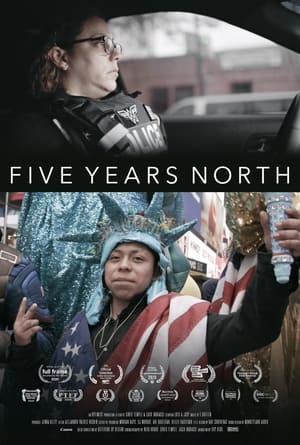
Five Years North is the coming-of-age story of Luis, an undocumented Guatemalan boy who just arrived alone in New York City. He struggles to work, study, and evade Judy - the Cuban-American ICE officer patrolling his neighborhood.
A story of destinies joined by Guatemala's past, and how a documentary film intertwined with a nation's turbulent history emerges as an active player in the present.
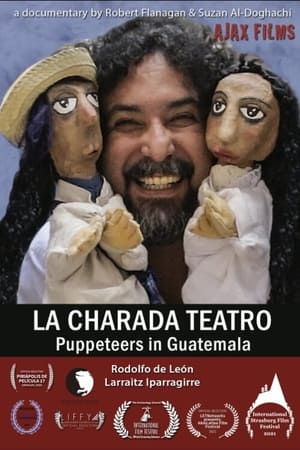
A joyous Guatemalan film about the magic and charm of puppetry. This documentary follows the charismatic artists as they make their puppets and perform. Both humorous and socially aware, their themes are drawn from classic stories, local legends and history.
From the shadows of a Guatemalan neighbourhood scared into silence, two sisters lead a luminous rebellion—unleashing joy, art, and radical truth in a fight for survival.
Since 1999, more than 2,000 women have been murdered in Guatemala, with numbers escalating every year, yet lawmakers and government officials turn a blind eye. Powerful and uncompromising, Killer's Paradise uncovers an emotionally wrenching human rights tragedy, while exposing an inept judicial system that allows it to happen. After almost four decades of civil war, Guatemala is a troubled society, but it can also be seen as a microcosm of the pervasive violence and injustice against women worldwide.
Every day dozens of decommissioned school buses leave the United States on a southward migration that carries them to Guatemala, where they are repaired, repainted, and resurrected as the brightly-colored camionetas that bring the vast majority of Guatemalans to work each day. Since 2006, nearly 1,000 camioneta drivers and fare-collectors have been murdered for either refusing or being unable to pay the extortion money demanded by local Guatemalan gangs. LA CAMIONETA follows one such bus on its transformative journey: a journey between North and South, between life and death, and through an unfolding collection of moments, people, and places that serve to quietly remind us of the interconnected worlds in which we live.