The lives of Ruth, Philipp, and Anja are directly linked to coal. And so they are also directly affected by the debate surrounding the coal phase-out. They are concerned about their future, but from different perspectives and in different ways. The days of coal are numbered. A coal commission is currently working on a concept for phasing out coal that includes an end date for lignite mining and power generation while ensuring that the climate protection target for 2030 is achieved. Germany already generates almost 40 percent of its electricity needs from renewable energies.
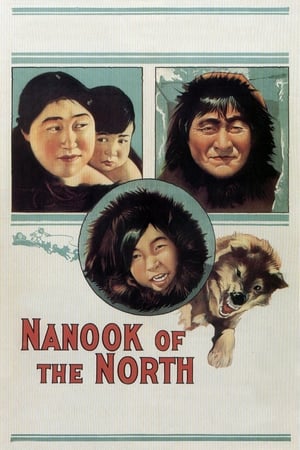
This pioneering documentary film depicts the lives of the indigenous Inuit people of Canada's northern Quebec region. Although the production contains some fictional elements, it vividly shows how its resourceful subjects survive in such a harsh climate, revealing how they construct their igloo homes and find food by hunting and fishing. The film also captures the beautiful, if unforgiving, frozen landscape of the Great White North, far removed from conventional civilization.
The Tasmanian Tiger twists and turns depending on how it's seen. Sheep-killing beast or tragic victim of human induced extinction. Ancient painting on a rock or vivid ancestor spirit. Lost forever, or a timely reminder to respect the connection between human and animal, culture, nature and country. In stunning landscapes across Australia where Thylacines once roamed, people from wide-ranging traditions share their experiences: First Nations artists, rangers and custodians; biologists, bone hunters and archaeologists. Multiple insights combine to throw light on Australia's most wanted animal.
Werner Herzog's documentary film about the "Grizzly Man" Timothy Treadwell and what the thirteen summers in a National Park in Alaska were like in one man's attempt to protect the grizzly bears. The film is full of unique images and a look into the spirit of a man who sacrificed himself for nature.
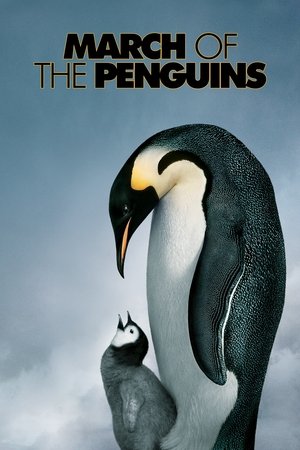
Every year, thousands of Antarctica's emperor penguins make an astonishing journey to breed their young. They walk, marching day and night in single file 70 miles into the darkest, driest and coldest continent on Earth. This amazing, true-life tale is touched with humour and alive with thrills. Breathtaking photography captures the transcendent beauty and staggering drama of devoted parent penguins who, in the fierce polar winter, take turns guarding their egg and trekking to the ocean in search of food. Predators hunt them, storms lash them. But the safety of their adorable chicks makes it all worthwhile. So follow the leader... to adventure!!
Following in the footsteps of Charles Darwin, Heinz Sielmann traveled to the bizarre volcanic islands of Galapagos. The multi-award-winning film shows the unique wildlife on the Pacific Noah's Ark.
A documentary on Al Gore's campaign to make the issue of global warming a recognized problem worldwide.
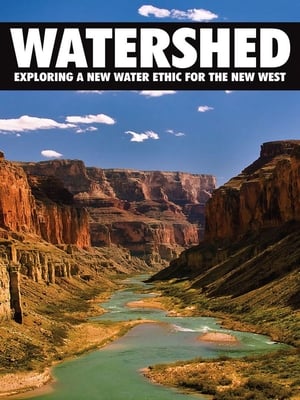
The American Southwest is a feature length blue chip natural history film narrated by indigenous environmentalist Quannah Chasinghorse. The movie journeys down the mighty Colorado River, examining the astonishing beauty and biodiversity of the region, while confronting the environmental destruction from dams and the perilous fate of the river. The story is told through never-before-seen wildlife sequences such as beavers building wetlands, condors recovering from the brink, and the potential return of Jaguars to American soil. The film beautifully advocates for better management of the river and increased wildlife conservation efforts in the iconic landscapes of The American Southwest.
Dans les pas du Groupe
Z ptačího světa
Hlavátky
The highest mountain range in the world, the Himalayan range is far reaching, spanning thousands of miles, and holds within it an exceptionally diverse ecology. Coniferous and subtropical forests, wetlands, and montane grasslands are as much a part of this world as the inhospitable, frozen mountaintops that tower above. The word Himalaya is Sanskrit for abode of snow, fitting for a stretch of land that houses the world’s largest non polar ice masses. Extensive glacial networks feed Asia's major rivers including the Ganges, Indus, and Brahmaputra. More than a billion people rely on these glacier-fed water sources for drinking water and agriculture. The Himalayas are not only a remarkable expanse of natural beauty. They're also crucial for our survival.
Lost Worlds looks at untouched aspects of nature in parts of the world where humans rarely tread. From plants, to animals, to geology, this artfully photographed documentary presents facets of the biological world that you are not likely to see anywhere else.
An underwater exploration beneath kelp forests in the Pacific Ocean off the coast of Southern California. The film captures the birth of a shark, squids mating, a lobster molting, a fish protecting its nest from an octopus and a sea urchin, and the sea bed covered with brittle stars.
Mountain Gorilla takes us to a remote range of volcanic mountains in Africa, described by those who have been there as ""one of the most beautiful places in the world"", and home to the few hundred remaining mountain gorillas. In spending a day with a gorilla family in the mountain forest, audiences will be captivated by these intelligent and curious animals, as they eat, sleep, play and interact with each other. Although gorillas have been much-maligned in our popular culture, viewers will finally ""meet the legend"" face to face, and learn about their uncertain future.
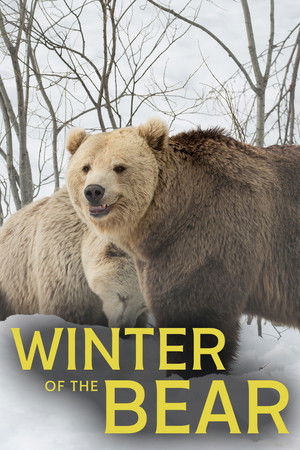
Za karpatským medvědem
Ewan McGregor narrates a captivating portrait of wild Shetland and traces the course of a breeding season as the animals on these remote islands battle for survival.
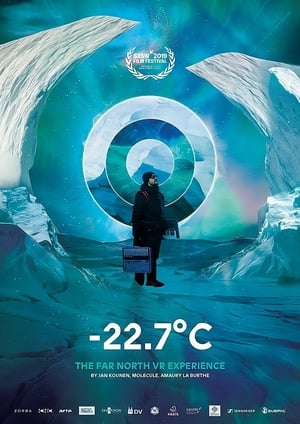
Interview with a scientist from the Concordia research base, in the middle of an ice desert.
Although first glance reveals little more than stones and sand, the desert is alive. Witness moving rocks, spitting mud pots, gorgeous flowers and the never-ending battle for survival between desert creatures of every shape, size and description.
This documentary follows various migratory bird species on their long journeys from their summer homes to the equator and back, covering thousands of miles and navigating by the stars. These arduous treks are crucial for survival, seeking hospitable climates and food sources. Birds face numerous challenges, including crossing oceans and evading predators, illness, and injury. Although migrations are undertaken as a community, birds disperse into family units once they reach their destinations, and every continent is affected by these migrations, hosting migratory bird species at least part of the year.