In 1940 twenty Canadian Beavers were brought to 'Tierra del Fuego' island in southern Patagonia for commercial fur production. However, beavers having no natural predators, quickly spread throughout the island, causing massive destruction of trees threatening the entire Patagonian forests rivers and species. Why wildlife conservationist are convinced that 150.000 beavers must be killed? Why some of the most recognized specialist are convinced that an eradication is not possible? Meanwhile truism is capitalizing on the situation: a man dressed as a beaver passes out flyers promoting a famous sky resort: 'Cerro Castor' - Beaver Hill. Hunters claim for subsidies, scientists are researching, rangers do what they can and restaurants tray to offer beaver meat to tourist.
This feature documentary examines the destruction of the tundra barrens of northern Canada for mineral mining, including that of Canadian diamonds. Many species have been threatened by this development, including the caribou and the Eskimo Curlew, a bird that flew the sky in thousands which is now nearly extinct. This film makes a compelling case for planned conservation in one of the last unspoiled wilderness regions left in the world.
Emerald Islands Of Malaysia
Rwanda was once a country of peace, beauty and fabulous wildlife. Romain Baertsoen arrived there in 1966 and started to film two of Rwanda's secrets, the Bahima tribe and rare mountain gorillas. The Rwandan Civil War shattered the peace in 1994, as warring factions pillaged towns and plundered the forests. Remarkably, the gorillas survived, but the world around them is increasingly uncertain.
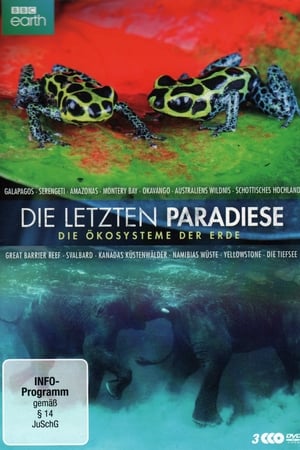
Die letzten Paradiese - Die Ökosysteme der Erde
This astounding documentary delves into the mysteries of the Tunguska event – one of the largest cosmic disasters in the history of civilisation. At 7.15 am, on 30th June 1908, a giant fireball, as bright the sun, exploded in the sky over Tunguska in central Siberia. Its force was equivalent to twenty million tonnes of TNT, and a thousand times greater than that of the atomic bomb dropped on Hiroshima in 1945. An estimated sixty million trees were felled over an area of over two thousand square kilometres - an area over half the size of Rhode Island. If the explosion had occurred over London or Paris, hundreds of thousands of people would have been killed.
This short documentary offers a look at the life forms on the Queen Elizabeth Islands within the Arctic Circle. Even in this frigid zone of icebergs and glaciers a surprising variety of wildlife and vegetation is seen. Writings from the logbooks of early explorers provide vivid descriptions of scenes as arresting to them in their century as to today's explorer. Note: Originally produced for the television series Perspective, this film was distributed separately on 16mm for schools and libraries, qualifying it as a standalone documentary.
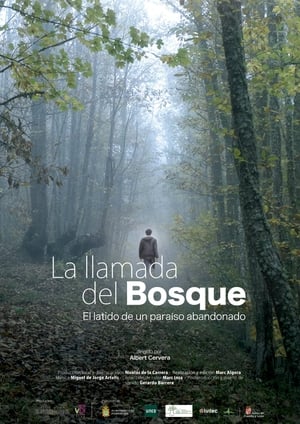
The Call of the Forest
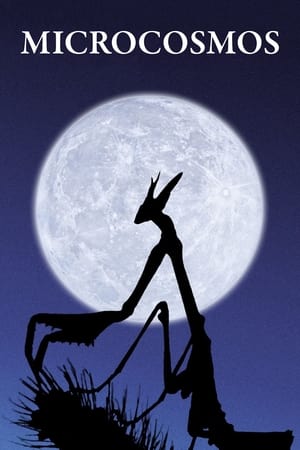
A documentary of insect life in meadows and ponds, using incredible close-ups, slow motion, and time-lapse photography. It includes bees collecting nectar, ladybugs eating mites, snails mating, spiders wrapping their catch, a scarab beetle relentlessly pushing its ball of dung uphill, endless lines of caterpillars, an underwater spider creating an air bubble to live in, and a mosquito hatching.
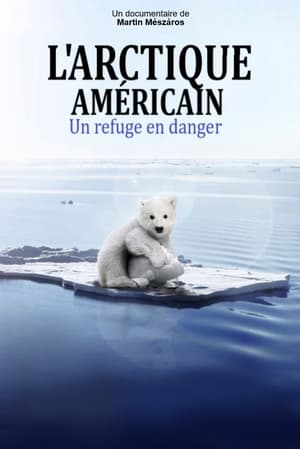
This film shows the splendor, enormous scope and indescribable beauty of this untouched land far to the north of Alaska, one of the last havens for caribou herds and polar bears. Shot over a period of four years, this film offers a unique insight in the lives of the most charismatic arctic animals.
La voie des glaces
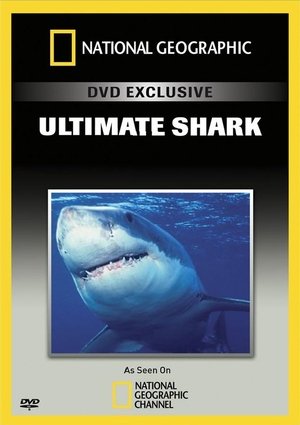
See the world's first MRI scan of a great white shark as Ultimate Shark reveals the extreme engineering and predatory abilities of one of nature's most near perfect predators. Hear firsthand accounts of people who survived harrowing encounters, including a surfer who was bitten on the arm and leg, towed by the surfboard ankle strap and miraculously escaped only with minor injuries. National Geographic demystifies the true motives and power behind their behavior.
Our National Parks takes you on a journey through the four seasons and the many faces of our scenic national parks. Experience an array of lands and waters from Alaska's glacier-clad Denali to the turquoise coves and coral reefs of the Virgin Islands; from the fire of Hawaii Volcanoes to the coolness of Kentucky's Mammoth Cave; from the moonscapes of South Dakota's Badlands to the granite shores of Maine's Acadia. With award-winning filmmaker Wolfgang Bayer you get an in-depth tour of nine of the most popular national parks plus a seasonal overview of many more.
For several decades, geoscientists have been observing that the Earth is changing rapidly due to human intervention. This action has such a great impact on the biological, geological and atmospheric processes of the Earth that some scientists speak of the dawn of a new epoch: the Age of Man or the Anthropocene.
Z ptačího světa
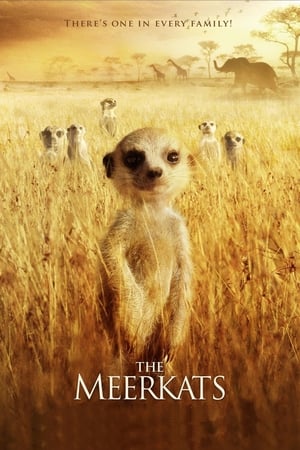
A coming of age story following a young meerkat pup, Kolo, growing up in the Kalahari desert; and an inspiring look at how one family's connection to each other and their surroundings is a model of resilience and fortitude for us all. Shot using ground-breaking techniques, this dramatised documentary is a one-of-a-kind presentation from The Weinstein Company and the BBC, featuring narration by Paul Newman.
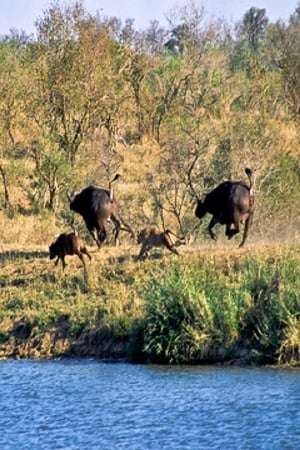
An eight-minute amateur wildlife video that depicts a confrontation between a herd of Cape buffalo, a small group of young lions from a pride, and one crocodile.
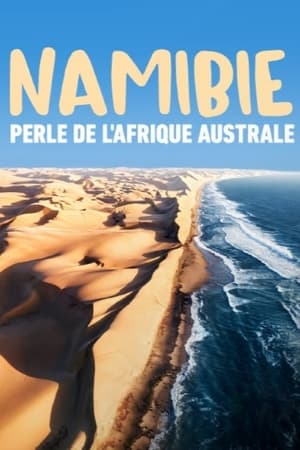
Namibie, perle de l'Afrique australe
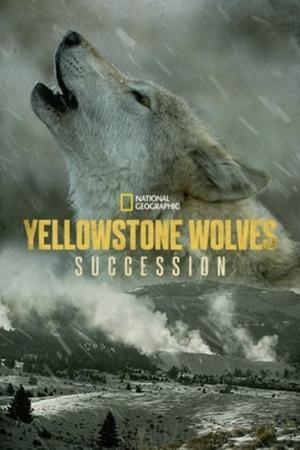
National Geographic presents Yellowstone Wolves: Succession, a captivating special that delves into the powerful and complex world of the Yellowstone wolves. In this episode, viewers will discover both the iconic wolf dynasties that have long been a symbol of the park’s wild landscape, and the newer generations that are beginning to establish their dominance in the region. Through stunning visuals and insightful narration, Yellowstone Wolves: Succession explores the intricate social structure of these packs. From the leadership of older, seasoned wolves to the rise of younger wolves stepping into crucial roles, the show offers a fascinating look at how these families evolve and survive in the rugged Yellowstone environment. The episode also highlights the challenges the wolves face, from environmental factors to competition with other predators, as they work to maintain their legacy in this iconic wilderness.
OCEAN PARADISE unveils the secrets of the Pacific Ocean’s most remote islands and marine national monuments, immersing viewers in the pristine beauty of distant landscapes and reefs that defy the encroachment of civilization. This spellbinding adventure provides audiences with new insights and appreciation for the wonders of nature, and our efforts to preserve these almost-sacred places for future generations.